Mediterranean Coast: Al Hoceima and Eastern Rif
The Moroccan Mediterranean coast between Tetouan and Al Hoceima: cliffs, turquoise coves, fishing villages and the constant feeling of being on the other side of the sea as seen from Andalusia.
Checking the route…
Roadbook
5 points- Start
Tetuan
Jebha
A fishing village on the coastal Rif.
VillageTorres de Alcalá
A 16th-century Spanish fortress.
MonumentAl Hoceima
A spectacular bay with a Spanish heritage.
Village- Finish
Tetuan
Take the route to Google Maps
- Tetuan
- Jebha
- Torres de Alcalá
- Al Hoceima
- Tetuan
We add waypoints from the GPX so Google Maps sticks to the route's roads (they show up as extra stops). To follow the exact track, use the GPX.
Highlights
- 01Al Hoceima National Park
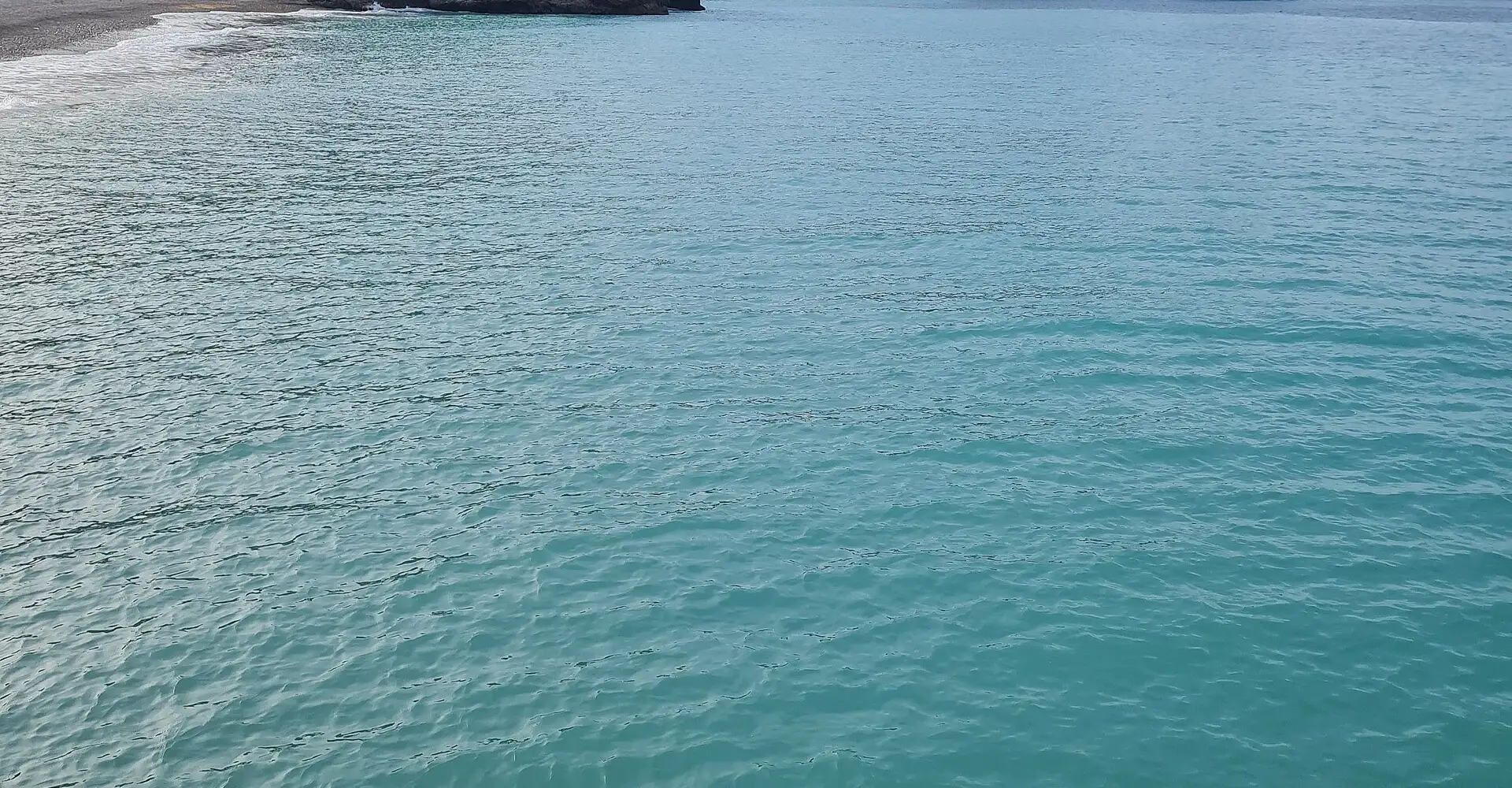
- 02Turquoise coves of the Moroccan Mediterranean
- 03Al Hoceima: the bay and its Spanish heritage
- 04Torres de Alcalá: a 16th-century Spanish fortress
About this route
The Moroccan Mediterranean coast is the other side of the Strait: the coastline that Andalusians see every day as a bluish line on the horizon, and which very few dare to explore. And that’s a shame, because this stretch of coastline between Ceuta and Al Hoceima is home to some of the most beautiful and unspoilt coves in the whole of the Mediterranean, with turquoise waters that rival those of Corsica or Sardinia, reddish cliffs, utterly authentic fishing villages and a coastal road (the N16 and N2) offering over 200 km of constant bends with the sea always in view.
Al Hoceima National Park is the jewel of this coastline: a mountain range that plunges directly into the Mediterranean, forming vertical cliffs, hidden coves accessible only by boat, and an exceptionally rich marine ecosystem (there are colonies of dolphins, sea turtles and the last remaining population of ospreys in the western Mediterranean). The road that runs alongside the park is spectacular but requires careful driving: there are sharp bends, uneven tarmac in some sections, and the constant temptation to stop and take photographs.
Al Hoceima, the main city in the area, was the de facto capital of the Eastern Rif during the Spanish Protectorate, and it still bears traces of that era: a central square with a Spanish church (now deconsecrated), streets with Spanish names, and a spectacular bay where the urban beach of Quemado is one of the most beautiful on the Moroccan Mediterranean coast. Rif cuisine is excellent: fresh fish of the day cooked on the grill, Friday couscous with lamb and vegetables, and freshly baked Moroccan bread (khobz) which is eaten with everything.
The coastal route between Tetouan and Al Hoceima is one of the most beautiful in the whole of the African Mediterranean. The N16 road, rebuilt over the last decade with European funding, boasts high-quality tarmac and a continuous series of technical bends. The coastal villages you pass through — Jebha, Torres de Alcalá, Cala Iris — retain an authenticity that Europe’s tourist coastlines lost decades ago. In Torres de Alcalá, the remains of a 16th-century Spanish fortress still stand on a rocky promontory.
Motorcycling tips: the N16 coastal road is in good condition and a real pleasure to ride. Watch out for fishermen drying their nets on the road and donkeys crossing. Fill up with petrol in Tétouan, Jebha and Al Hoceima. For accommodation, the Mercure Hotel in Al Hoceima has a terrace overlooking the bay. For food, head to the fishing harbour and order grilled sardines: it’s possibly the cheapest and most delicious meal in the whole of the Mediterranean (€2–3 for a generous portion). And a tip: the Ceuta border crossing (Tarajal) can have long queues; Tangier-Med (ferry from Algeciras or Tarifa) is usually quicker.
Practical information
Weather
Temperate Mediterranean climate. Hot in summer. Best in spring and autumn.
Traffic
Light traffic along the coast. Watch out for animals and fishermen.
Fuel stops
Petrol stations in Tetuán, Jebha and Al Hoceima.
Where to stay on this route
The towns this route passes through — useful for splitting it into stages or sleeping near the start. Book ahead in high season.
- JebhaSee places to stay
- Torres de AlcaláSee places to stay
- Al HoceimaSee places to stay
Affiliate links: if you book through them, Nomadiq earns a small commission at no extra cost to you.
Published on