Urdaibai and Gernika Reserve
Best Season
Frequent rain. Best May-September.
The Urdaibai Biosphere Reserve with its unique estuary, Gernika and the Biscayan coast of Bermeo and Mundaka. A mosaic of marshes, beaches and fishing villages.
Highlights
- 1Urdaibai Nature Reserve (UNESCO)
- 2Gernika
- 3San Juan de Gaztelugatxe
- 4Mundaka and Bermeo
About this route
The Urdaibai Biosphere Reserve is one of the most important natural areas along the entire Cantabrian coast and, possibly, the best-preserved wetland in the Basque Country. Designated by UNESCO in 1984 (the first Biosphere Reserve in Spain), it protects an area of 220 km² that includes the Oka estuary, the associated salt marshes, the beaches and coastal cliffs, and the small river valleys in the surrounding area. The biodiversity is exceptional: more than 100 species of birds regularly use the salt marshes as a resting or breeding ground during their migrations; the natural salt pans are home to unique halophilic flora; and the coastal cliffs provide a refuge for some of the few pairs of peregrine falcons still remaining in the northern Basque Country.
Gernika is one of the names in 20th-century Europe most steeped in historical symbolism. Here, on 26 April 1937, during the Spanish Civil War, the German Condor Legion (supporting Franco’s troops) carried out a massive bombing raid on the defenceless town, causing between 200 and 1,700 deaths (figures vary depending on the source). The bombing, carried out on a market day to maximise civilian casualties, was one of the first systematic attacks on a civilian population in the history of military aviation, and is regarded as a dress rehearsal for the techniques of total bombardment that the Luftwaffe would apply shortly afterwards in Poland, the Netherlands and England. Picasso, deeply shocked by the news, painted his famous work ‘Guernica’ within a few weeks – one of the most renowned paintings of the 20th century, which is currently housed at the Reina Sofía Museum in Madrid.
But Gernika is much more than just the site of the tragic bombing. Historically, it has been the most important political centre of the Biscayan part of the Basque Country for centuries: the Casa de Juntas in Gernika is where representatives from the towns of Biscay would meet to legislate and administer the territory, and next to it still stands the famous ‘Tree of Gernika’, a symbolic oak under whose branches the lords of Bizkaia swore to uphold the Fueros (the territory’s own laws) from the Middle Ages onwards. The current tree is the fourth in historical succession (oaks have a limited lifespan and have been replaced by direct descendants of the original), but its symbolism is one of the most powerful in Basque culture.
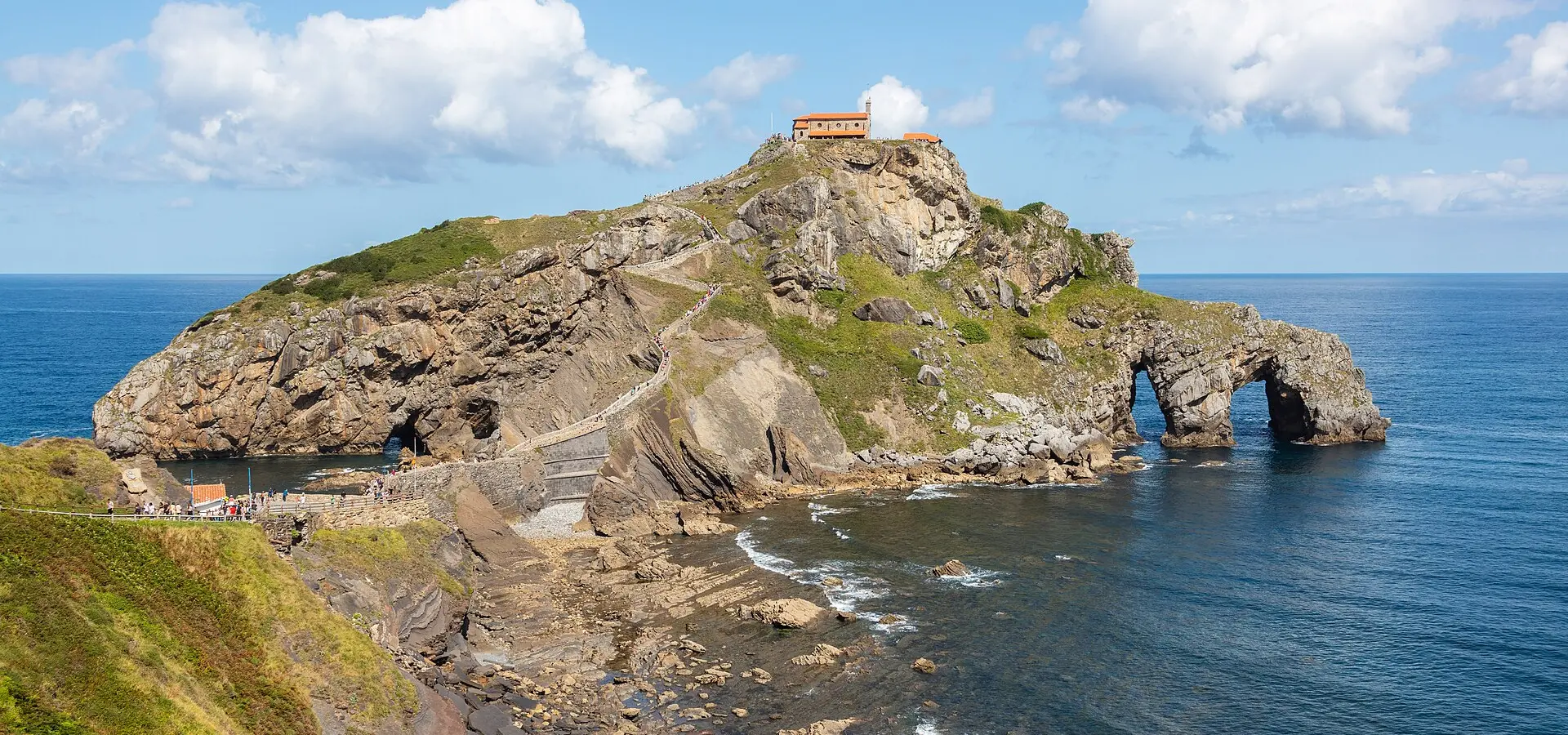
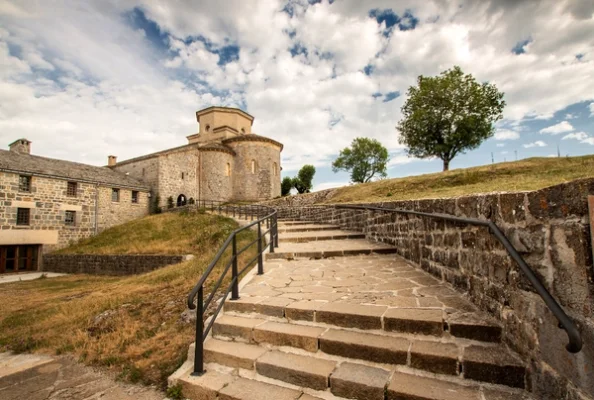
San Juan de Gaztelugatxe, on the north coast near Bermeo, is probably the most photogenic and cinematically spectacular spot on the entire Cantabrian coast. It is a small chapel built in the 10th century on a rocky islet connected to the mainland by a winding stone footbridge with 241 steps. The combination of the sheer islet, the medieval-looking footbridge, the Atlantic waves crashing against the rocks and the small chapel at the summit creates such a surreal image that the producers of *Game of Thrones* used it as the main location for Dragonstone in the series’ seventh season. Since then, Gaztelugatxe has become one of the most visited tourist destinations in the Basque Country, attracting huge crowds throughout the summer. To avoid the crowds, it’s best to visit very early in the morning or outside the peak season.
Motorcycling tip: the route is easy going (130 km, with no major mountain passes) and perfect for a relaxed day out. The best time of year is from May to September, but the weather on the Cantabrian coast is unpredictable and it can rain even in the height of summer. Traffic is moderate in summer. Fill up in Bilbao or Gernika. For lunch, in Gernika, Mesón Boliña serves traditional Basque cuisine using local produce from the valley at reasonable prices. And here’s a tip: visit Gaztelugatxe in the depths of winter (February–March), when the Atlantic waves are at their most violent and crash against the cliffs, creating a dramatic, almost cinematic spectacle. Without the tourist crowds and with the rough sea, the place regains all its medieval symbolism and mystical atmosphere.
Route stops
Gernika
Monument
Historic village with the Casa de Juntas.
Mundaka
Village
European surfing capital.
San Juan de Gaztelugatxe
Monument
Hermitage on a rocky islet.
Practical information
Weather
Frequent rain. Best May-September.
Traffic
Moderate traffic. A lot of tourism in Gaztelugatxe.
Fuel stops
Petrol stations in Gernika and Bermeo.
Where to stay on this route
The towns this route passes through — useful for splitting it into stages or sleeping near the start. Book ahead in high season.
- GernikaSee places to stay
- MundakaSee places to stay
- San Juan de GaztelugatxeSee places to stay
Affiliate links: if you book through them, Nomadiq earns a small commission at no extra cost to you.
Related routes
Urkiola and the mountain passes of Biscay
Basque Country
Oñati, Arantzazu and the Heart of Gipuzkoa
Basque Country
Basque Coast: Zumaia, Getaria and San Sebastian
Basque Country
Sierra de Aralar and border Navarre
Basque Country