Sierra de Alcaraz and Riópar
Best Season
Cold winters with possible snow. Best May-October.
The Sierra de Alcaraz in Albacete offers one of the most surprising corners of the peninsula: the source of the River Mundo, with its 80 m waterfall, and empty roads.
Highlights
- 1Nacimiento del Río Mundo: an 80 m waterfall
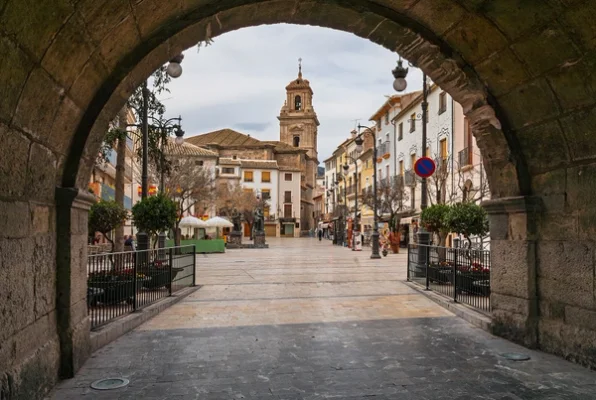
- 2Alcaraz: a Manchegan Renaissance
- 3Riópar and the Calares del Mundo
- 4Letur: a Morisco village
About this route
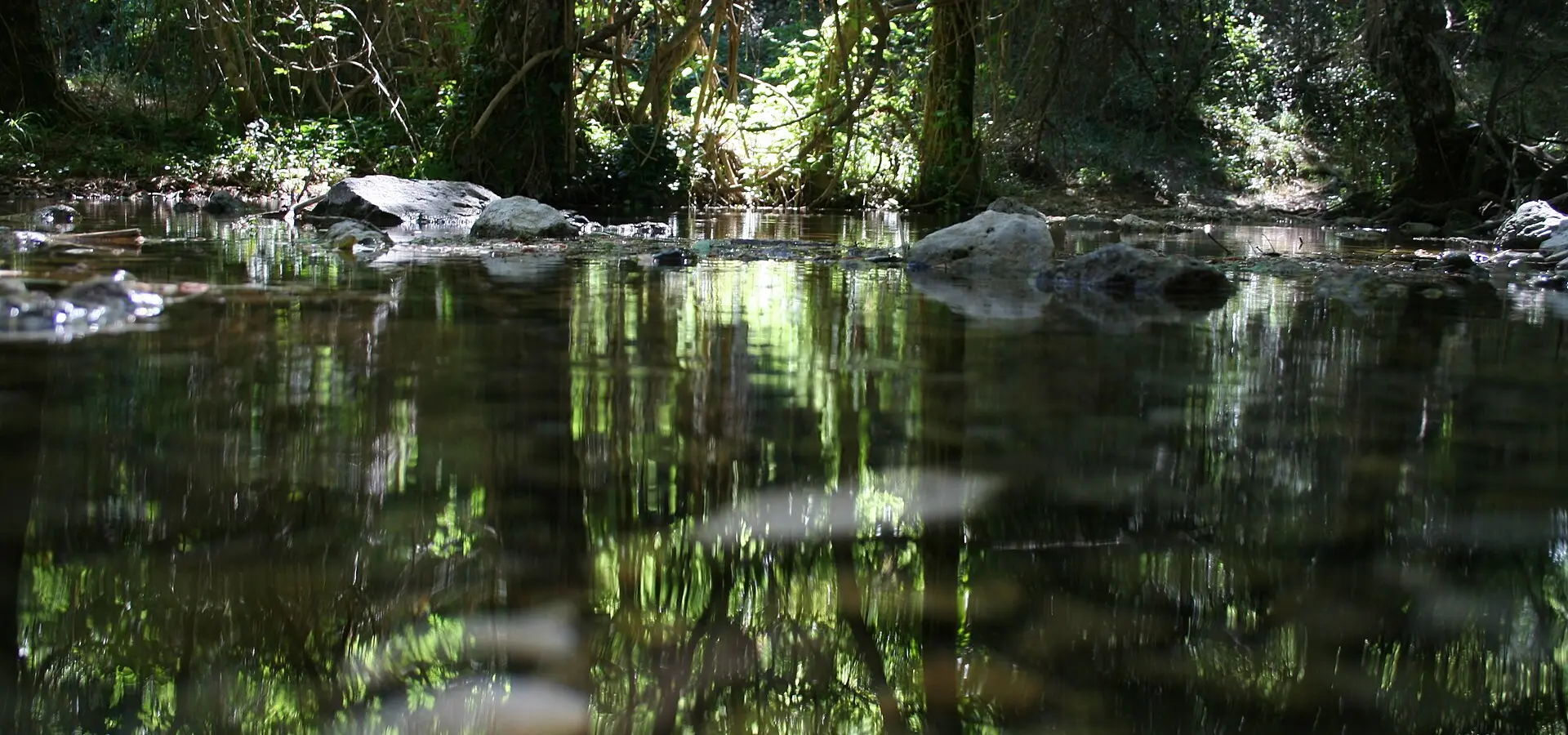
The Nacimiento del Río Mundo, in the Calares de Riópar, is probably the most impressive geological spectacle in all of Castilla-La Mancha and yet remains virtually unknown outside the southeast of the peninsula. Picture a vertical wall of limestone 80 metres high, covered in lush green vegetation, and then suddenly, from the very interior of the mountain, an entire river literally bursts out, forming a waterfall that plunges in two leaps into a turquoise pool at the foot of the cliff. This is what the Nacimiento del Mundo is: one of the few rivers in the world whose source is both visible and dramatic, a hydrogeological phenomenon known as a "surgence", produced when underground waters stored in a complex network of limestone caves find a surface outlet.
The spectacle is never the same twice. The intensity of the flow varies enormously with the rainfall: in dry years it can be a mere trickle, but in wet years —especially in spring, after the winter thaw in the province of Albacete— it can turn into a thundering cataract pouring several thousand litres per second. The most spectacular phenomenon is called the "Reventón del Mundo": every so often (typically every two or three years in spring), after a season of heavy rain, the internal caves collapse and suddenly release water that has been accumulating for months, causing an instant flood of the river basin. When it happens, the people of Riópar celebrate it as a true event.
Riópar, the base village for the area, has a surprising industrial history. In 1773, during the reign of Carlos III, Spain's first bronze and brass factory was founded here, known as the Reales Fábricas de Riópar. The factory used the water of the Río Mundo to power its mills and furnaces, and during the 19th century it became one of the most important metallurgical industries in the country, exporting bronze pieces throughout Europe. The old industrial buildings still stand and have been turned into a National Museum of Metallurgy, a genuinely interesting visit for understanding what the first industrial revolution looked like in a Spain that was still mostly rural.
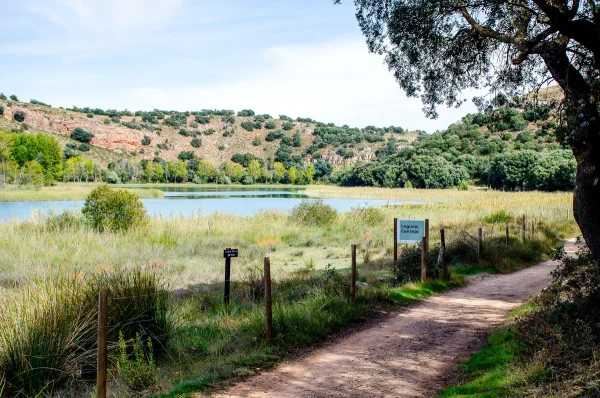
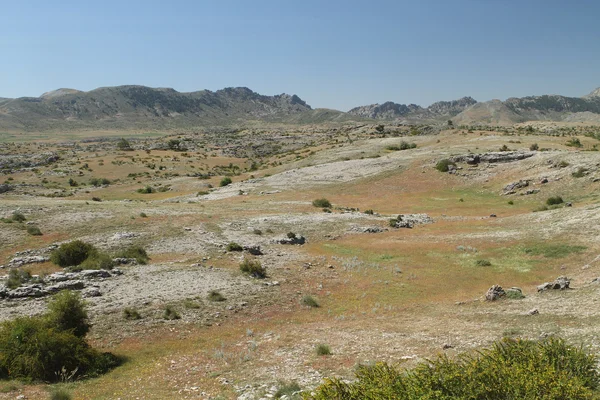
The Sierra de Alcaraz, where all this landscape is set, is one of the most pristine mountain ranges in the south of the peninsula. Covered by centuries-old Laricio pine forests, oak woods and dehesas, it offers almost empty secondary roads that wind through scenery surprising in its lushness: many visitors expect the arid Manchegan plain and instead find a green, mountainous massif that feels more Asturian than Albacetan. The average altitude is over 1,000 m and the climate is noticeably cooler than in the rest of the province.
Letur, another unmissable village on the route, is one of those frontier places where the culture of the south starts to make itself strongly felt. Of Morisco origin —it was one of the last enclaves where the Moriscos remained before the expulsion of 1609—, it preserves an urban fabric and an architecture more Andalusian than Castilian: narrow, steep alleys, whitewashed houses with inner courtyards, Arab fountains still in use and a system of medieval irrigation channels that still waters the vegetable gardens. Strolling through Letur at dusk is an almost Moroccan experience. Riding tips: ideal season from May to October. Fill up in Alcaraz or Liétor. To eat, in Riópar the Mesón Las Cabañas serves trout from the Río Mundo and kid meat from the surrounding sierras.
Route stops
Nacimiento del Río Mundo
Viewpoint
80 m waterfall gushing out of the mountain.
Letur
Village
A town of Moorish origin.
Practical information
Weather
Cold winters with possible snow. Best May-October.
Traffic
Very low traffic. Some tourists on the Rio Mundo.
Fuel stops
Petrol stations in Alcaraz and Riópar.
Where to stay on this route
The towns this route passes through — useful for splitting it into stages or sleeping near the start. Book ahead in high season.
- LeturSee places to stay
- AlcarazSee places to stay
Affiliate links: if you book through them, Nomadiq earns a small commission at no extra cost to you.