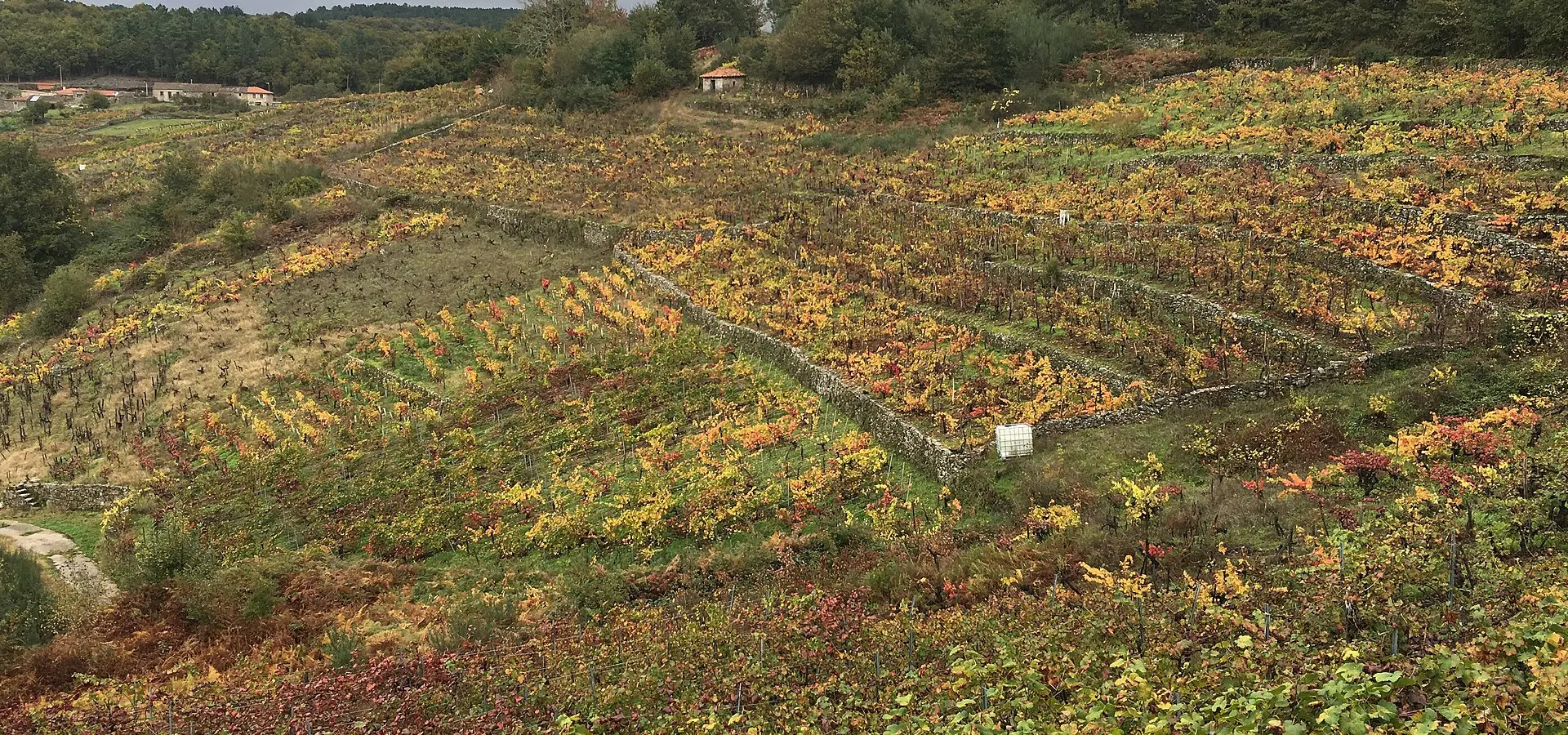
Ribeira Sacra: Sil River Canyons
Best Season
Good route all year round. Spectacular autumn in the vineyards.
The Sil canyons with their cliffside Romanesque monasteries, heroic steep-slope vineyards and winding roads. Ribeira Sacra is Galicia at its most mystical.
Highlights
- 1Cañones del Sil: heroic vineyards on the slopes
- 2San Estevo de Ribas de Sil (Parador)
- 3Madrid’s Balconies: Viewpoints over the Canyon
- 4Castro Caldelas
About this route
The Ribeira Sacra is one of the most magical yet least well-known corners of inland Galicia. Its name — ‘Ribera Sagrada’ — dates back to the 12th–13th centuries and refers to the extraordinary concentration of Romanesque monasteries that were built in the Sil and Miño gorges during the early centuries of medieval Christianity. More than twenty monasteries and hermitages, all built between the 8th and 13th centuries, all perfectly integrated into a breathtaking landscape of river gorges with walls up to 500 metres high, all imbued with a spiritual atmosphere that no other place in Western Europe can match. The density of Romanesque heritage of the highest quality per square metre is probably the greatest on the continent.
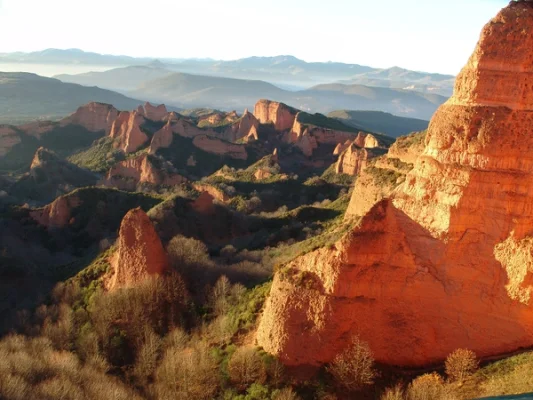
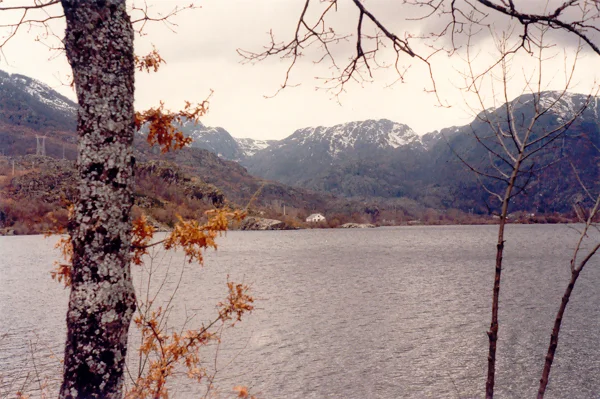
The Sil Canyon, the backbone of the Ribeira Sacra, is one of the most spectacular river canyons in the whole of Spain. Carved out over millions of years by the River Sil as it flows down from the mountains of León towards the Atlantic, it features vertical walls of granite and slate rising up to 500 metres above the riverbed. What is truly extraordinary is what grows on these walls: vineyards. The Romans planted the first vines on these seemingly impossible terraces 2,000 years ago, and since then a form of ‘heroic viticulture’ has continued almost uninterrupted, where the grape harvest is carried out literally whilst suspended from ropes, descending the walls with baskets on one’s back. The resulting wines (D.O. Ribeira Sacra), made primarily from the Mencía grape variety, are among the most distinctive and prestigious in the whole of Galicia.
San Estevo de Ribas de Sil, one of the most important monasteries in the canyon, is a prime example of the Ribeira Sacra. Founded in the 6th century, during the Middle Ages it was one of the wealthiest Benedictine monastic centres in the whole of Galicia, and its church and cloisters retain Romanesque elements from the 12th century of the highest quality. In the 20th century, following the confiscation of church property and a long period of neglect, the monastery was fully restored and transformed into one of the most spectacular Parador hotels in the whole of Spain: sleeping in a room whose walls are the original 12th-century ones, with a Romanesque cloister right next to it, is a unique historical experience. The Parador’s restaurants serve traditional Galician cuisine made with local produce and wines from the Sil region.
The famous “Balcóns de Madrid” (the “Balconies of Madrid”), accessible from Parada de Sil via a forest track some 4 km long, are probably the most spectacular viewpoints in the entire canyon. There is an interesting explanation for the name: during the 19th century, local residents who had migrated to Madrid in search of work would return to their villages in August and climb up to this viewpoint to symbolically ‘wave’ to the capital, looking south and east from the natural balcony overlooking the River Sil. The view from the Balcóns takes in the entire canyon on both sides (the walls are so vertical that they look as if they’ve been photographed with a telephoto lens) and, with a bit of luck, you can see the small tourist boats sailing on the Sil more than 400 metres below, like ants in a valley of giants.
Motorcycling tips: the roads in the Ribeira Sacra are secondary, technical and absolutely picturesque, but you’ll need to ride with patience: the bends are tight and there are sometimes sections with worn tarmac. The best times to visit are spring and autumn (in autumn, the vineyards turn golden and red, creating a spectacle of colour that’s hard to beat). Fill up with petrol in Monforte de Lemos at the start of the route. For lunch, the restaurant at the Parador de San Estevo is exceptional but pricey; for a more down-to-earth option, Mesón A Ponte in Castro Caldelas serves traditional Galician cuisine featuring produce from the River Sil at reasonable prices. And a tip: if you have some extra time, the catamaran that cruises through the Sil Gorge from the Doade jetty is the perfect complementary experience to appreciate the sheer verticality of the landscape.
Route stops
San Estevo de Ribas de Sil
Monument
Romanesque monastery converted into a parador.
Balcóns de Madrid
Viewpoint
Spectacular viewpoints over the Sil canyon.
Castro Caldelas
Village
Village with a medieval castle.
Practical information
Weather
Good route all year round. Spectacular autumn in the vineyards.
Traffic
Low traffic. More tourists in autumn.
Fuel stops
Petrol stations in Monforte de Lemos and Castro Caldelas.
Where to stay on this route
The towns this route passes through — useful for splitting it into stages or sleeping near the start. Book ahead in high season.
- San Estevo de Ribas de SilSee places to stay
- Castro CaldelasSee places to stay
- Monforte de LemosSee places to stay
Affiliate links: if you book through them, Nomadiq earns a small commission at no extra cost to you.