Rías Baixas: O Grove and Cambados
Best Season
Frequent rain. More stable summer.
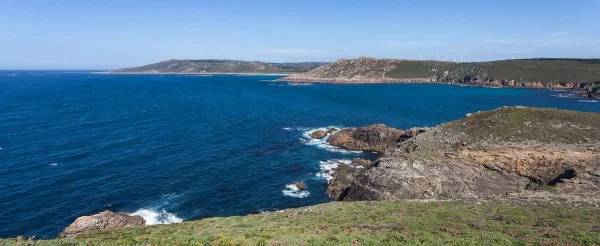
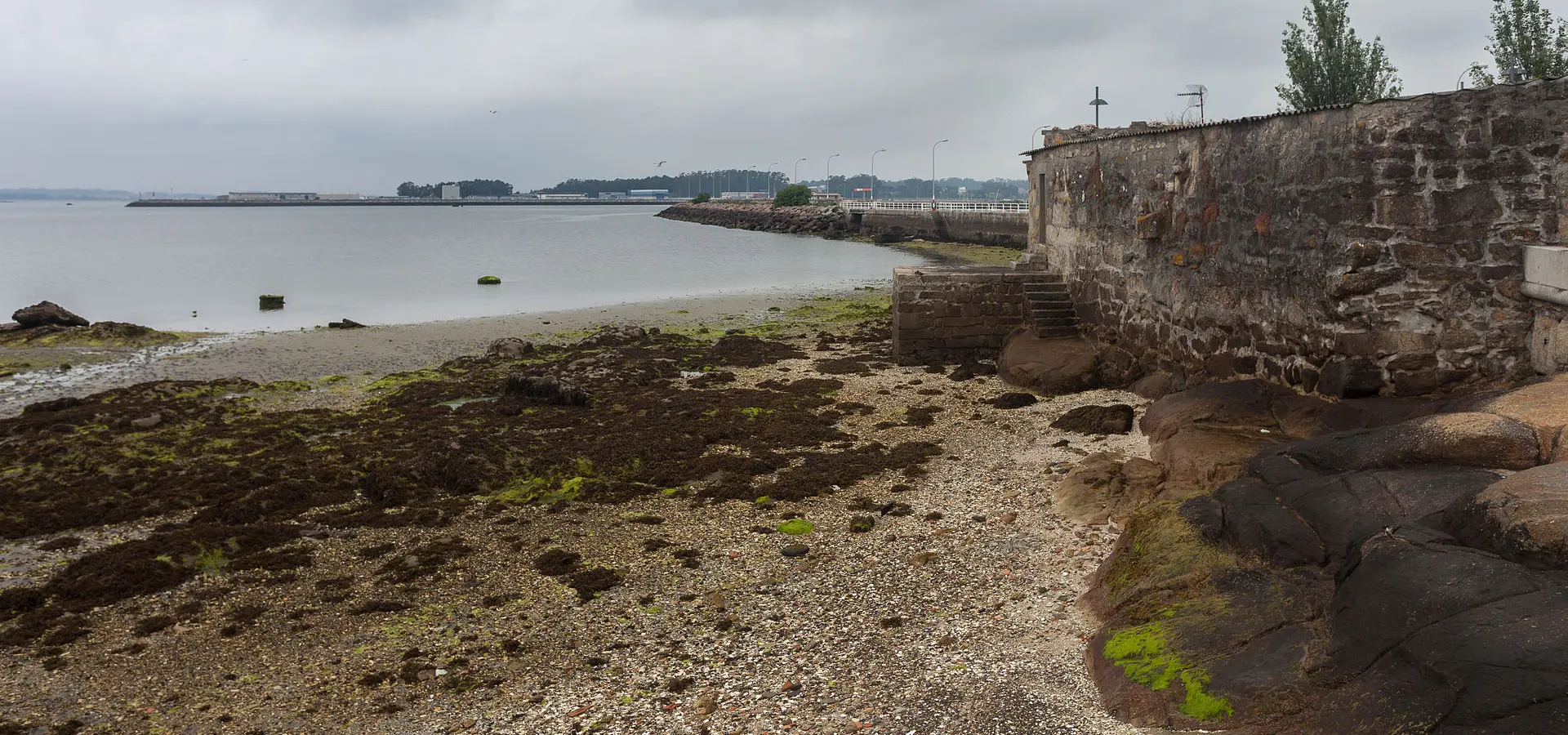
The Rías Baixas, with its seafood, Albariño vineyards and quiet coastal villages. O Grove, A Toxa, Cambados and the island of Ons in the background.
Highlights
- 1O Grove: seafood and views
- 2A Toxa Island
- 3Cambados: the capital of Albariño wine
- 4Fefiñáns Square
About this route
The Galician Rías Baixas are one of the most unique coastal geographical systems in the whole of Western Europe. A ‘ría’ is not exactly a fjord (which is of glacial origin) nor an estuary (which is of purely fluvial origin): it is a river valley flooded by the sea following the last ice age, creating deep, sheltered bays with calm waters, variable salinity and extraordinary biological productivity. The four main Rías Baixas (Vigo, Pontevedra, Arousa and Muros-Noia) account for a surprisingly high proportion of the shellfish consumed throughout Europe: Galician mussels (more than 50 per cent of European production) and a very high percentage of clams, razor clams, scallops, barnacles and spider crabs.
The ‘bateas’ – those floating wooden platforms that can be seen covering the surfaces of the estuaries by the thousands – are one of the area’s most distinctive visual landmarks. Each batea is a square structure measuring approximately 500 m², from which up to 500 polypropylene ropes hang into the water, on which the mussels grow through natural contact with the seawater. Each batea can produce between 50 and 100 tonnes of mussels a year, and the concentration in the estuaries is such that it is estimated that more than 3,000 bateas are in permanent operation. Local shellfish gatherers, organised into centuries-old guilds, have developed a sustainable management system that allows for extremely high productivity without depleting resources.
O Grove is probably the town where Galician seafood culture can best be experienced in its purest form. Every year in October, the famous Festa do Marisco is held here – an event declared a Festival of National Tourist Interest – during which tens of thousands of visitors come specifically to sample the finest seafood platters at affordable prices in the marquees set up in the town centre. The island of A Toxa, connected to O Grove by a 19th-century bridge, is in a league of its own: in the late 19th century, thermal springs with medicinal properties were discovered here, and one of the first elegant spa resorts in the whole of Spain was built, frequented for decades by the European aristocracy. Today it is home to a Historic Grand Hotel (one of the finest in Galicia) and a small chapel entirely covered in scallop shells, an architectural rarity unique in the world.
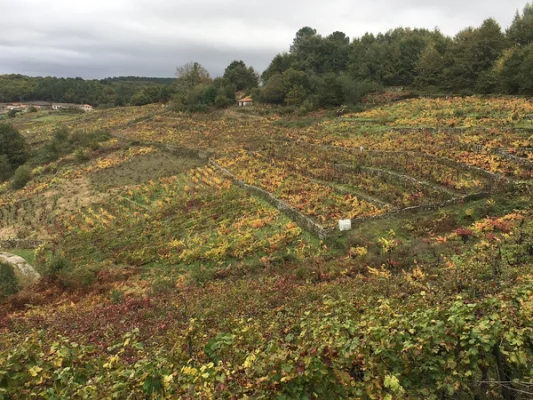
Cambados is the undisputed capital of Albariño, Galicia’s most prestigious white grape variety and one of the best known internationally. The Rías Baixas Designation of Origin (D.O.), established in 1980, has, over the course of forty years, succeeded in making Albariño synonymous with dry white wines of the very highest quality, comparable to the finest from Burgundy or Alsace. The vineyards of Cambados are cultivated using traditional trellising methods on granite pergolas, an age-old technique that protects the grapes from excessive ground moisture and allows the fruit to ripen slowly under the constant influence of the Atlantic. The Praza de Fefiñáns, in the centre of Cambados, is one of the most beautiful urban settings in the whole of Galicia: a vast Renaissance square surrounded by stately palaces, with the parish church in the background and the Pazo de Fefiñáns (still inhabited by the founders’ descendants) taking centre stage.
Motorcycling tips: traffic in the Rías Baixas is moderate in summer and light the rest of the year. The best time to visit is from May to October. Fill up with petrol in Pontevedra. For dining, in Cambados, the Michelin-starred Yayo Daporta restaurant offers contemporary Galician cuisine featuring seafood; for a more down-to-earth option, any tavern in the fishing port of O Grove serves fresh seafood sold by weight at excellent prices (clams marinara-style are a must-try). And a tip: if you’re visiting in September–October, pop into one of the Albariño wineries in Cambados (Bodegas Martin Codax and Pazo de Señoráns are the most popular). A wine tasting at a Galician winery overlooking the estuary is a complete sensory experience.
Route stops
Sanxenxo
Village
Tourist capital of the Rías Baixas.
O Grove
Village
Town of sailors and seafood.
Cambados
Monument
Capital of Albariño wine.
Practical information
Weather
Frequent rain. More stable summer.
Traffic
High traffic in summer. Better on weekdays.
Fuel stops
Petrol stations in Pontevedra, Sanxenxo and O Grove.
Where to stay on this route
The towns this route passes through — useful for splitting it into stages or sleeping near the start. Book ahead in high season.
- SanxenxoSee places to stay
- O GroveSee places to stay
- CambadosSee places to stay
Affiliate links: if you book through them, Nomadiq earns a small commission at no extra cost to you.