Las Médulas and El Bierzo
Best Season
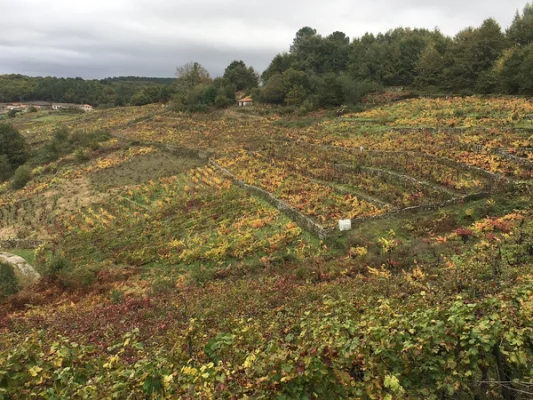
Good route all year round. Spectacular autumn in the vineyards.
Las Médulas, an ancient Roman gold mine declared a UNESCO World Heritage Site, and a tour of El Bierzo: vineyards, Templar villages and very enjoyable roads.
Highlights
- 1Las Médulas (UNESCO): Roman mining landscape
- 2Templar castle of Ponferrada
- 3Villafranca del Bierzo and the Camino de Santiago
- 4Vineyards of El Bierzo
About this route
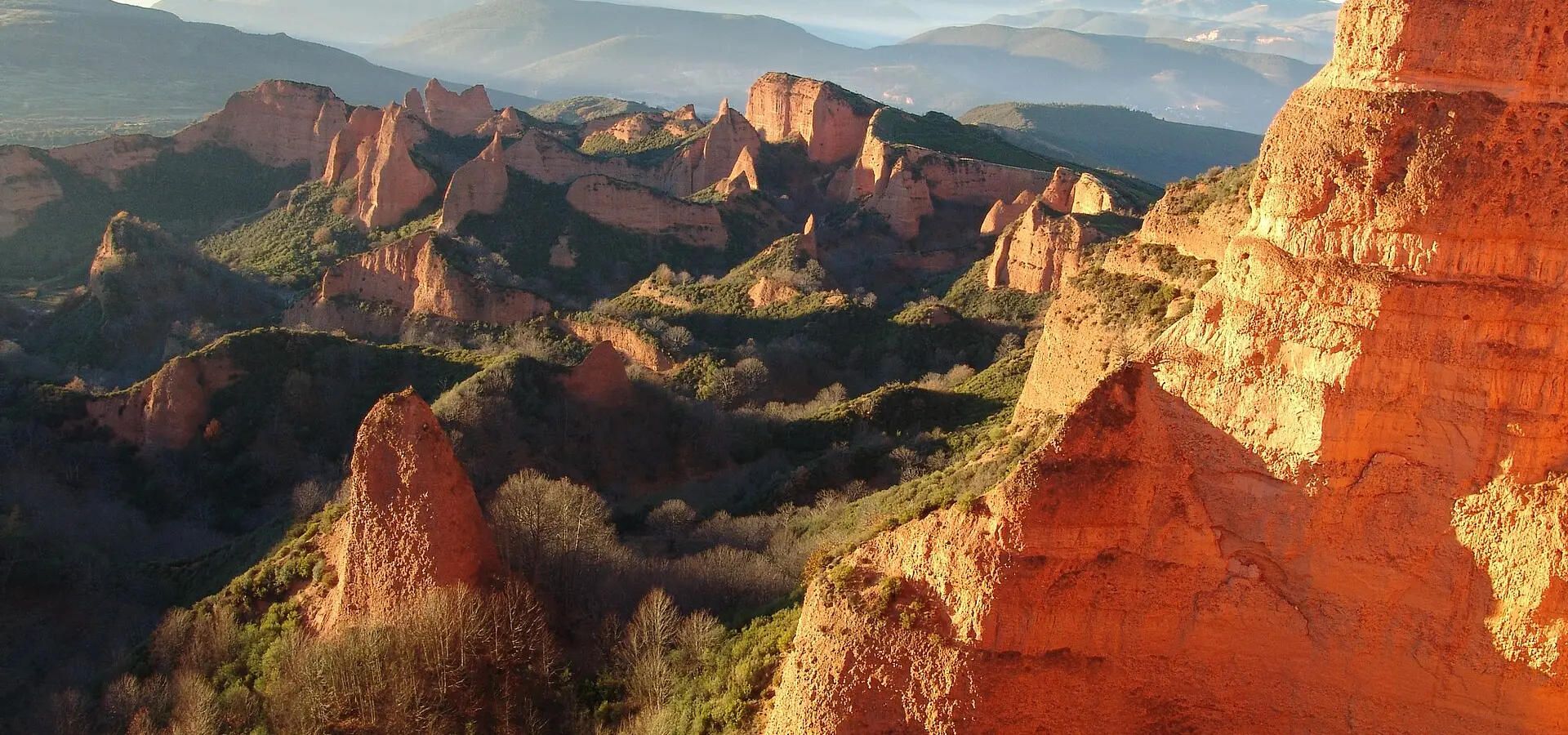
Las Médulas are one of the most extraordinary — and at the same time most artificial — landscapes in the northern peninsula. What today looks like a natural geological wonder, those reddish pinnacles of clay and earth rising from a green forest of chestnut trees, is in fact the result of the greatest landscape transformation brought about by human hands in all of European Antiquity. Over 250 years (1st–3rd centuries AD), the Romans extracted more than five million kilograms of gold from this site using a brutal and revolutionary technique called "ruina montium" — the demolition of mountains. The method involved boring tunnels into the mountainside, suddenly flooding them with pressurised water, and literally collapsing the entire mountain, then washing the rubble to separate the gold.
Pliny the Elder, in his "Naturalis Historia" of 77 AD, described the process in detail and called it "Hispania spectaculum" — the spectacle of Hispania — noting that the purest and most abundant gold in the entire empire was extracted here. At peak production, the mines are thought to have employed more than 60,000 free workers and slaves, organised through an elaborate logistics network of channels — some stretching up to 150 km — that carried water from the heights of El Bierzo down to the mountains. The remains of those channels are still visible today and have been catalogued as one of the most impressive Roman hydraulic systems in the world.
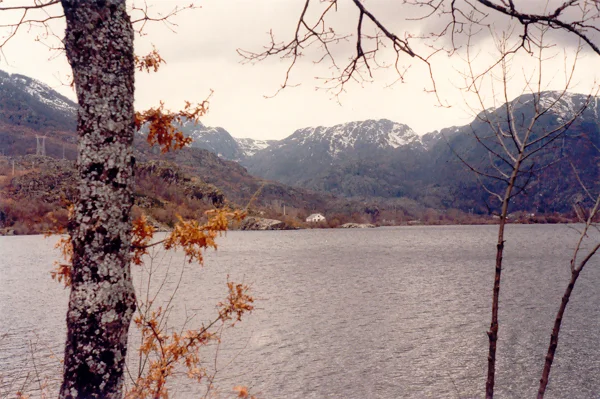
The resulting landscape, declared a UNESCO World Heritage Site in 1997, is absolutely unique in Europe: a combination of red pinnacles up to 100 m tall, lagoons (some created by the mining operations themselves), centuries-old chestnut forests growing on the ancient spoil heaps, and footpaths that wind through the old galleries and channels. Visiting by motorbike means leaving your machine in the car park at the Mirador de Orellán and walking about 500 m up to the main viewpoint. The panorama that opens up from there, with the entire mining complex at your feet, is hard to match.
El Bierzo, the León county where Las Médulas sit, is also one of the fastest-growing wine regions in all of Spain. The local grape is mencía, an indigenous red variety that for decades was largely dismissed and that over the past twenty years has been championed by visionary winemakers such as Raúl Pérez. Today, Bierzo wines (D.O. Bierzo) rank among the most internationally acclaimed, with estates like Descendientes de J. Palacios and Pittacum producing reds comparable to the finest Burgundy Pinot Noirs. The road between Cacabelos and Villafranca runs through kilometres of hillside vineyards and is a joy to ride.
Villafranca del Bierzo, at the end of the route, is a monumental surprise. It was one of the great stops on the French Way of the Camino de Santiago, and its medieval old town is packed with Romanesque and Gothic churches, Renaissance palaces, cobbled streets, and a remarkable Jacobean detail: pilgrims who were ill and made it this far but could go no further were granted the "Puerta del Perdón" at the church of Santiago — a spiritual equivalent of having reached Santiago de Compostela. It is a beautiful piece of history that very few modern pilgrims know about. Practical tips: the ideal season runs from April to October. For dining in Villafranca, the Parador Nacional de Villafranca del Bierzo, housed in a Baroque palace, offers a tasting menu featuring Bierzo produce at reasonable prices.
Route stops
Las Médulas
Monument
Ancient Roman mine, a UNESCO World Heritage Site.
Villafranca del Bierzo
Village
Village on the Camino de Santiago.
Practical information
Weather
Good route all year round. Spectacular autumn in the vineyards.
Traffic
Low traffic. Some tourism in Las Médulas.
Fuel stops
Petrol stations in Ponferrada, Cacabelos and Villafranca.
Where to stay on this route
The towns this route passes through — useful for splitting it into stages or sleeping near the start. Book ahead in high season.
- Las MédulasSee places to stay
- Villafranca del BierzoSee places to stay
- PonferradaSee places to stay
Affiliate links: if you book through them, Nomadiq earns a small commission at no extra cost to you.