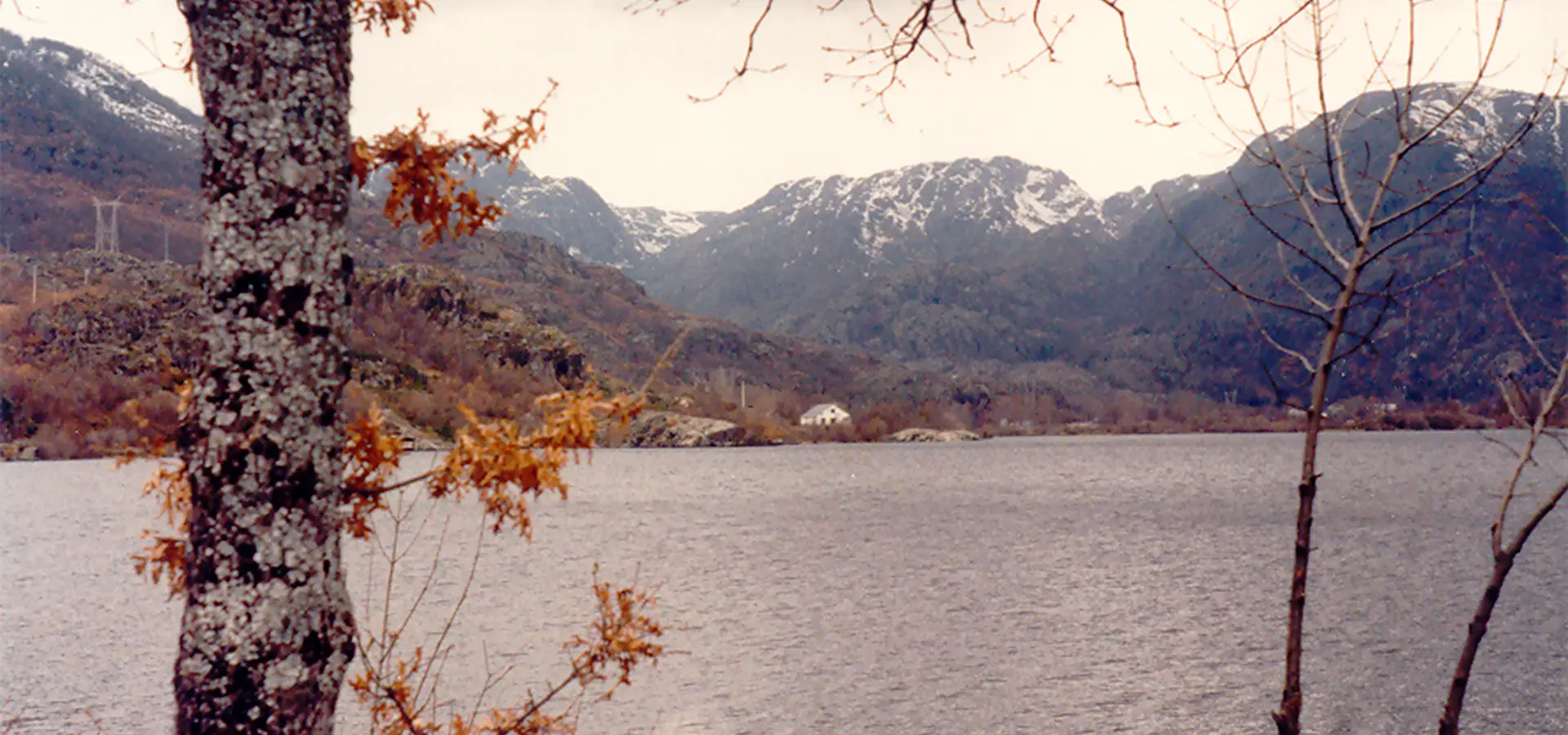
Lake Sanabria and Sierra de la Culebra
Best Season
Harsh winters with snow. Pleasant summers. Best from May to October.
The largest glacial lake in the peninsula and the Zamora mountains, one of the most unpopulated areas in Europe where herds of Iberian wolves still live.
Highlights
- 1Lake Sanabria: the largest glacial lake on the peninsula
- 2Puebla de Sanabria: one of Spain's most beautiful villages
- 3Sierra de la Culebra: wolf territory
- 4Empty roads through the deepest reaches of Zamora
About this route
Lake Sanabria is the largest natural glacial lake on the entire Iberian Peninsula, spanning 369 hectares with a maximum depth of 51 metres. It formed roughly 100,000 years ago when the ice sheets of the last glaciation carved a deep hollow into the mountains of Zamora and left behind, as they retreated, a system of glacial cirque lakes. The surrounding landscape is surprisingly alpine for Castilla y León: dense forests of oak and birch, rounded summits above 2,000 m, and a weather pattern closer to northern Galicia than to the Castilian plateau. The reason is simple — we are barely 30 km from the Galician border, and the Atlantic influence reaches here in full force.
Puebla de Sanabria, the county seat, is one of those towns where time seems to have stopped. Its historic centre, declared a Historic-Artistic Site in 1994, has remained virtually intact since the 16th century: cobbled alleyways, stone houses with wooden balconies, a 12th-century Romanesque church, and crowning the whole ensemble, the imposing 15th-century Castillo de los Condes de Benavente with its defensive walls and a courtyard still used for events. The town is on the official list of "Los Pueblos más Bonitos de España" (Spain's Most Beautiful Villages) and, unlike others on the list, has not yet been overwhelmed by mass tourism. In winter there are days when you will barely see five people in its streets.
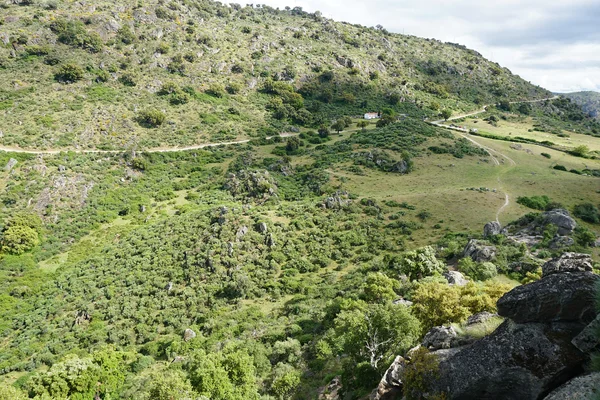
But what makes this corner of Zamora truly unique is the Sierra de la Culebra, the last sanctuary of the Iberian wolf on the peninsula. It is home to the largest stable wolf population in all of Western Europe: an estimated 250 to 300 individuals organised into about twenty packs roam these lonely moorlands, competing with roe deer, wild boar and red deer for territory. Spotting them in the wild is difficult but possible — local outfitters run "wolf safaris" at dawn and dusk from designated observation points, and the odds of sighting at least one animal are reasonably high. It is one of the few genuinely wild wildlife experiences still available in Spain.
The population density of the Sierra de la Culebra is simply staggering: barely 2 inhabitants per square kilometre, making it one of the least populated areas in all of Western Europe. For the motorcyclist, this means roads that are virtually empty for hours, tiny abandoned villages where medieval houses crumble in silence, and a sense of solitude that feels almost American. The county roads crossing the sierra — the ZA-918 between Ferreras and Tábara, for instance — are perfect for a relaxed ride with no traffic, through landscapes of moorland and centuries-old oak groves.
Practical tips for riders: in winter the area can be bitterly cold and the modest mountain passes sometimes see ice or snow. The ideal season runs from May to October. Fill up in Puebla de Sanabria or in Mombuey (at the edge of the area) because petrol stations are scarce inside the Sierra de la Culebra. For dining, Restaurante Real in Puebla is probably the best bet — traditional Sanabrian cuisine with local produce (lamb, beef, wild mushrooms, forest berries). And if the wolves interest you, contact Ruta del Lobo or the Centro del Lobo Ibérico in Robledo de Sanabria, which organise specialist sighting outings led by local guides who track the movements of the packs.
Route stops
Lago de Sanabria
Viewpoint
The largest glacial lake on the peninsula.
Mombuey
Village
Village with Romanesque tower.
Practical information
Weather
Harsh winters with snow. Pleasant summers. Best from May to October.
Traffic
Very low traffic. One of the emptiest areas in Spain.
Fuel stops
Petrol stations in Puebla de Sanabria and Mombuey.
Where to stay on this route
The towns this route passes through — useful for splitting it into stages or sleeping near the start. Book ahead in high season.
- MombueySee places to stay
- Puebla de SanabriaSee places to stay
Affiliate links: if you book through them, Nomadiq earns a small commission at no extra cost to you.