O Courel and Lugo mountains
Best Season
Hard winters with snow. Spectacular autumn in the forests.
O Courel is Galicia's best kept secret: high mountains, centuries-old devesas, lost villages such as Froxán and technical roads that do not appear in the guidebooks.
Highlights
- 1Devesa da Rogueira: a centuries-old forest
- 2Folgoso do Courel Castle
- 3The villages of Froxán and Seoane
- 4Scenic, isolated roads
About this route
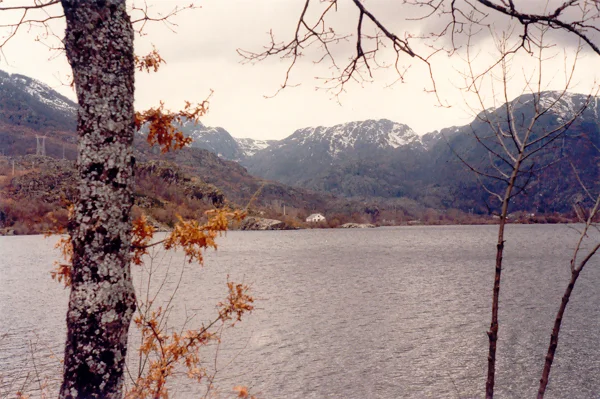
The O Courel mountain range is probably the most unspoilt, most secluded and, at the same time, most biodiverse corner of the whole of Galicia. It is a mountain range in the south-east of Lugo (between Lugo, León and Ourense) which, thanks to its extreme isolation, has preserved ecosystems that have disappeared from virtually all of Western Europe: centuries-old mixed forests of oak, chestnut, birch and beech, absolutely pristine rivers and streams, an exceptional density of wildlife (wolves, wild boars, roe deer, red deer, Cantabrian capercaillies, otters) and a ridiculously low human population density (fewer than 4 inhabitants per km², comparable to Lapland). For motorcyclists who love wild places, O Courel is probably the most remote destination to be found in Galicia.
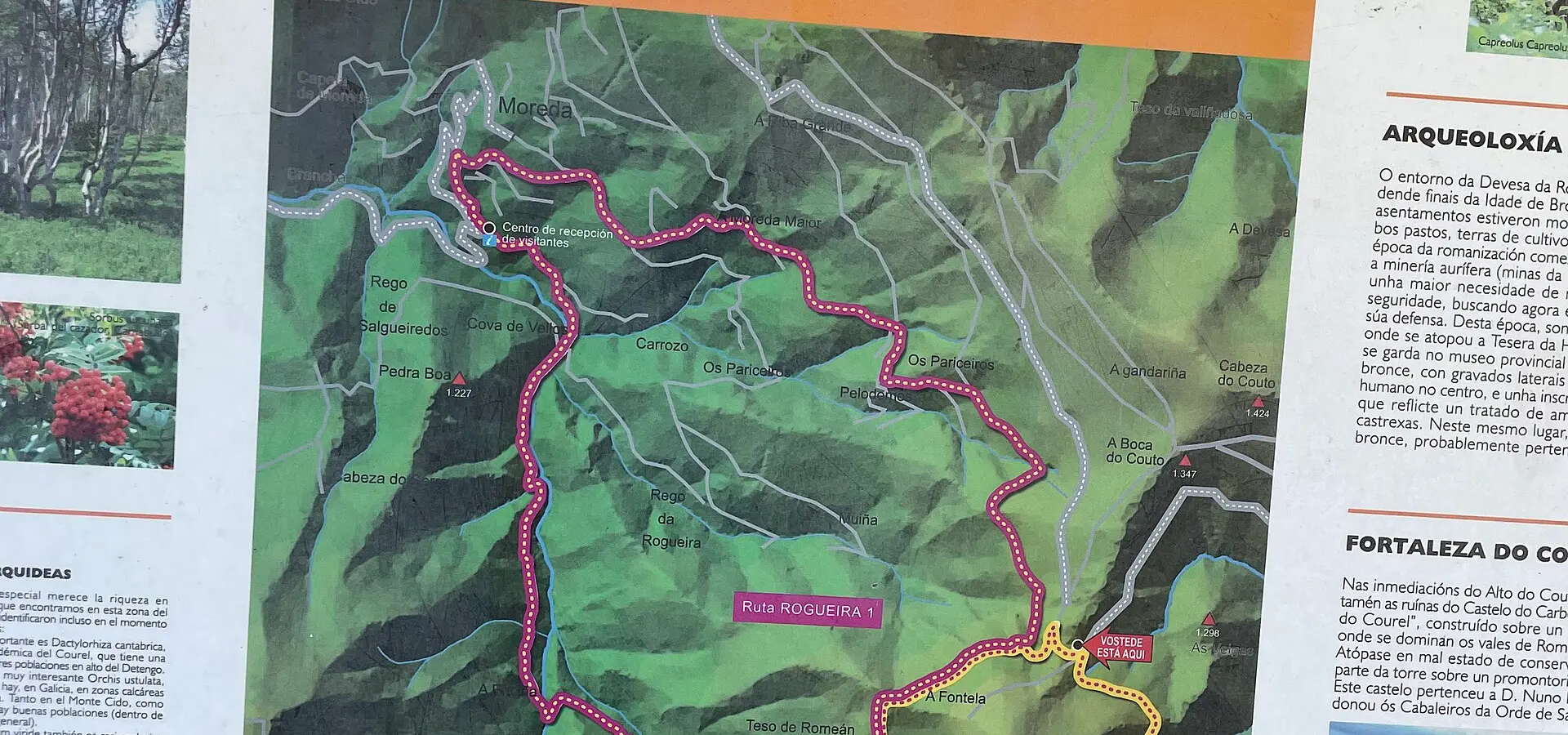
La Devesa da Rogueira, the most famous forest in the Courel, is probably the most beautiful and best-preserved native forest in the whole of the Iberian Peninsula north of the Central System. It is a centuries-old mixed forest where specimens of sessile oak (Quercus petraea) over 500 years old, monumental 15th-century chestnut trees whose hollow trunks can accommodate several people, centuries-old beech trees (in a location south of the beech’s biogeographical range on the peninsula), lime trees, birches and holly trees. The density and variety of the tree species are such that UNESCO designated the forest a Biosphere Reserve in 2006, within the broader framework of the ‘Reserva da Biosfera dos Ancares Lucenses e Montes de Navia’. A visit to La Devesa involves a 2–3-hour walk along signposted trails, but it is absolutely well worth it.
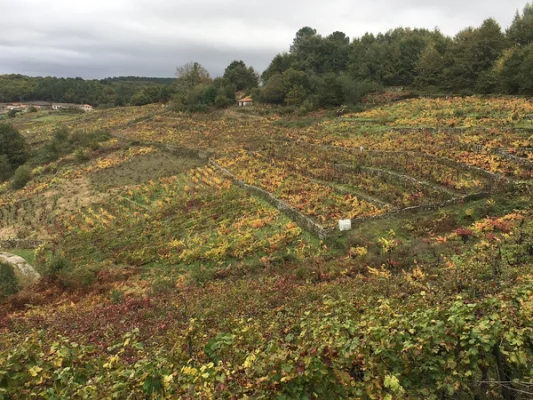
Folgoso do Courel, the symbolic capital of the mountain range, is a tiny village (barely 800 inhabitants across the entire region, with many hamlets having fewer than 10 winter residents) but one with a remarkable historical heritage. It boasts a 14th-century medieval castle perched atop a crag, several hamlets designated as Sites of Cultural Interest due to their intact traditional architecture (Froxán is probably the most photogenic), and an ancient system of terraced farming that has remained virtually unchanged since the Middle Ages. The agricultural landscape of Courel — with its stone terraces worked for centuries by the locals to grow rye, potatoes and apple trees — is one of the most moving cultural landscapes in the whole of Galicia.
A unique ecological feature of the Courel: this is where the highest concentration of ‘soutos’ (cultivated chestnut groves) in the whole of Galicia is found. Chestnut cultivation in the mountains dates back to Roman times, when legionaries introduced grafted varieties that improved upon the native chestnut tree, and for 2,000 years the soutos have been the economic and food mainstay of the local inhabitants: the chestnut was literally the ‘bread of the poor’, consumed in a thousand different ways (roasted, in stews, in broth, as flour). Some chestnut trees in the Courel are over 800 years old and are veritable living monuments, with hollow trunks large enough to accommodate several people and branches stretching 20 metres in all directions. Visiting them in autumn, when the leaves turn golden and pigs graze at their feet, eating chestnuts, is an almost mythical experience.
Motorcycling tips: O Courel is physically and mentally demanding for motorcyclists. The roads are narrow, technical, in poor condition in places, and pass through areas where there is absolutely no traffic for hours on end. The best time to visit is from May to October; in winter, there are frequent snowfalls and frosts. Fill up as much as possible in Quiroga before heading up: within the mountains, there is only one working petrol station, in Folgoso. For food, in Folgoso or Seoane do Courel there are small rural inns serving traditional cuisine made with local produce (kid, rabbit, mushrooms, chestnuts). And one essential tip: if you’re visiting in October, don’t miss the ‘magosto’, the traditional Galician chestnut festival, when all the villages in the Courel roast chestnuts over open-air bonfires and celebrate the end of the agricultural year with red wine from El Bierzo. It’s one of the most authentic cultural experiences you can have in Galicia.
Route stops
Folgoso do Courel
Village
Capital of the sierra with castle.
Seoane do Courel
Village
Village in the heart of the sierra.
Practical information
Weather
Hard winters with snow. Spectacular autumn in the forests.
Traffic
Zero traffic. One of the emptiest areas in Galicia.
Fuel stops
Refuelling in Quiroga. No services within the sierra.
Where to stay on this route
The towns this route passes through — useful for splitting it into stages or sleeping near the start. Book ahead in high season.
- Folgoso do CourelSee places to stay
- Seoane do CourelSee places to stay
- QuirogaSee places to stay
Affiliate links: if you book through them, Nomadiq earns a small commission at no extra cost to you.