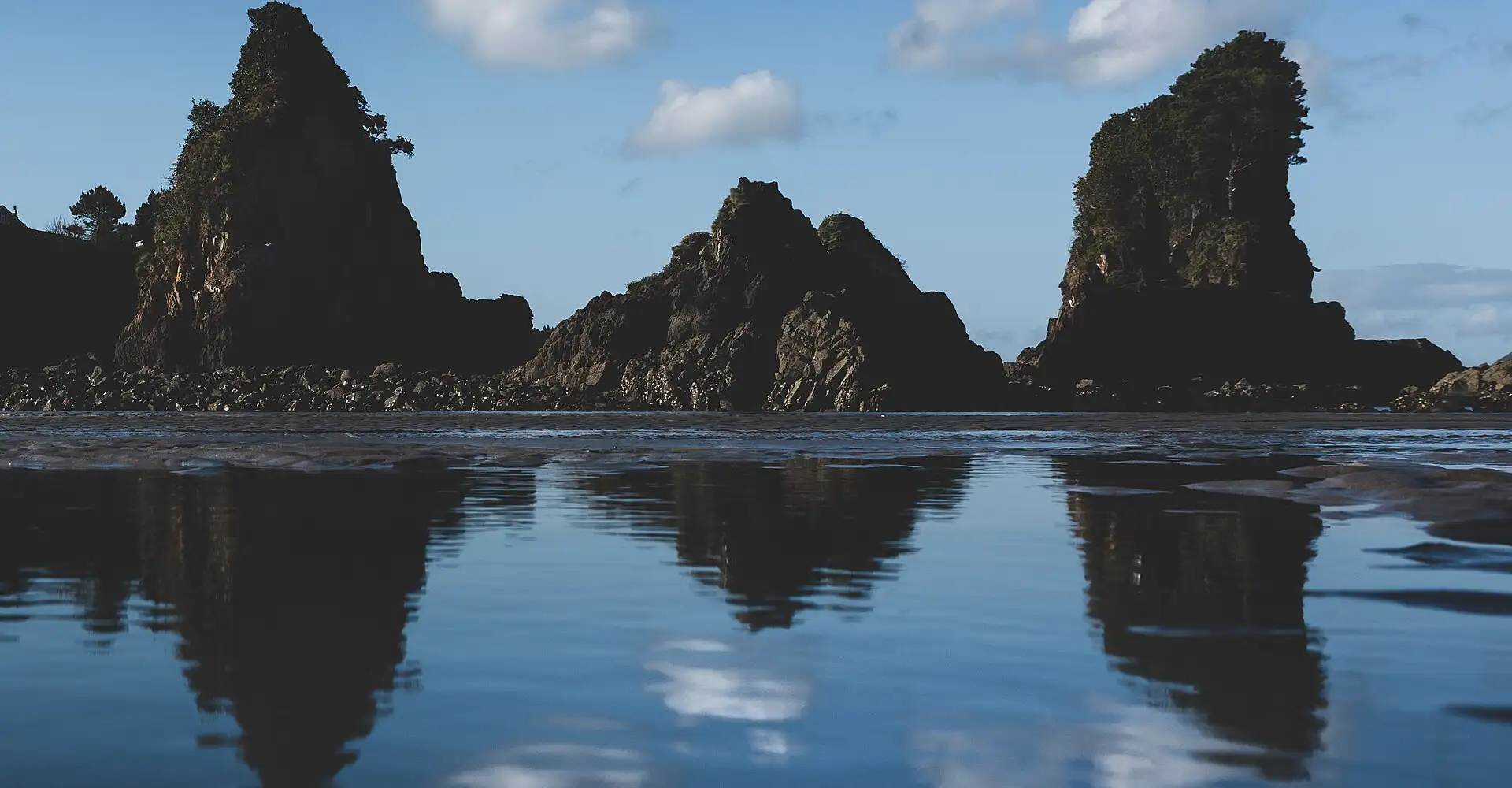
Rías Altas: Viveiro, Mondoñedo and Galicia's North Coast
The Rías Altas of Lugo: Viveiro, with its spectacular estuary; Mondoñedo (cathedral and ‘Os Muiños’); and the wildest and least-visited stretch of the Galician north coast. Cliffs, Atlantic beaches and first-class cuisine.
Checking the route…
Roadbook
4 points- km 0Start
Viveiro
4 m - km 58.4
Mondoñedo
166 mFormer capital of the Kingdom of Galicia, cathedral with Gothic rose window.
Monument - km 123
O Barqueiro
58 mPostcard fishing village with houses above the estuary.
Village - km 139.9Finish
Viveiro
5 m
Take the route to Google Maps
- Viveiro
- Mondoñedo
- O Barqueiro
- Viveiro
We add waypoints from the GPX so Google Maps sticks to the route's roads (they show up as extra stops). To follow the exact track, use the GPX.
Profile
0 → 485 mRoadbook distances and heights come from the route GPX.
Highlights
- 01Viveiro: medieval walls and a spectacular ría
- 02Mondoñedo: cathedral of the old Kingdom of Galicia
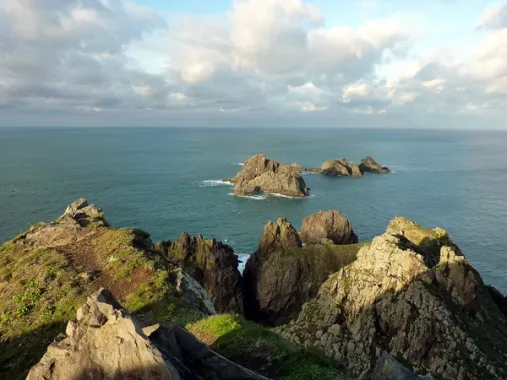
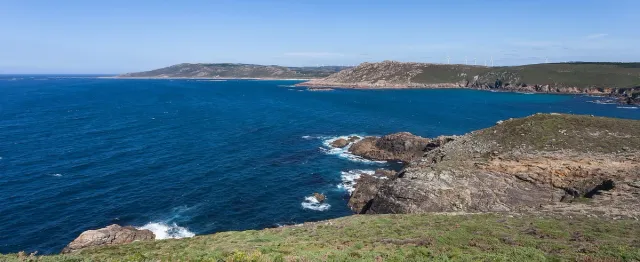
- 03Wild Atlantic coast: cliffs and untouched beaches
- 04Galician seafood: percebes, velvet crab and spider crab
About this route
The Rías Altas of Lugo province are the wildest and least known stretch of Atlantic coast in all of Galicia. While the Rías Baixas (Vigo, Pontevedra) concentrate the tourism and the Rías Medias (A Coruña, Ferrol) are more built up, the Lugo Rías Altas — Ribadeo, Foz, Viveiro, O Barqueiro — retain an authenticity and beauty recalling the Galicia of decades ago. The cliffs are higher, the beaches rougher, the villages smaller, and the sense of standing in a forgotten corner of the Atlantic far more intense.
Viveiro is the capital of the Lugo Mariña and one of the most charming towns on the whole Galician coast. Its old quarter, ringed by medieval walls with three original gates — the Porta de Carlos V being the most monumental — keeps cobbled streets, crested mansions and the Romanesque church of Santa María del Campo. The ría of Viveiro is among the loveliest in Galicia, with calm water, fine-sand beaches and subtropical vegetation that includes giant eucalyptus and century-old camellias.
Mondoñedo, situated inland just 30 km from the coast, was the capital of the ancient Kingdom of Galicia and boasts a wealth of historic monuments disproportionate to its size: the cathedral (one of the five cathedrals in Galicia, featuring a 14th-century Gothic rose window and medieval frescoes), the Seminary (a monumental Neoclassical building), and the Fonte Vella (a medieval fountain bearing the royal coat of arms). The “Muiños de Mondoñedo” (mills) and the annual medieval fair round off a visit that reveals a more authentic, less touristy side of Galicia.
The coast road between Viveiro and O Barqueiro (LU-862) is one of the finest on the Galician seaboard: it winds between cliffs, hidden coves, beaches reachable only on foot, and small fishing villages where gamelas — traditional wooden boats — rock in the harbours. O Barqueiro, at the end of the route, is a picture-postcard fishing hamlet with houses stepped above the ría and an atmosphere that has not substantially changed in decades.
Practical notes: the Galician coast sees frequent rain, even in summer, though less than inland. Wet-weather gear is essential. The coast roads are good but relentlessly curving. Fuel in Viveiro, Mondoñedo and Foz. For food, Galician seafood is the best in the world: percebes, velvet crabs, spider crabs, clams a la marinera. In Viveiro, Restaurante Nito is a benchmark. To drink, an Albariño or a Godello from the Ribeira Sacra.
Practical information
Weather
Atlantic: frequent rain all year. Cool summers. Rain gear mandatory.
Traffic
Low traffic. Slightly more in summer at beaches.
Fuel stops
Petrol stations in Viveiro, Mondoñedo and Foz.
Where to stay on this route
The towns this route passes through — useful for splitting it into stages or sleeping near the start. Book ahead in high season.
- ViveiroSee places to stay
- MondoñedoSee places to stay
- O BarqueiroSee places to stay
Affiliate links: if you book through them, Nomadiq earns a small commission at no extra cost to you.
Published on