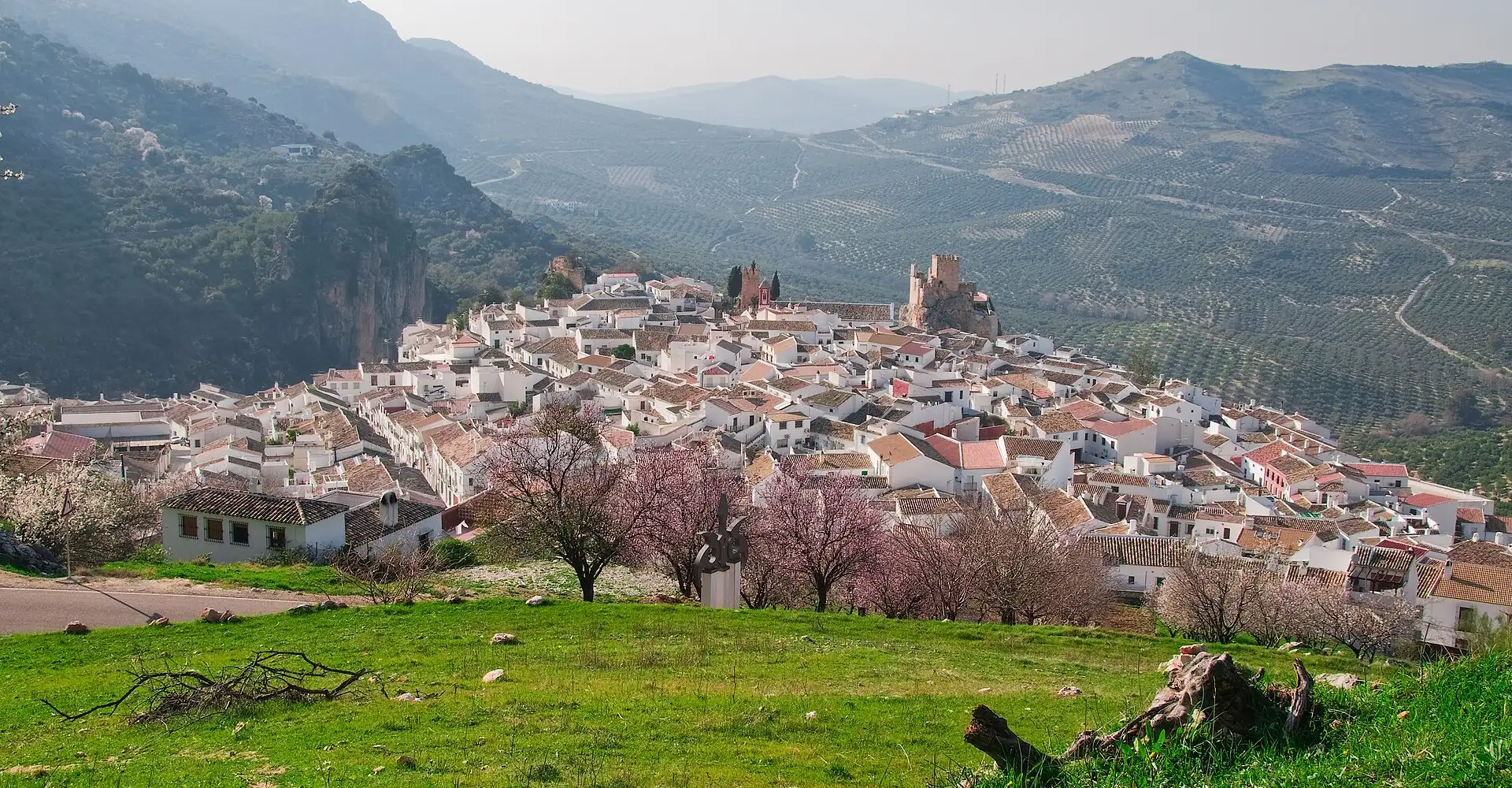
Córdoba's Subbética: Zuheros and Priego
The Sierras Subbéticas Natural Park is home to white villages perched on the hillsides, such as Zuheros, Baroque gems such as Priego de Córdoba, and challenging roads winding through olive groves.
Checking the route…
Roadbook
5 points- km 0Start
Priego de Córdoba
640 m - km 31.1
Zuheros
603 mA white village perched on a cliff.
Village - km 39.3
Luque
664 mA village with a castle in the Subbética region.
Village - km 61.5
Carcabuey
644 mA village at the heart of the nature reserve.
Village - km 73.5Finish
Priego de Córdoba
640 m
Take the route to Google Maps
- Priego de Córdoba
- Zuheros
- Luque
- Carcabuey
- Priego de Córdoba
We add waypoints from the GPX so Google Maps sticks to the route's roads (they show up as extra stops). To follow the exact track, use the GPX.
Profile
394 → 689 mRoadbook distances and heights come from the route GPX.
Highlights
- 01Priego de Córdoba: Andalusian Baroque
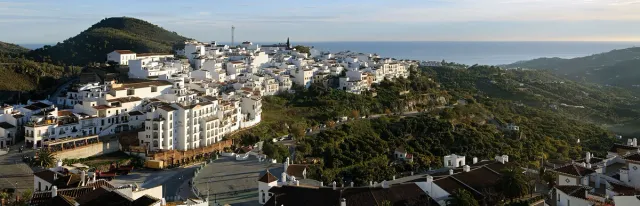
- 02Zuheros: a white village nestled beneath a crag
- 03Bat Cave
- 04Sierras Subbéticas Natural Park
About this route
The Subbética region of Córdoba is one of those places that has somehow managed to fly under the radar, despite having everything it takes to be a top-class tourist attraction: spectacular limestone landscapes, white villages perched on precipitous slopes, a history as rich as that of Granada and, most importantly for motorcyclists, challenging roads winding through centuries-old olive groves with no traffic other than the occasional olive-harvesting tractor. This is rural Andalusia at its most authentic, without the touristy feel of Ronda or the clichés of the Sierra Nevada.
Priego de Córdoba is the area’s biggest surprise. Few visitors expect to find, in a town of 22,000 inhabitants, one of Spain’s most important Baroque ensembles – comparable in quality to Salamanca or Santiago de Compostela, though infinitely less visited. The explanation lies in its textile heritage: during the 18th century, Priego was the capital of the Andalusian silk industry; at its peak in 1753, it had as many as 1,160 active looms, and its merchants became so wealthy that they brought in architects from Granada and Antequera to build churches, oratories and palaces. The Fuente del Rey, with its 139 sculpted spouts and three cascading basins, is one of the most impressive Baroque water features in Europe, yet almost nobody outside Andalusia knows of it.
Zuheros, just thirty kilometres away, is the exact opposite: a tiny village (700 inhabitants) perched at the foot of a vertical limestone cliff, with a Moorish castle at the top and white houses terraced in tiers that seem to hang in mid-air. Beneath the village lies the Cueva de los Murciélagos, a cave discovered in 1938 which houses one of the most important collections of cave paintings in southern Spain, featuring depictions of animals and scenes of goat herding dating back 6,000 years. The cave can be visited on a guided tour, and the motorbike ride from the village to its entrance is a spectacular little route.
The landscape of the Subbética is dominated by olive groves, but these are no ordinary olive groves: here we are in the heart of the Priego de Córdoba Designation of Origin (D.O.), possibly the most award-winning designation of origin for extra virgin olive oil in the world. Every year, olive oils from mills such as El Carmen de Carcabuey take top prizes at international competitions in New York, Tokyo and Los Angeles. The reason lies in the combination of the local ‘picuda’ variety with the limestone soil and a particularly dry microclimate, which produces small fruits with very intense aromas.
For a ride, the A-339 between Cabra and Priego de Córdoba forms the backbone of the area, but the curious motorcyclist should venture onto the smaller local roads that link the forgotten villages of the mountains: Carcabuey, Doña Mencía, Luque, Rute. They are all roads with endless bends, decent tarmac, no traffic and olive groves stretching to the horizon. And if you go in February, the almond trees in bloom amongst the olive groves create a landscape that very few places in the world can match.
Practical information
Weather
A lovely route all year round. Hot at midday in summer.
Traffic
Traffic is light, particularly on weekdays.
Fuel stops
Petrol stations in Priego, Cabra and Lucena.
Where to stay on this route
The towns this route passes through — useful for splitting it into stages or sleeping near the start. Book ahead in high season.
- ZuherosSee places to stay
- LuqueSee places to stay
- CarcabueySee places to stay
Affiliate links: if you book through them, Nomadiq earns a small commission at no extra cost to you.
Published on