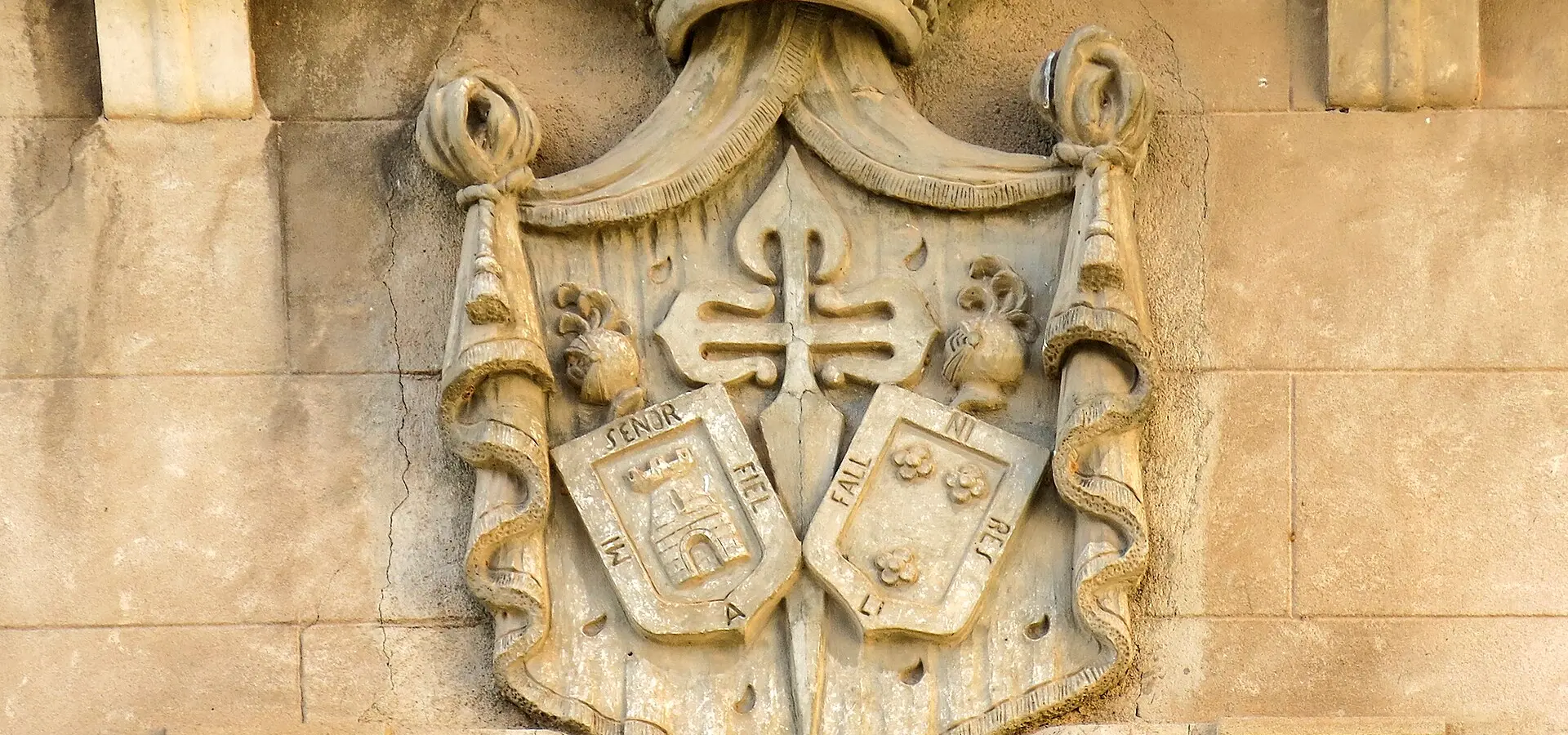
Caroig Massif: Bicorp and Quesa
Best Season
Very hot summer. Spring and autumn ideal.
Secret route through the Caroig Massif, one of the most unspoilt areas of inland Valencia. Bicorp, Quesa, the pools of the Grande river and roads that hardly anyone treads on.
Highlights
- 1Macizo del Caroig: untouched wilderness in the interior
- 2Charcos de Quesa: natural swimming pools
- 3Bicorp and its rock art
- 4Technical roads with no traffic
About this route
The Macizo del Caroig is probably the wildest and least visited area in the entire Valencia region. It is a limestone massif reaching 1,126 m at its highest point that physically separates the Ribera del Júcar from La Costera and the inland counties, and for centuries it was virtually inaccessible except by mule tracks. Today it is crossed by only three secondary roads, all narrow, technical and utterly deserted, which for the curious rider is a blessing: here you can ride for a full hour without encountering another vehicle, the villages are medieval and practically intact, and the sense of isolation is so complete that it feels more like the depths of Aragón than Valencia.
Bicorp, the most emblematic village in the Caroig, is internationally famous for an unexpected reason: it is home to some of the most important and best-preserved Mediterranean Arc rock paintings in all of Europe. The Cueva de la Araña, discovered in 1920 by local archaeologists, contains Neolithic Levantine paintings (8,000 years old) that have travelled the world: the most famous scene depicts a hunter climbing a rope to the entrance of a beehive to collect honey, clinging to a nest below in a composition so dynamic and expressive that it has been reproduced in countless art history books. The cave has been a UNESCO World Heritage Site since 1998 and can be visited with a guide in small groups.
Quesa, another essential stop on the route, is known for its "Charcos del Río Grande", a series of natural pools of turquoise water formed by the Río Grande as it descends through the Caroig. The pools are so clear and so intensely blue that they are more reminiscent of Mexican cenotes than a Spanish river. In summer they are a popular swimming spot for locals from the surrounding area, and it is well worth stopping to take a dip in their 18°C waters (refreshing but not cold). Access from the village of Quesa is via a forest track passable by motorbike.
The population density of the Caroig is among the lowest in all of Spain: fewer than 4 inhabitants per square kilometre, comparable to Lapland or the Almería desert. This radical depopulation has had paradoxical consequences: on one hand, it has caused basic services (schools, doctors, shops) to disappear from many villages; on the other, it has preserved the architectural and natural heritage in a way that is hard to find in more frequented areas. Villages such as Bicorp, Quesa, Millares and Navarrés retain virtually intact medieval layouts, with stone houses, cobbled alleyways, and squares that seem lifted straight from the 17th century.
Practical riding notes: this is one of the most demanding routes in the Valencian interior. The roads through the Caroig are narrow, technical and sometimes in poor condition in certain stretches (watch out for potholes). The season runs from March to November. Fill your tank to the brim in Xàtiva or Enguera before heading into the area: inside the Caroig there are only two petrol stations (Bicorp and Navarrés) with irregular opening hours. For dining, Mesón La Cueva in Bicorp serves traditional rural cooking with local Caroig produce (lamb, kid, rabbit, wild mushrooms from the sierra). And a final tip: set aside at least an hour for the guided tour of the Cueva de la Araña — it is absolutely worth it to understand why this forgotten corner of the Valencian interior was, 8,000 years ago, a cultural centre of the first order for the inhabitants of the Neolithic Mediterranean.
Route stops
Enguera
Village
Gateway to the Caroig Massif.
Bicorp
Village
Caroig village known for its rock art.
Quesa - Charcos
Viewpoint
Natural pools of the Grande River.
Practical information
Weather
Very hot summer. Spring and autumn ideal.
Traffic
Zero traffic. It is one of the most solitary areas in the Valencian Region.
Fuel stops
Refuelling in Xàtiva or Enguera. There are no petrol stations inside the Caroig.
Where to stay on this route
The towns this route passes through — useful for splitting it into stages or sleeping near the start. Book ahead in high season.
- EngueraSee places to stay
- BicorpSee places to stay
- XàtivaSee places to stay
Affiliate links: if you book through them, Nomadiq earns a small commission at no extra cost to you.
Related routes
Xàtiva, Bocairent and Banyeres de Mariola
Valencian Community
Tous Reservoir and the Inland Júcar Ribera
Valencian Community
Alcoy, Carrasqueta and Xixona
Valencian Community
Vall d'Ebo, Vall d'Alcalà and Castell de Castells
Valencian Community