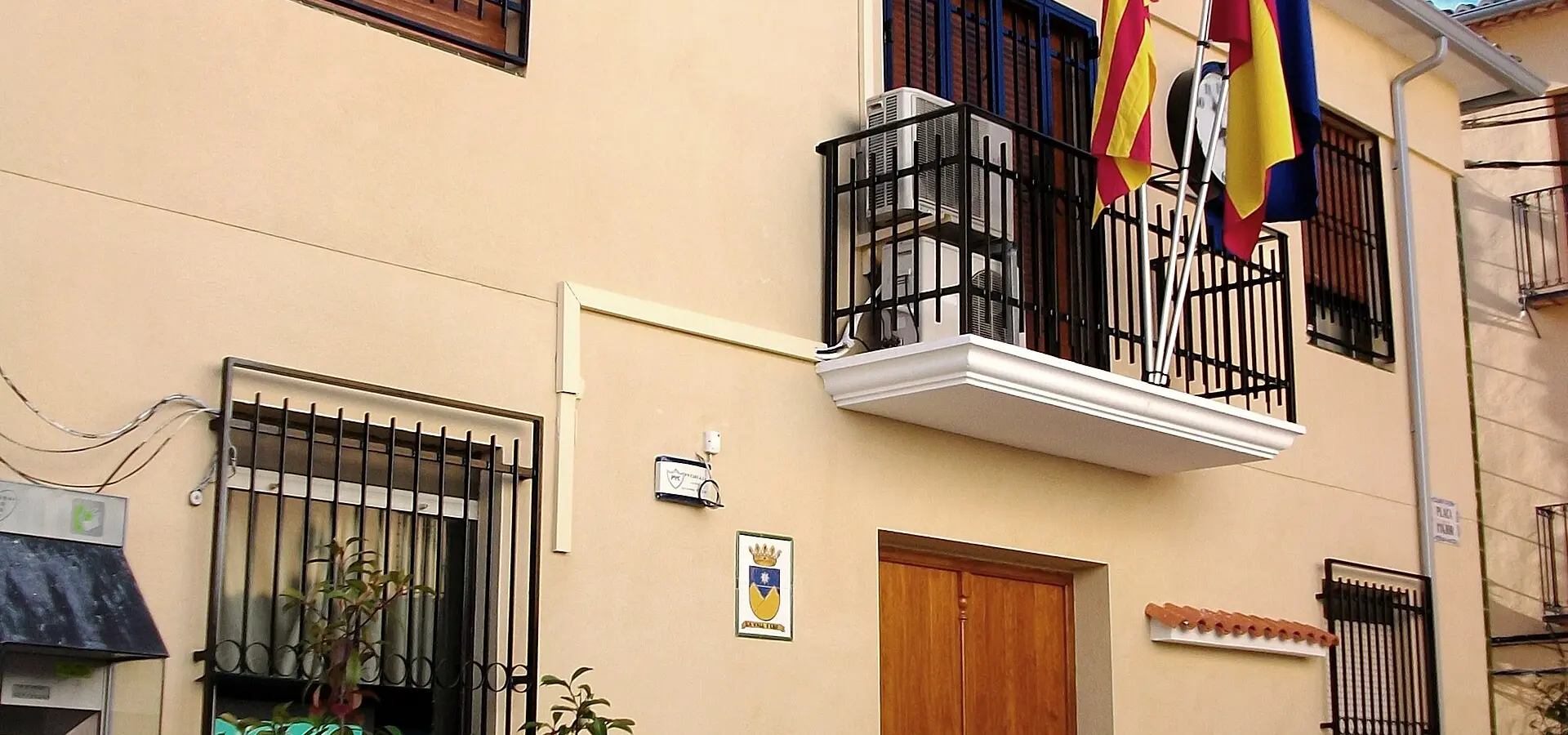
Vall d'Ebo, Vall d'Alcalà and Castell de Castells
Best Season
Be careful in winter with frost in shady areas. Ideal for spring and autumn.
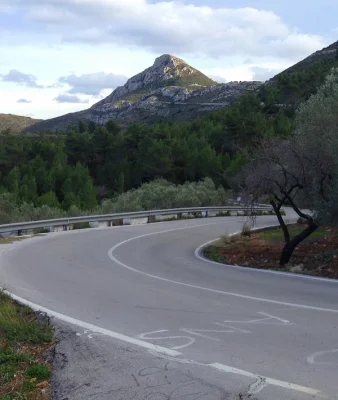
The secret valleys of the inland Marina Alta. Narrow, technical roads between Vall d'Ebo, Vall d'Alcalà and Castell de Castells, with bends at almost every turn.
Highlights
- 1Canyon of the Vall d'Ebo
- 2CV-712: technical and solitary
- 3Castell de Castells: an isolated village in the sierra
- 4Views of the Serra del Migdia
About this route
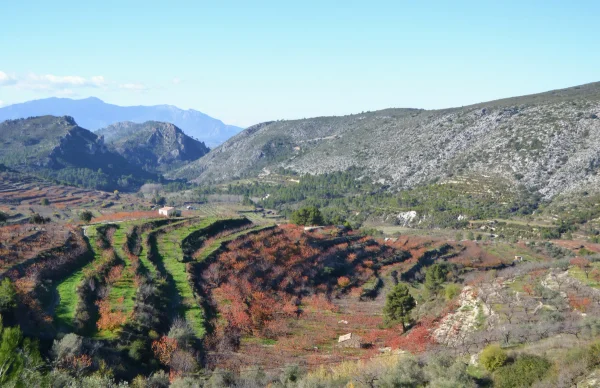
The secret valleys of the Marina Alta — Vall d'Ebo, Vall d'Alcalà, Vall de Gallinera and the area around Castell de Castells — are probably the most unspoilt and geographically surprising corners of the entire province of Alicante. Wedged between the Migdia, l'Almudaina and Aitana mountain ranges, these small inland river valleys were for centuries home to a predominantly Moorish population who lived from the intensive cultivation of vegetable gardens, vines and fruit trees on terraces painstakingly built into the hillsides. When the Moriscos were expelled in 1609 by order of Philip III, these valleys emptied practically overnight, and the subsequent resettlement (with Mallorcan and Aragonese families) never managed to recover the agricultural prosperity of the Andalusí era.
The result of this historic depopulation is that the valleys have reached the 21st century almost intact: tiny villages — Vall d'Ebo has barely 220 winter inhabitants, Vall d'Alcalà 150, Castell de Castells 380 — with perfectly preserved traditional architecture, terraced farming landscapes that look straight out of the Maghreb, and secondary roads that are utterly deserted for hours on end. For the curious motorcyclist, this is a treasure: the CV-712 between Pego and Castell de Castells is probably the most technical and at the same time emptiest road in the entire province of Alicante, with continuous bends, serious gradients and a layout that snakes through limestone gorges that seem to have no way out.
The canyon of the Ebo river, in the heart of the Vall d'Ebo, is one of the most spectacular and unexpected geological corners of inland Alicante. The river, on its descent from the inland mountain ranges to the Mediterranean Sea, has carved over millions of years a narrow, vertical limestone gorge, with walls up to 200 metres high, natural pools of turquoise water and a microclimate so special that in the height of summer it is 8°C cooler at the bottom of the canyon than on the surface. The CV-712 road runs along the upper edge of the canyon and offers a perfect view of the entire system from several natural viewpoints.
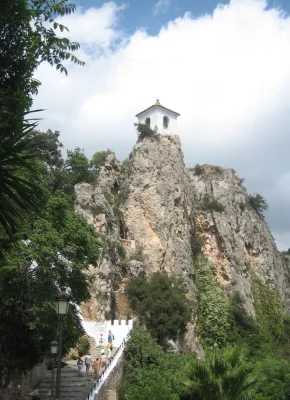
Castell de Castells, the final village on the route, has a unique architectural feature: it is one of the few villages in the Valencian Community where examples of "Arab houses" are still preserved virtually intact — houses with an interior courtyard, a central fountain, steep lateral staircases and a spatial layout completely different from the medieval Christian house. The explanation lies, once again, in its Moorish past: the local population between the 13th and 17th centuries was predominantly Muslim, and many of the houses in the current historic centre are direct descendants of the original Andalusí dwellings.
Riding tips: this route is physically demanding (technical roads, constant bends, serious gradients) and requires attention because some roads are narrow and oncoming cars force precise manoeuvres. The best season runs from March to November. Fill your tank to the brim in Pego or Dénia: inside the valleys there is only one operating petrol station, in Castell de Castells. For lunch, in Vall d'Alcalà the Mesón La Vall serves traditional rural cooking with local produce (kid goat, rabbit, artisan cured meats) at affordable prices. And a tip: if you go in September, do not miss the Vall de Gallinera (neighbouring the valleys on this route), where the traditional cherry trees in bloom are one of the most beautiful spring spectacles in eastern Spain.
Route stops
Vall d'Ebo
Village
Village hidden behind an impressive canyon.
Vall d'Alcalà
Village
A small town in the heart of the inland mountains.
Castell de Castells
Village
Isolated village with views of the Serra del Migdia.
Practical information
Weather
Be careful in winter with frost in shady areas. Ideal for spring and autumn.
Traffic
Almost no traffic. Lonely roads.
Fuel stops
Refuelling in Pego or Dénia. There are no petrol stations in the valleys.
Where to stay on this route
The towns this route passes through — useful for splitting it into stages or sleeping near the start. Book ahead in high season.
- Vall d'EboSee places to stay
- Vall d'AlcalàSee places to stay
- Castell de CastellsSee places to stay
Affiliate links: if you book through them, Nomadiq earns a small commission at no extra cost to you.