Sierra de Gredos: La Plataforma and Pedro Bernardo
Best Season
Possible snow from November to May. Cool summer. Best from June to October.
Ascent to the Plataforma de Gredos via Hoyos del Espino and descent to the south face via the Puerto del Pico, a mythical mountain pass for bikers, to Pedro Bernardo.
Highlights
- 1Puerto del Pico (1,352 m): a legendary spot for motorcyclists
- 2Gredos Plateau at 1,770 m
- 3Pedro Bernardo: a village perched high above the River Tiétar
- 4Roman road at Puerto del Pico
About this route
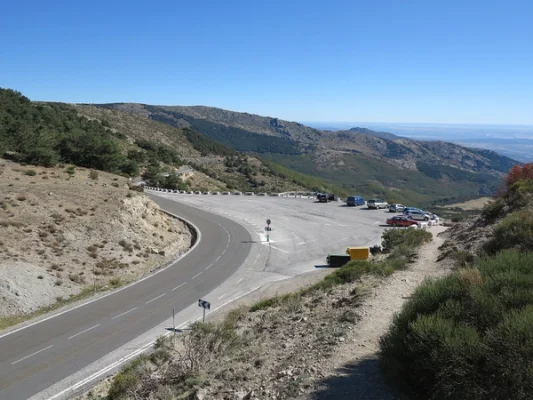
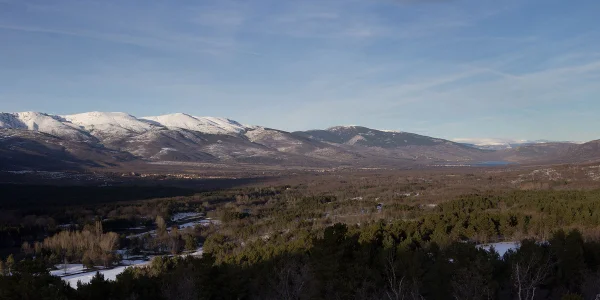
The Sierra de Gredos is one of the most imposing and, paradoxically, least well-known mountain ranges in the peninsular Central System. Its maximum altitude of two thousand metres (the Almanzor, at 2,592 m, is the highest peak in the Central System) make it a fully-fledged alpine range, with glacial cirques, high-altitude lakes, vertical cliffs and an environment that, in the height of summer, can be as harsh as any part of the Pyrenees. But its great advantage for motorcyclists is the Plataforma de Gredos, that car park at 1,770 m at the end of the AV-931, from where the massif’s most famous mountain routes begin. Reaching it by motorbike is one of the great pleasures of any motorbike tour through Castile and León.
The Puerto del Pico (1,352 m), where the N-502 climbs from the Tiétar Valley to the Sierra, has a fascinating historical feature: it is one of the few mountain passes in the whole of Spain where the original Roman road is still intact. The road, clearly visible alongside the modern carriageway, was built in the 1st century AD to link Mérida with Astorga, and is one of the best-preserved sections of the Roman road network on the entire Iberian Peninsula. The Romans knew what they were doing: the route winds its way up the slopes with a steady gradient of 7–8 per cent – exactly the same gradient used 2,000 years later by modern engineers. For motorcyclists, seeing a road paved with granite stones right beside your wheel gives a curious sense of historical continuity.
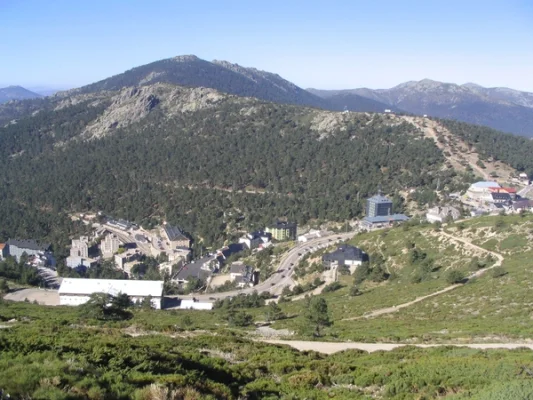
The Tiétar Valley, to the south of the mountain range, is probably the most unusual place in the province of Ávila. The combination of the 2,500-metre-high Gredos mountain range to the north (which blocks the cold winds) and the open southern exposure towards Extremadura creates a unique subtropical microclimate: here, cherry trees, fig trees, giant tomato plants and, above all, the famous Tiétar paprika grow in the open air and are exported throughout Europe. Some villages, such as Pedro Bernardo — perched on a hillside with spectacular views of the valley — have an almost Mediterranean character that stands in stark contrast to the stereotypical image of ‘cold Castile’.
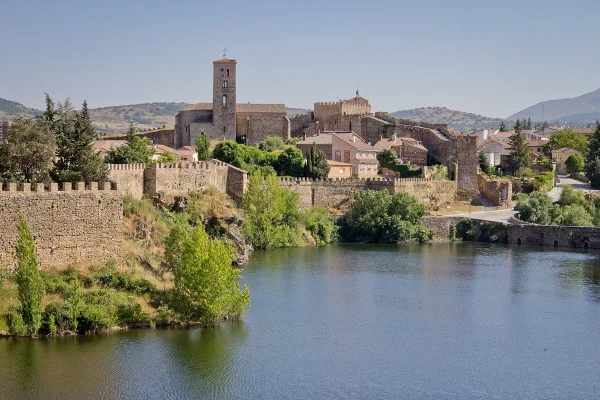
For motorcyclists, the most interesting aspect of this route is the combination of climbing the Puerto del Pico (with the Roman road running alongside), passing through Hoyos del Espino and heading up to the Plataforma for a break with views of the Almanzor, and then descending to the Tiétar via the AV-941. The contrast in the landscape is striking: up above, Alpine granite and centuries-old oak forests; down below, agricultural terraces with cherry and olive trees reminiscent of Andalusia. In between, there’s a string of mountain villages where motorcyclists can stop for a leisurely break: Hoyos del Espino, Navalsauz, Mombeltrán (with its fabulous 15th-century Gothic castle belonging to the Dukes of Alburquerque), and Pedro Bernardo.
Tips for motorcyclists: The car park at the viewpoint may be subject to restrictions in summer due to the large numbers of day-trippers; it’s best to set off very early. The best time to visit is from May to October. Fill up with petrol in Ávila or Arenas de San Pedro before heading into the mountains. For a meal in the area, the Mesón Restaurante La Mira in Hoyos del Espino serves roast lamb and ‘judiones del Barco’ beans like few other places. And if you have some extra time, be sure to head down to Cuevas del Valle via the old N-502 to see the Roman road at its best: a perfectly preserved, continuous 200-metre stretch, with its original cobblestones and the boundary stones still in place.
Route stops
Puerto del Pico
Viewpoint
Pass at 1,352 m with Roman road.
Hoyos del Espino
Village
Base village of the Plataforma de Gredos.
Plataforma de Gredos
Viewpoint
Car park at 1,770 m, base of Almanzor.
Practical information
Weather
Possible snow from November to May. Cool summer. Best from June to October.
Traffic
Moderate traffic on weekends.
Fuel stops
Petrol stations in Ávila, Hoyos del Espino and Arenas de San Pedro.
Where to stay on this route
The towns this route passes through — useful for splitting it into stages or sleeping near the start. Book ahead in high season.
- Hoyos del EspinoSee places to stay
- AvilaSee places to stay
Affiliate links: if you book through them, Nomadiq earns a small commission at no extra cost to you.