Costa Smeralda and La Maddalena Archipelago
Best Season
Warm Mediterranean. Accessible all year. July-August very hot and crowded. Ideal May-June and September-October.
The Costa Smeralda is the Mediterranean's most exclusive coast: turquoise waters, pink granite and secret coves. The La Maddalena archipelago adds virgin islands accessible by ferry with the motorcycle.
Highlights
- 1Costa Smeralda: turquoise water and pink granite
- 2La Maddalena archipelago: unspoilt islands, bike on the ferry
- 3Caprera: Garibaldi's house-museum
- 4Bottarga and porceddu: authentic Sardinian cooking
About this route
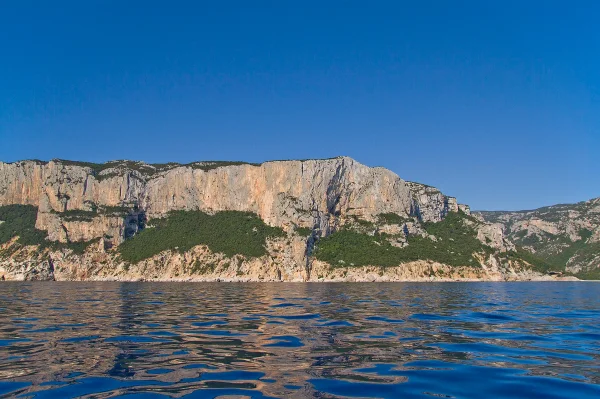
The Costa Smeralda is a 20th-century invention: in 1962, Prince Karim Aga Khan IV discovered this strip of north-eastern Sardinian coast and decided to turn it into the Mediterranean's most exclusive holiday destination. What he found was an untouched shoreline of extraordinary beauty: pink and grey granite sculpted by the wind into fantastical shapes, white-sand coves ringed by Mediterranean maquis (myrtle, mastic, juniper), and a sea so intensely turquoise it looks artificial. The coast road running the Costa Smeralda from Olbia to Palau threads between these coves, offering a sea view at every bend.
The geology of the Costa Smeralda is that of the granite massif forming northern Sardinia: Carboniferous plutonic rock (300 million years old) that wind and sea erosion have carved into rounded, whimsical forms. The pink granite rocks of Capo d'Orso (near Palau) are especially famous: one is shaped like a bear — hence the name — and is among the most photographed natural monuments in Sardinia. The sea's turquoise comes from the combination of white sand beds, shallow water and the complete absence of pollution.
The La Maddalena archipelago, reached by ferry from Palau (20 minutes, bikes allowed), is a national park of seven main islands and dozens of islets holding some of the most spectacular beaches in the Mediterranean. La Maddalena itself has a 20 km perimeter road hugging the coast with views of the surrounding islands, and from there a bridge crosses to Caprera, home to the house-museum of Giuseppe Garibaldi, the hero of Italian unification who chose this island as his final retreat.
The food of the Costa Smeralda blends Sardinian tradition with wider Mediterranean influences. Zuppa gallurese (bread, cheese and broth baked au gratin), culurgiones (Sardinian ravioli filled with potato, mint and pecorino), porceddu (suckling pig spit-roasted over myrtle wood), bottarga di muggine (cured grey mullet roe, the "caviar of the Mediterranean") and mirto (myrtle berry liqueur) are the essential flavours. In Porto Cervo restaurants are eye-wateringly expensive; in the inland villages (Arzachena, San Pantaleo) the same food costs a fraction of the price.
Practical notes: the Costa Smeralda is rideable year-round, but July and August are madness for both traffic and prices (Porto Cervo is the most expensive destination in Italy). May-June and September-October are ideal: warm sea, empty roads, sane prices. The ferry to La Maddalena leaves every 30 minutes from Palau and costs around €15-20 for bike and rider. Fuel in Olbia, Arzachena and Palau. The most authentic places to stay are the agriturismi — converted farms — of the Gallura interior.
Route stops
Porto Cervo
Village
Capital of Mediterranean luxury with marina and boutiques.
Palau
Village
Embarkation port for the La Maddalena ferry and Capo d'Orso.
La Maddalena
Village
Island with perimeter road and bridge to Caprera (Garibaldi's home).
Practical information
Weather
Warm Mediterranean. Accessible all year. July-August very hot and crowded. Ideal May-June and September-October.
Traffic
Extreme traffic July-August on the coast. Low off-season. Frequent ferry to La Maddalena.
Fuel stops
Petrol stations in Olbia, Arzachena, Palau and La Maddalena.
Where to stay on this route
The towns this route passes through — useful for splitting it into stages or sleeping near the start. Book ahead in high season.
- Porto CervoSee places to stay
- PalauSee places to stay
- La MaddalenaSee places to stay
Affiliate links: if you book through them, Nomadiq earns a small commission at no extra cost to you.