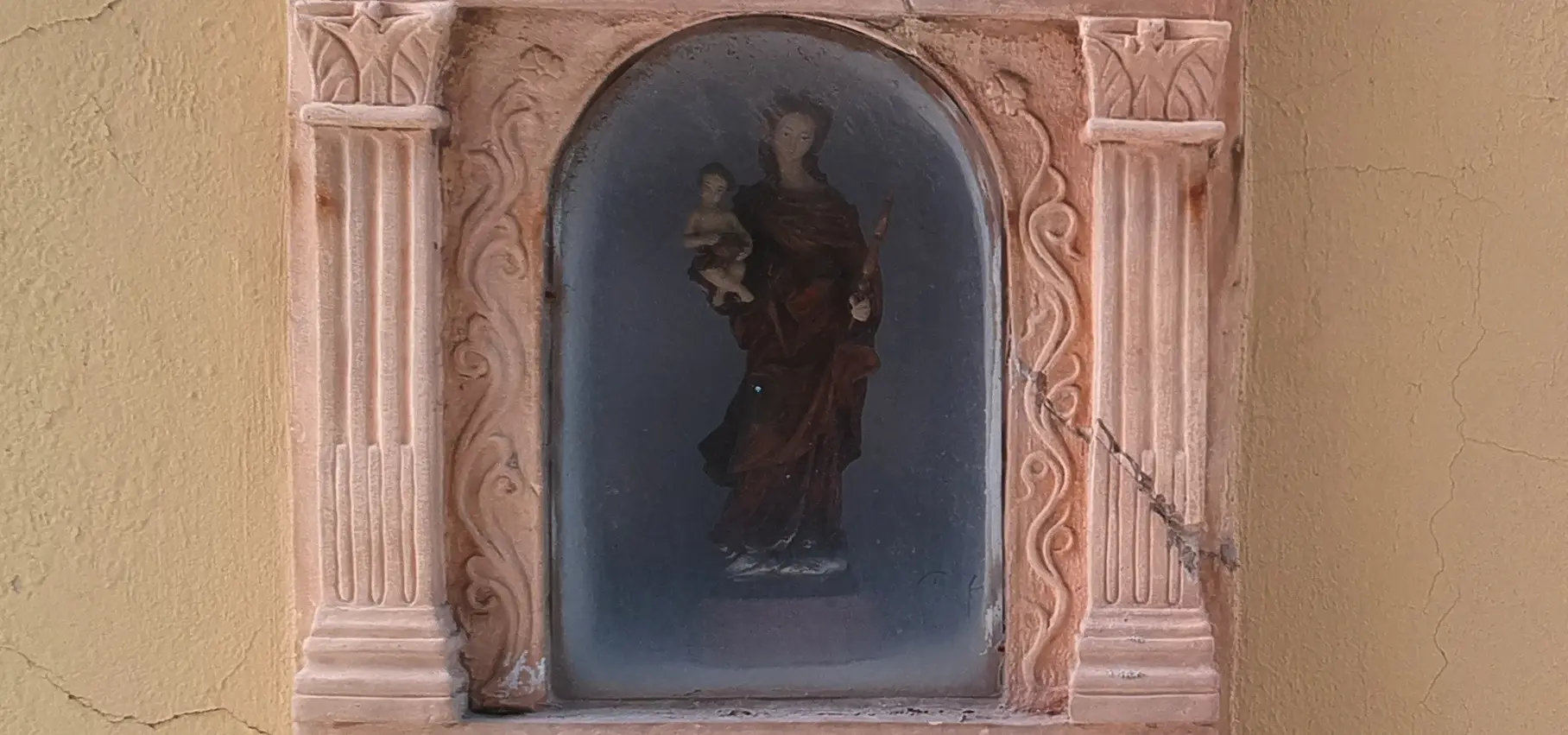
Alghero and Capo Caccia: the Coral Riviera
Best Season
Mild Mediterranean. Accessible all year. Frequent mistral wind on the coast. Ideal spring and autumn.
Alghero, the Catalan city of Sardinia where Algherese is still spoken, and Capo Caccia with the spectacular Neptune's Grotto. Cliffs, red coral, medieval walls and Algherese lobster.
Highlights
- 1Alghero: a Catalan city with medieval walls and Alguerès language
- 2Capo Caccia: 168 m cliffs and the Grotta di Nettuno
- 3Red coral: a centuries-old artisan tradition
- 4Llagosta a l'algueresa: lobster cooked Catalan-style
About this route
Alghero is a fascinating cultural anomaly: a city of 45,000 inhabitants on the northwest coast of Sardinia where people still speak Alguerès, a dialect of Catalan that has survived since the fourteenth century, when the Crown of Aragon conquered the city and expelled the Sardinian population, repopulating it with Catalans from Barcelona, Tarragona and Valencia. The street signs are in Catalan and Italian, many elderly residents still speak Alguerès in daily life, and the architecture of the historic centre — towers, walls, Gothic churches, palaces with coronella windows — recalls Barcelona more than any other Sardinian city.
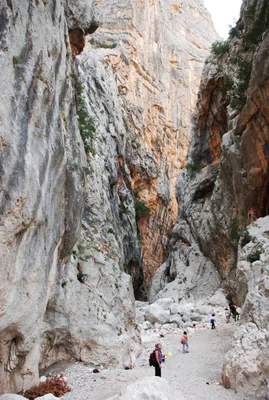
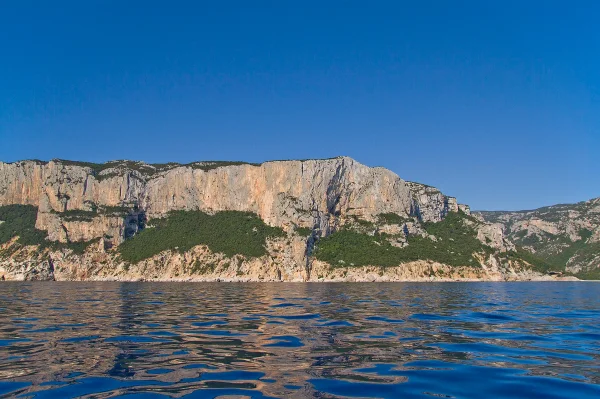
The geology of the Alghero coast is Mesozoic limestone, which has created one of the most spectacular coastlines in the western Mediterranean: sheer white cliffs, sea caves, natural arches and the imposing mass of Capo Caccia, a 168-metre promontory that juts into the sea like the prow of a gigantic ship. At the base of Capo Caccia lies the Grotta di Nettuno (Neptune's Grotto), a 4 km-long sea cave with an interior lake, colossal stalactites and an atmosphere of a subterranean cathedral that alone justifies the trip to Alghero.
Red coral (Corallium rubrum) is the symbol and historic wealth of Alghero, known as the "Riviera del Corallo." Algherese divers have been harvesting this coral from the seabed off Capo Caccia for centuries, and the city's artisans craft it into jewellery, cameos and decorative objects sold in the shops of the historic centre. The Museo del Corallo in Alghero, housed in a Liberty-style (Art Nouveau) villa overlooking the sea, tells the story of a tradition that ties the city to the deep Mediterranean.
Alghero's gastronomy is the most "Catalan" in Sardinia: llagosta a l'algueresa (Algherese-style lobster, cooked with tomato, onion and garlic in a Catalan sofrito) is the city's signature dish and a delicacy that rivals the Menorcan lobster stew. Sea urchins (ricci di mare), served raw with lemon and bread, are another classic of the harbour restaurants. The wines of the region — Vermentino di Sardegna, Cannonau, Torbato — are the perfect accompaniment to Alghero's seafood cuisine.
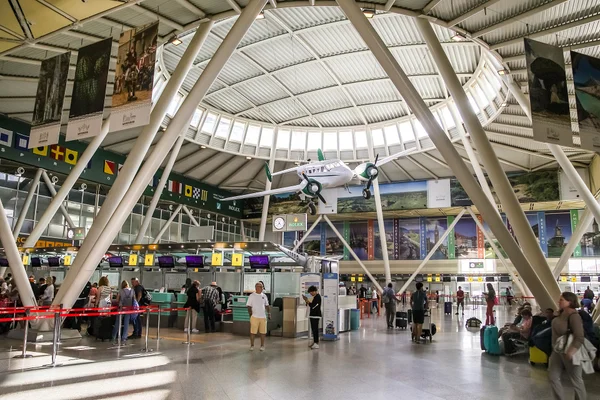
Practical riding info: the Alghero–Capo Caccia route is short (30 km one way) but can easily be extended southward (Porto Conte, Mugoni beach) and northward (Stintino and La Pelosa beach, one of the most famous in Sardinia). The road to Capo Caccia (SP55) winds along cliffs with sea views and ends at a car park from which a staircase of 656 steps (the Escala del Cabirol) descends to the Grotta di Nettuno. Fuel stations in Alghero. Alghero-Fertilia airport offers direct flights from the mainland, making Alghero a perfect starting point for a route through western Sardinia.
Route stops
Alghero centro historico
Monument
Walled Catalan centre with towers, Gothic churches and red coral.
Capo Caccia
Viewpoint
168 m promontory with Neptune's Grotto and Escala del Cabirol.
Porto Conte
Viewpoint
Protected bay with crystal waters and nature park.
Practical information
Weather
Mild Mediterranean. Accessible all year. Frequent mistral wind on the coast. Ideal spring and autumn.
Traffic
Low traffic except on the road to Capo Caccia in summer. Alghero centre: pedestrian zones.
Fuel stops
Petrol stations in Alghero. Nothing at Capo Caccia.
Where to stay on this route
The towns this route passes through — useful for splitting it into stages or sleeping near the start. Book ahead in high season.
- Alghero centro historicoSee places to stay
- AlgheroSee places to stay
Affiliate links: if you book through them, Nomadiq earns a small commission at no extra cost to you.