Barbagia: Orgosolo and the Murals of Rebellion
Best Season
Mountain Mediterranean. Cool at altitude. Snow possible in Fonni in winter. Ideal spring and autumn.
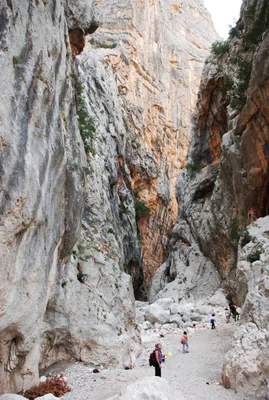
Barbagia is Sardinia's untamed heart: mountains where Rome never reached, bandit villages, protest murals in Orgosolo and a pastoral culture that has survived millennia unchanged.
Highlights
- 1Murals of Orgosolo: more than 150 works of political street art
- 2Barbagia: the region where Rome never reached
- 3Fonni: the highest village in Sardinia (1,000 m)
- 4Porceddu roasted on a spit over myrtle wood: ancestral flavour
About this route
The Barbagia is the most isolated and mysterious region of Sardinia, a labyrinth of mountains and valleys in the heart of the island that the Romans never fully managed to conquer (the name "Barbagia" comes from "Barbaria," what the Romans called this untamed land). For centuries, the Barbagia was a land of shepherds, bandits and vendetta, a closed society governed by unwritten codes of honour that survived on the margins of Italian law well into the twentieth century. Orgosolo, the most famous village of the Barbagia, was for decades the village with the highest murder rate in all of Italy.
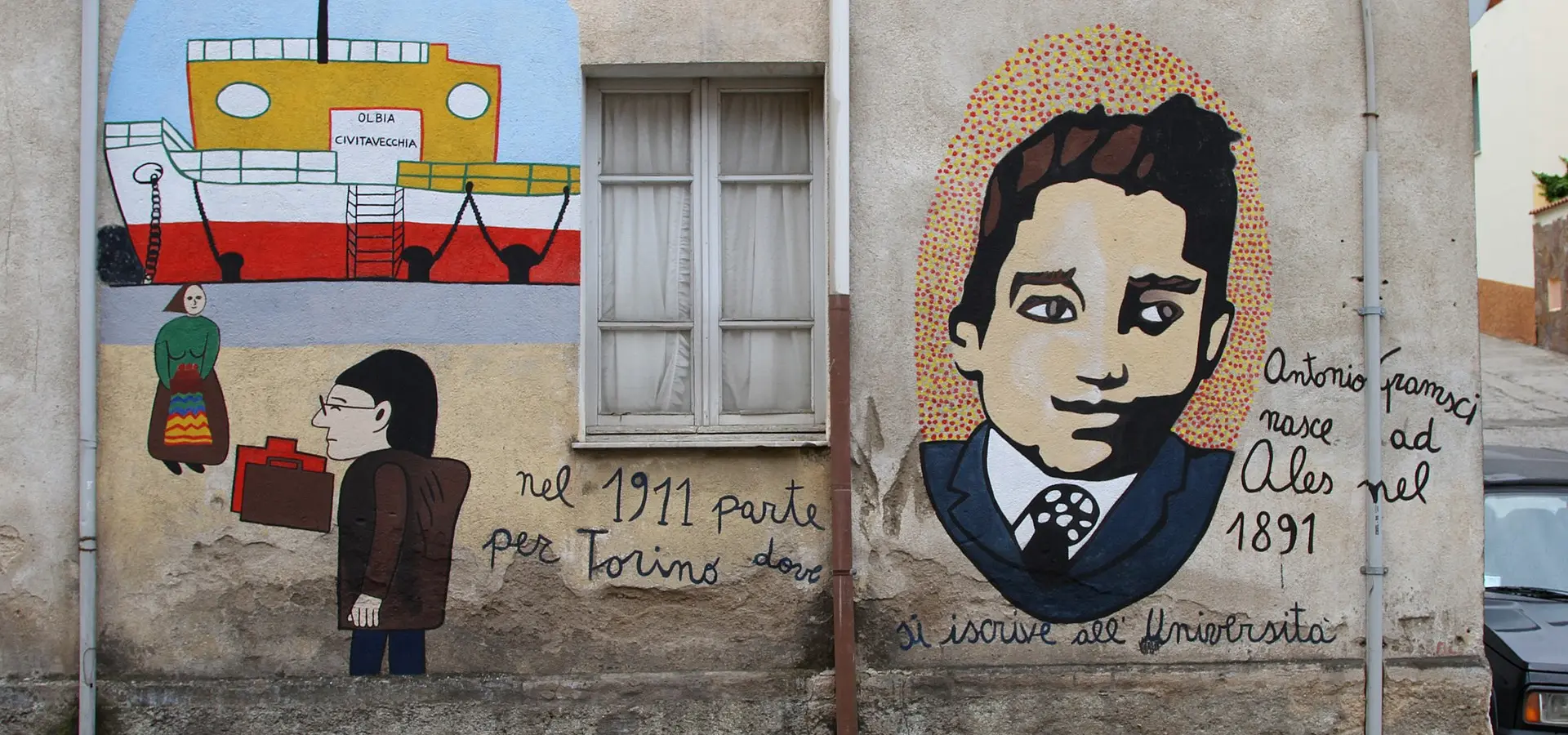
The murals of Orgosolo are the most striking artistic expression of the Barbagia. Since 1969, the village walls have been gradually covered with political and social murals painted by local artists and visitors, creating an open-air gallery of more than 150 works that tell the story of Sardinian resistance, the struggle against military oppression, the world wars, social injustice and the cultural identity of a people who refuse to be tamed. The murals of Orgosolo are comparable in intensity to those of Belfast or the Zapatista murals in Chiapas.
The roads of the Barbagia are a pure riding pleasure: narrow, winding, with variable tarmac, and surrounded by a landscape of mountains cloaked in holm oaks, cork oaks and strawberry trees that seems to belong to another era. The SP22 between Nuoro and Orgosolo, the SP46 between Orgosolo and Fonni, and the SP7 towards Desulo are roads of continuous curves with virtually no traffic, where bike and rider enter a state of total flow. Fonni, at 1,000 metres altitude, is the highest village in Sardinia.
The gastronomy of the Barbagia is the most archaic and powerful in Sardinia. The porceddu (suckling pig roasted on a spit over holm oak and myrtle wood) reaches its most perfect expression here: the skin crackling, the meat juicy, the scent of myrtle permeating everything. The pecorino sardo cheese of the Barbagia is stronger and more pungent than that of the coast: aged for months in natural caves, with a dark rind and an interior that can be creamy or crumbly depending on maturation. Pane frattau (layers of pane carasau with tomato, poached egg and pecorino) is the quintessential Barbagian dish.
Practical riding info: the Barbagia is accessible year-round, but in winter it can snow above 1,000 metres (Fonni sees snow several days a year). Roads are in variable condition: the main ones (SP22, SP46) are decent; secondary roads can have potholes and gravel. Fuel stations in Nuoro and Fonni; few options between the smaller villages. For the authentic experience, stay at an agriturismo in the area and dine on spit-roasted porceddu in the courtyard, under the stars of the Barbagia.
Route stops
Orgosolo
Monument
Village of the murals: over 150 political art works on the walls.
Fonni
Village
Sardinia's highest village at 1,000 metres altitude.
Mamoiada
Village
Village of the Mamuthones: ancestral masks of Sardinian carnival.
Practical information
Weather
Mountain Mediterranean. Cool at altitude. Snow possible in Fonni in winter. Ideal spring and autumn.
Traffic
Very low traffic. Narrow roads with occasional loose livestock. Caution on blind corners.
Fuel stops
Petrol stations in Nuoro and Fonni. Few options between small villages.
Where to stay on this route
The towns this route passes through — useful for splitting it into stages or sleeping near the start. Book ahead in high season.
- OrgosoloSee places to stay
- FonniSee places to stay
- MamoiadaSee places to stay
Affiliate links: if you book through them, Nomadiq earns a small commission at no extra cost to you.