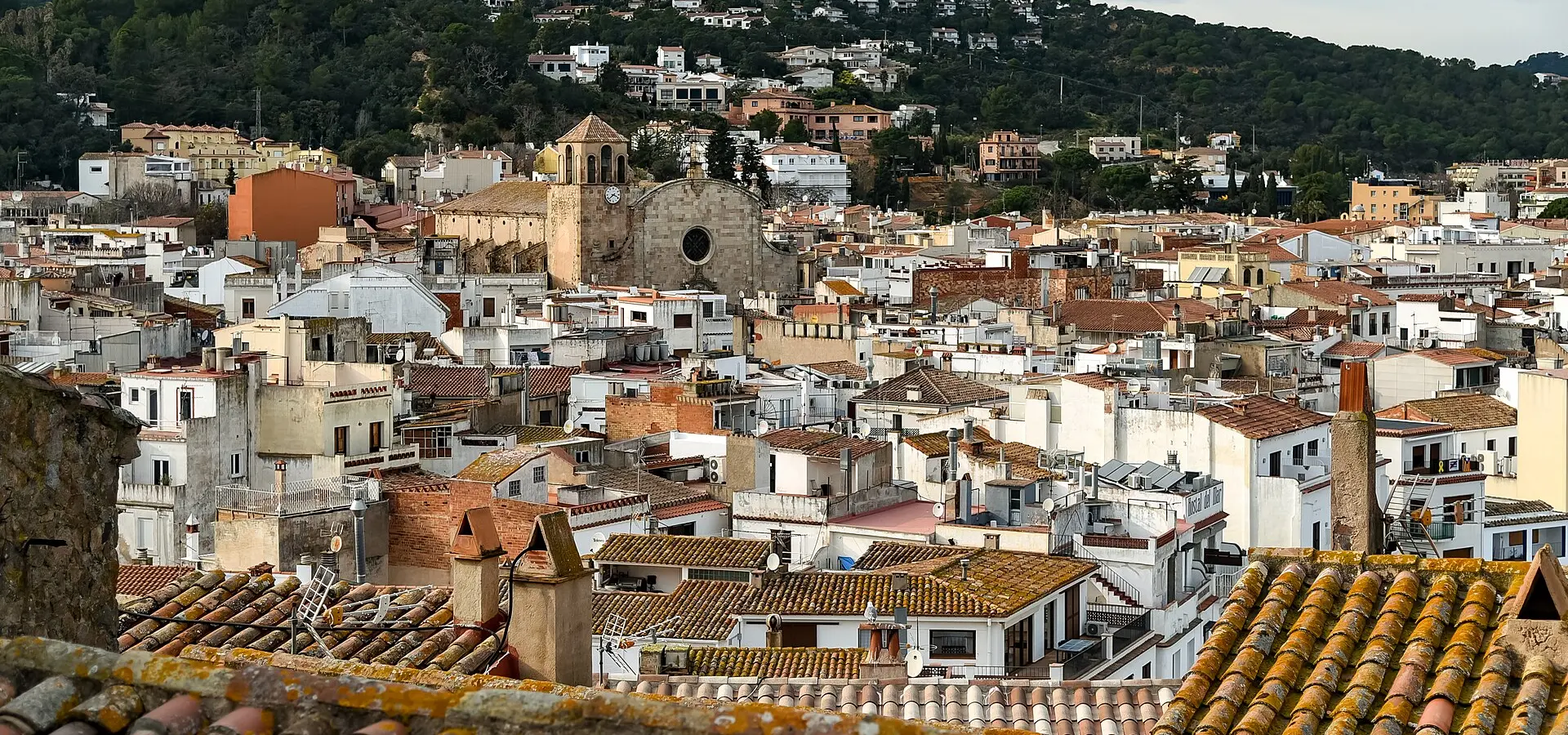
Costa Brava: Tossa, Sant Feliu and Begur
Best Season
Mild Mediterranean microclimate all year round. Avoid July and August due to mass tourism.
The Costa Brava road between Tossa de Mar and Sant Feliu de Guíxols (GI-682) is one of the most beautiful and winding in the Mediterranean, extending to Begur and the coves of Empordà.
Highlights
- 1GI-682: the most scenic road on the Costa Brava
- 2Tossa de Mar and its medieval castle
- 3Coves of Begur: Sa Tuna, Aiguablava
- 4Pals: a medieval village in the Empordà region
About this route
The GI-682 between Tossa de Mar and Sant Feliu de Guíxols is probably the most beautiful and technically most interesting coastal road in the whole of the Spanish Mediterranean. Built during the Franco era (it was finally tarmacked in 1947), it winds for 22 km along the south-eastern flank of the Gavarres massif, constantly offering views of turquoise coves and black pine-clad cliffs that drop vertically into the sea. Every bend – literally every bend – offers a different picture-postcard view. For a motorcyclist from northern Europe, discovering this road for the first time is often a life-changing experience: many return to the Costa Brava every winter just to ride it.
Tossa de Mar is probably the first town on the Costa Brava to have gained international fame. In 1934, Marc Chagall spent several weeks here and dubbed the place ‘the blue paradise’. In the 1950s, Ava Gardner filmed *Pandora and the Flying Dutchman* (1951) here, and the film turned Tossa into the Spanish coast’s first glamorous destination, attracting Hollywood, journalists and the first mass wave of foreign tourism of the 20th century. There is a statue of Ava Gardner in the Vila Vella, the medieval walled quarter that crowns the town. This Vila Vella is, incidentally, the only medieval walled complex on the entire Catalan coast to have been preserved in its entirety, with its 14th-century walls still intact.
Sant Feliu de Guíxols, at the end of the GI-682, has a fascinating history linked to cork. During the 19th century, this small fishing village became one of the world’s leading centres for the cork trade, exporting cork stoppers to the wineries of Bordeaux, Champagne and Rioja. The wealth generated enabled the construction of a historic centre featuring elegant Modernist houses and a bustling commercial harbour. The cork crisis in the early 20th century brought the local economy to its knees until, ironically, tourism in the 1960s revived the town. The former 10th-century Benedictine monastery, right in the centre, is one of the most interesting architectural complexes on the Catalan coast.
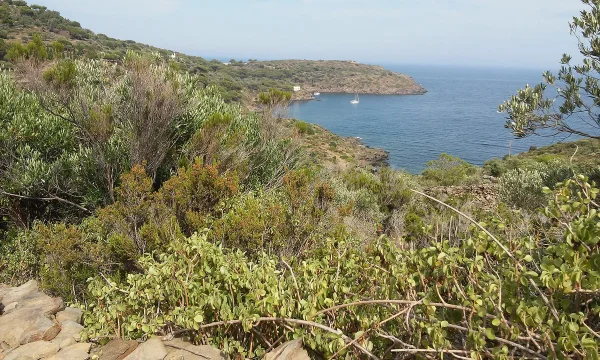
Begur is the other highlight of the route. Perched on a hill inland overlooking the sea, it is probably the most photogenic village on the entire Costa Brava: Catalan Modernist architecture blended with ‘Indian’ houses (built by emigrants who returned from Cuba in the 19th century having made their fortunes and left the village a unique architectural legacy), cobbled streets and small coves tucked away in the surrounding cliffs. Begur’s coves — Sa Tuna, Aiguafreda, Sa Riera, Aiguablava — are arguably the most beautiful and best-preserved on the entire Costa Brava, accessible via single-lane roads that motorcyclists particularly enjoy.
For motorcyclists, the best time of year is definitely outside July and August: in the height of summer, the GI-682 can get very busy with tourist traffic and the coastal towns are packed. May, June, September and October are perfect. Fill up in Lloret or Sant Feliu before heading off onto the local roads. When it comes to eating, there are countless options, but the Ca la Conxita restaurant in Llafranc (a fishing village between Sant Feliu and Begur) serves black rice with cuttlefish and a fish suquet that are well worth a long stop. And one final tip: set aside at least an hour to visit Cap Roig, a Modernist botanical garden perched on a cliff between Calella and Palamós. It’s one of the most magical spots on the entire coast.
Route stops
Tossa de Mar
Village
Coastal village with medieval walls overlooking the sea.
Sant Feliu de Guíxols
Village
Coastal town with a Benedictine monastery.
Begur
Village
White village with hidden coves.
Pals
Monument
Medieval village in Baix Empordà.
Practical information
Weather
Mild Mediterranean microclimate all year round. Avoid July and August due to mass tourism.
Traffic
Heavy traffic in summer and at weekends. Best on weekdays or early morning.
Fuel stops
Frequent petrol stations all along the coast.
Where to stay on this route
The towns this route passes through — useful for splitting it into stages or sleeping near the start. Book ahead in high season.
- Tossa de MarSee places to stay
- Sant Feliu de GuíxolsSee places to stay
- BegurSee places to stay
Affiliate links: if you book through them, Nomadiq earns a small commission at no extra cost to you.