#1
€€€€
Urban•Gastronomy & Wine|Madrid, Madrid
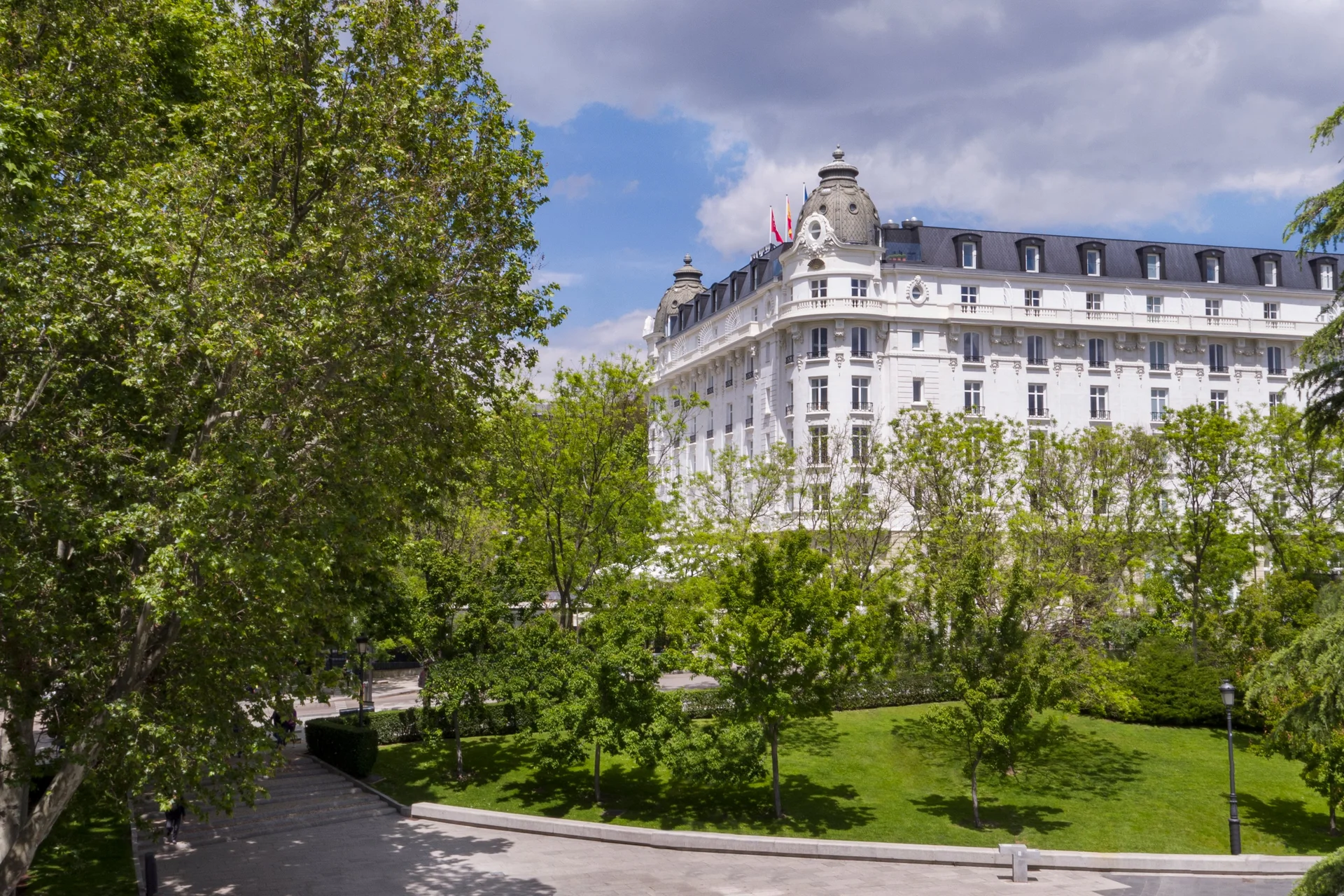
Mandarin Oriental Ritz, Madrid
El gran hotel de Madrid, reinventado para el siglo XXI
Historic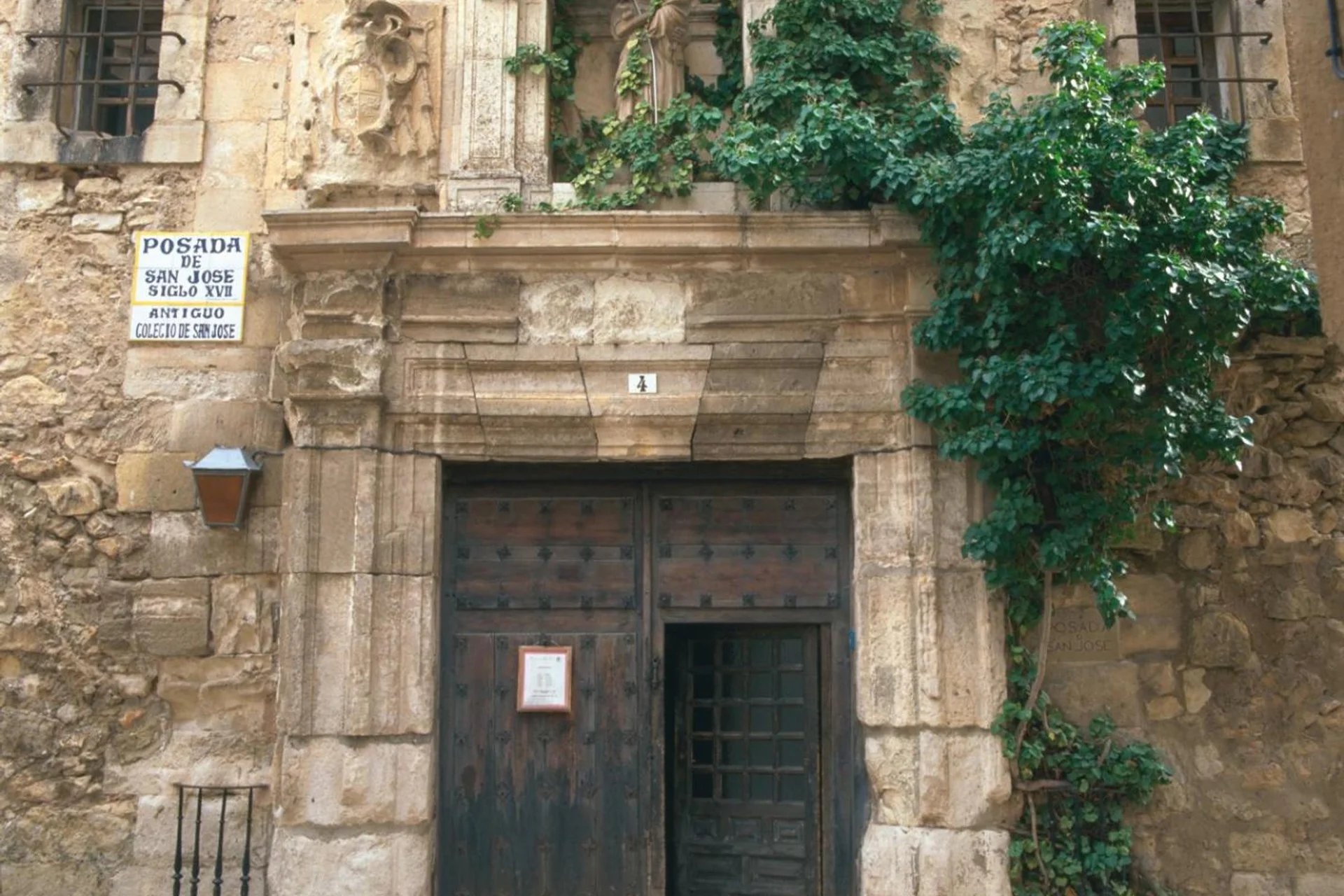
“The old choirboys' college, perched over the Huécar gorge”
Posada de San José occupies a manor house built in 1621 that for almost three centuries was home to the cathedral's choirboys' college. Today it is a family-run hotel of 21 rooms, no two alike, perched above the Huécar gorge a few steps from the cathedral and the Hanging Houses, with a dining room serving Cuenca cooking that looks straight out over the drop.
Ask for a room facing the gorge and have morteruelo for dinner in the dining room as evening falls over the Huécar.
Heritage-listed (BIC) since 2005
Rooms overlooking the ravine
Morteruelo, ajo arriero and pisto
The building's known history begins in 1621, when it was built as a manor house for the maternal grandfather of Juan Bautista Martínez del Mazo, a pupil of Velázquez and, from 1633, his son-in-law. A canon of the cathedral, Diego Mazo de la Vega, left instructions for the house to take in the cathedral's choirboys; he died in 1647 without seeing it happen, and the San José College of Choirboys did not open until 17 March 1668. Between six and twelve boys lived here with their rector and music master until well into the 19th century, when financial problems gradually brought the institution to an end. After years of neglect, in July 1953 Fidel García Berlanga, brother of the film director Luis García Berlanga, reopened the house as an inn, and writers, painters and film people passed through. In 1983 Jennifer Morter and Antonio Cortinas took over, reopening it on 28 March that year after a thorough restoration that respected the original structure. The house has remained in the same family ever since.
Architect
Casa palaciega de 1621; rehabilitación de 1983 por sus actuales propietarios
Construction
1621
Restoration
1983
Posada de San José is a 17th-century building set on the edge of the rocky ridge that carries Cuenca's old town, on the side that drops down to the Huécar gorge. That position explains its irregular plan, with stairs, corridors and levels that follow the rock and give every room a different shape, size and view. The 1983 restoration kept the structure and spirit of the old college: wooden coffered ceilings, stone walls and, in some rooms, frescoes from the time the choirboys lived here. Rooms combine wood and stone tones with furniture and art from different periods, chosen not by a signature designer but by the house itself. The best, the superior doubles, have two areas and balconies or large windows over the gorge and the garden; others look onto the cathedral roofs. A garden and a small terrace complete a building that is meant to be explored rather than admired from outside.
Castilla-La Mancha
The posada stands on Ronda de Julián Romero, at the top of Cuenca's old town, declared a UNESCO World Heritage Site in 1996 for its medieval townscape and the landscape of the Júcar and Huécar gorges that enclose it. A couple of minutes' walk away are the cathedral of Santa María y San Julián, one of the earliest Gothic churches in Castile, and the Hanging Houses, home to the Museum of Spanish Abstract Art founded by Fernando Zóbel, with works by Torner, Saura and Chillida. From there, the San Pablo bridge crosses the Huécar gorge to the former convent now run as a parador, one of the city's most recognisable views. Downhill lie the Plaza Mayor and the steep streets of the upper town, and less than an hour's drive away, the Ciudad Encantada and the Serranía de Cuenca. The Castilla-La Mancha Palaeontology Museum, home to the Concavenator dinosaur, rounds off a visit that combines art, nature and hearty shepherd and game cooking.
Morteruelo, ajo arriero, gazpacho pastor and pisto manchego in the dining room overlooking the Huécar gorge, with regional wines and beers and homemade desserts.
A walk from the posada to the cathedral, the Hanging Houses, the Museum of Spanish Abstract Art and the San Pablo bridge.
Coffee or sangria on the small terrace above the garden, a tradition of conversation the house has kept since the eighties.
Two-area room with balconies or large windows over the Huécar gorge and the garden
Rooms that differ from one another, with a glazed balcony, balcony or terrace over the natural setting of the Huécar gorge
Nomadiq Score
From
60€/night
El gran hotel de Madrid, reinventado para el siglo XXI
Historic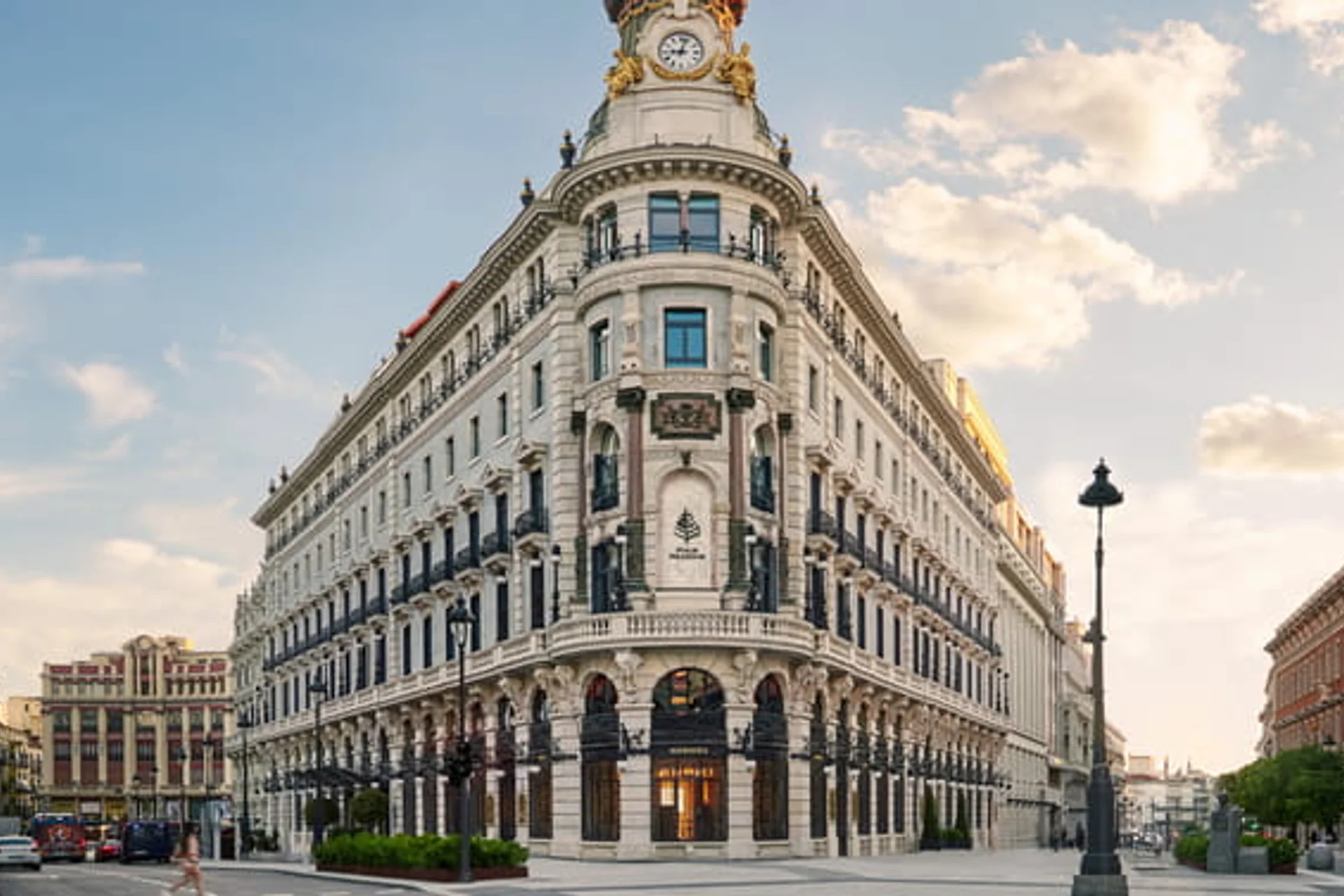
Siete edificios históricos, una experiencia extraordinaria
Boutique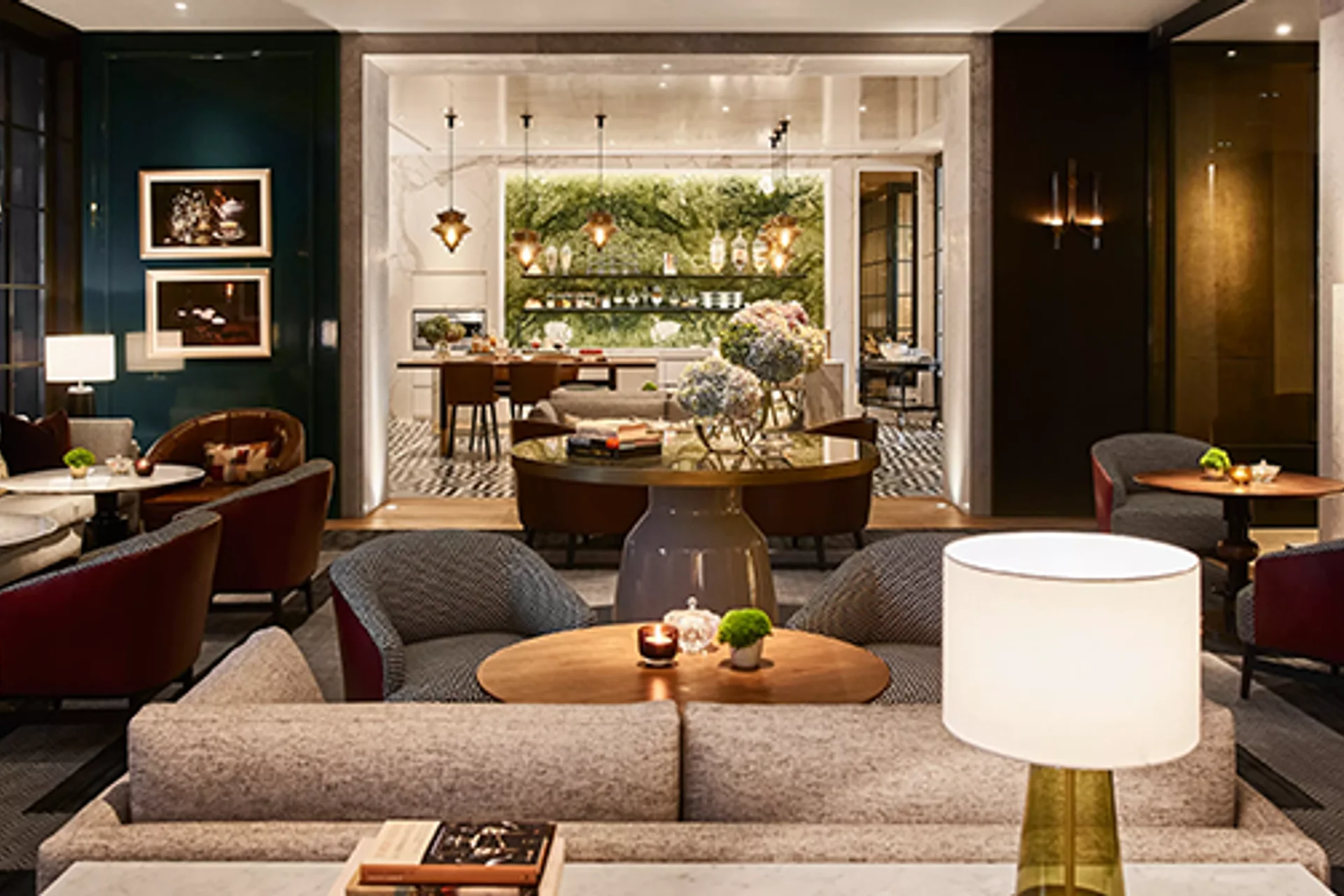
Elegancia mid-century en el corazón del Madrid elegante
Boutique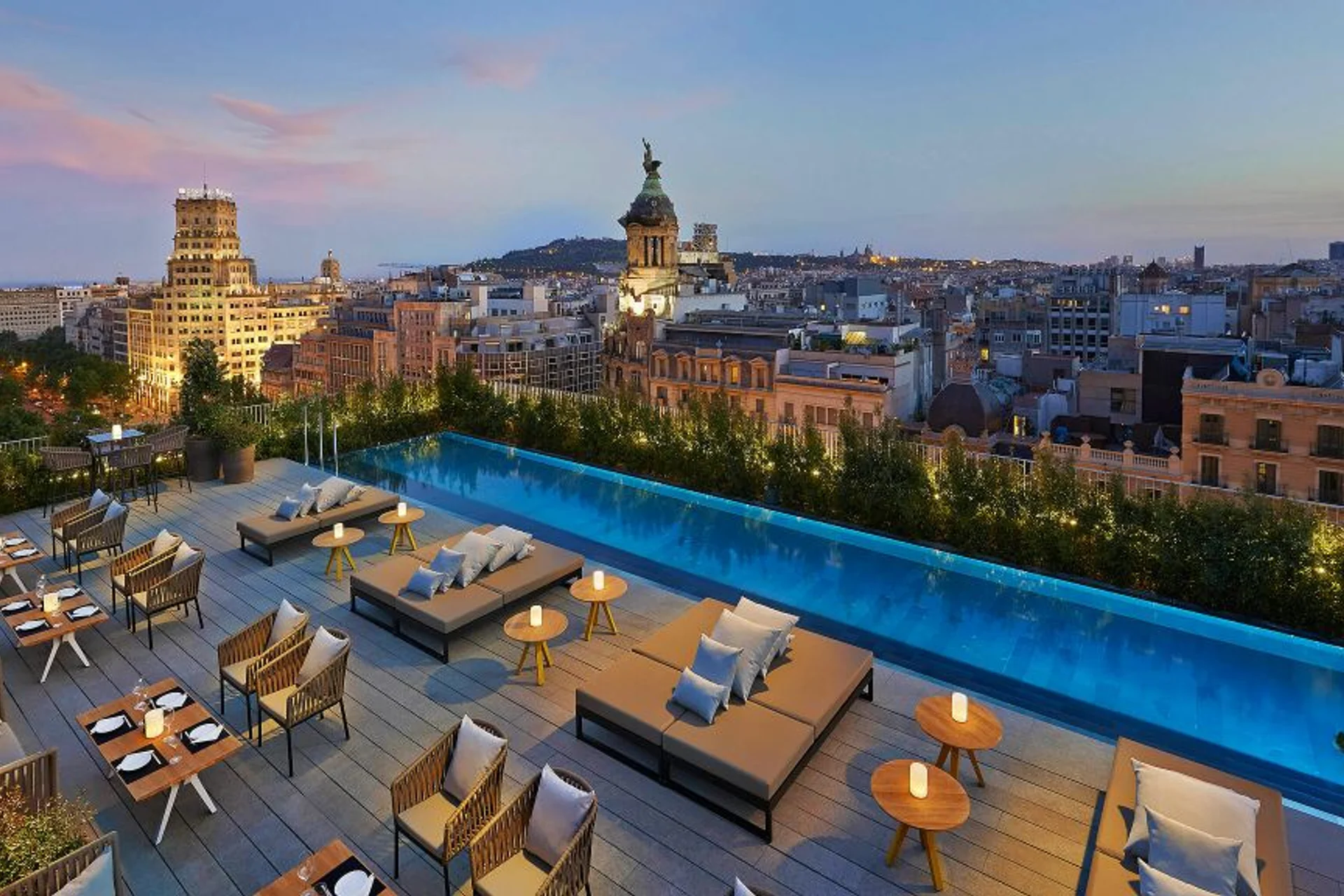
Diseño de autor en el corazón del Passeig de Gràcia
Design Hotel