#4
€€€€
Gastronomy & Wine•Wellness|Sardón de Duero, Castilla y León
Abadía Retuerta LeDomaine
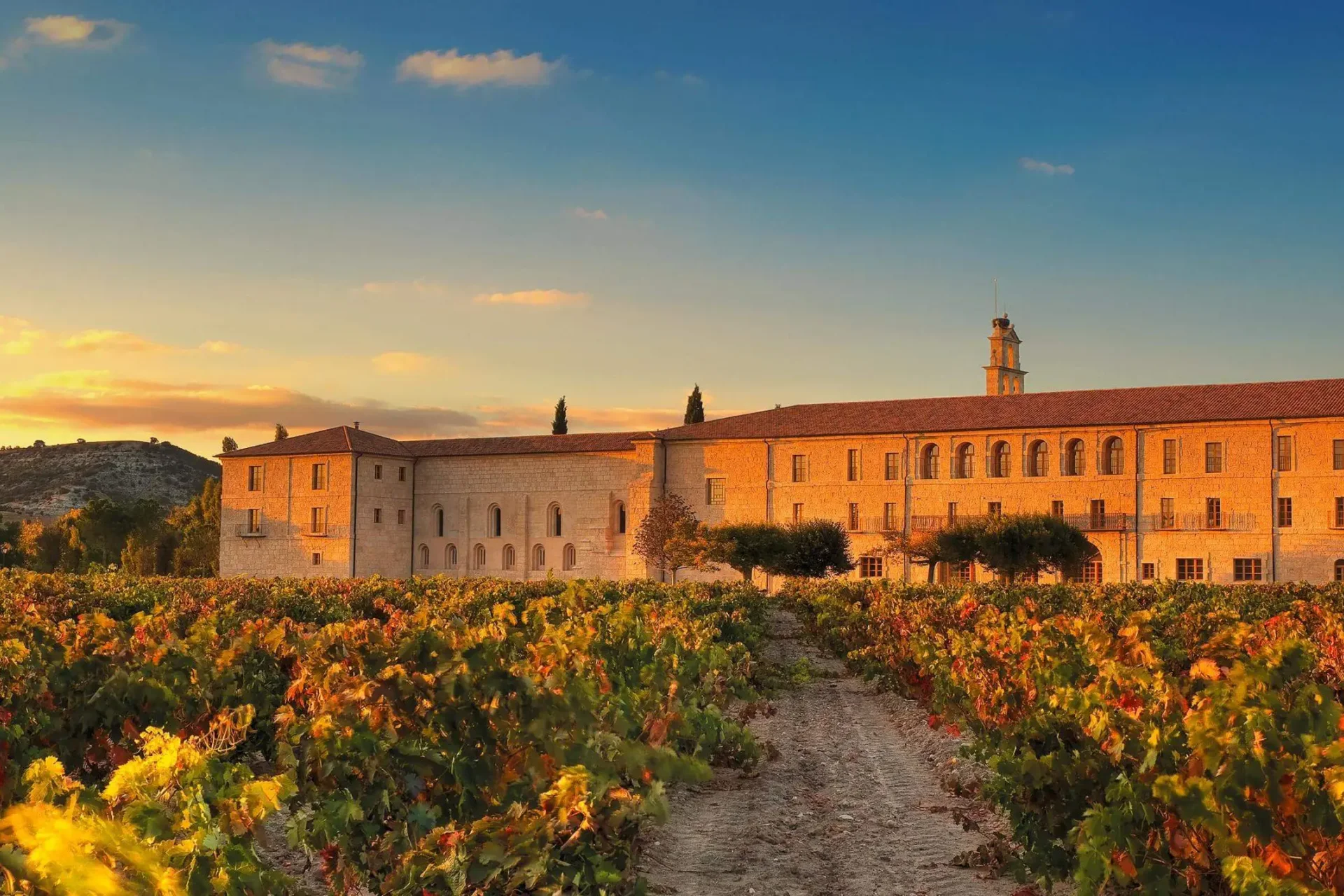
Una abadía del siglo XII entre viñedos del valle del Duero
Wine Hotel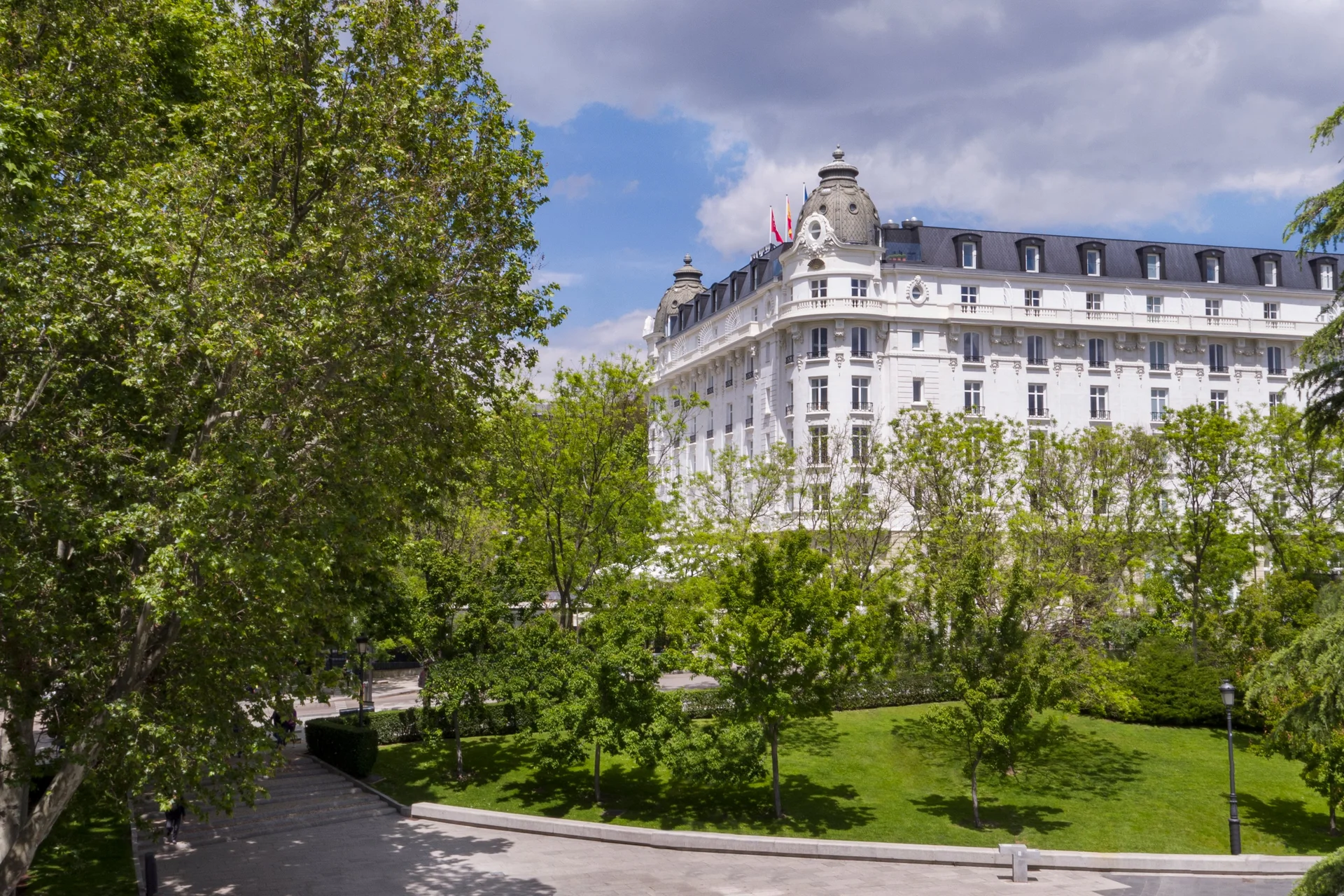
“Madrid's grand hotel, reinvented for the 21st century”
The Ritz Madrid, now run by Mandarin Oriental, has been part of Spanish hotel history for more than a century. After a three-year restoration, the largest in its history, it reopened in 2021 and pairs its Belle Époque legacy with contemporary interiors and 3 Michelin Keys, the guide's highest hotel distinction.
A table at El Jardín del Ritz, open year-round when the weather allows, with tapas and cocktails in the open air a stone's throw from the Prado Museum.
Highest hotel distinction
Over a century of history
Five stars in the 2026 Forbes Travel Guide
The Hotel Ritz Madrid was born of the determination of King Alfonso XIII, who after his travels around Europe wanted to give the capital a luxury hotel worthy of the continent's great cities. It was built on the site of the old Tívoli theatre and opened by the king himself and Queen Victoria Eugenia on 2 October 1910. César Ritz took part in the project and, despite his delicate health, his team made sure his standards of elegance and service were upheld. The hotel was a pioneer in its day: 24-hour room service, ten bathrooms per floor and a glass dome over the winter garden. During the Spanish Civil War it stayed open and served at the same time as a war hospital. The dome was badly damaged and closed in the 1940s; it remained hidden for eighty years, until Mandarin Oriental's restoration, completed in 2021, brought it back.
Architect
Charles Mewès (original), Rafael de La-Hoz & Gilles & Boissier (restoration)
Construction
1910
Restoration
2021
The plans are by Charles Mewès, architect of the Ritz Paris, and the work was carried out by Spanish architects Luis de Landecho and Lorenzo Gallego; according to the hotel itself, it was the first building in Spain with a steel structure. In the largest renovation in its history, completed in 2021, Spanish architect Rafael de La-Hoz and Paris studio Gilles & Boissier kept the Belle Époque character and gave the rooms and suites a classic-contemporary residential style. The most visible change is the recovery of the glass roof over the Palm Court, which once again fills the former winter garden with natural light.
Madrid
The hotel stands on Plaza de la Lealtad, opposite the Madrid Stock Exchange and right on the Paseo del Prado, the axis of the so-called Art Triangle. The Prado Museum and the Thyssen-Bornemisza are two to five minutes away on foot, Retiro Park a few minutes, and the Reina Sofía a quarter of an hour's walk. The Paseo del Prado and the Retiro make up the Landscape of Light, a UNESCO World Heritage Site since 2021, and all around lies the Jerónimos neighbourhood, one of the quietest in the city centre.
The hotel likes to recall that it was César Ritz who brought afternoon tea to Madrid: the Palm Court serves it every afternoon beneath the glass roof, in a version revisited by Quique Dacosta.
Two long menus by Quique Dacosta, Histórico and Contemporáneo, served in the Alfonso XIII salon overlooking the garden; the Histórico combines signature dishes from his restaurant in Dénia with Deessa's own creations. On weekdays there is a shorter version, the Chronos menu.
A Sunday buffet lunch bearing Quique Dacosta's signature, served in one of the hotel's salons or on the terrace when the weather allows.
Personalised facial and body treatments in the underground spa, with private treatment rooms, a double suite for couples, a heated pool, a vitality pool, experience showers and a steam bath.
Classic-contemporary room overlooking the inner courtyard, with dark oak floors and a bathroom clad in white Dolomite stone with an Emperador marble floor.
Two-bedroom suite in one of the historic turrets, with a vaulted-ceiling living room and two private terraces overlooking the Prado Museum.
Suite in one of the turrets, on the third floor, with an entrance hall, circular bedroom, living and dining room, dressing room and a bathroom with steam bath.
The hotel's flagship suite: it takes up an entire floor of one of the historic towers, with two private entrances, a dining room for eight, a kitchen, butler service and works by contemporary artists.
3 Michelin Keys
Michelin Guide
Highest hotel distinction
Forbes Travel Guide Five-Star
Forbes Travel Guide
Luxury hotel
2 Michelin Stars - Deessa
Michelin Guide
Gastronomic restaurant (second star in the 2023 Guide, still held)
Nomadiq Score
From
700€/night
Una abadía del siglo XII entre viñedos del valle del Duero
Wine Hotel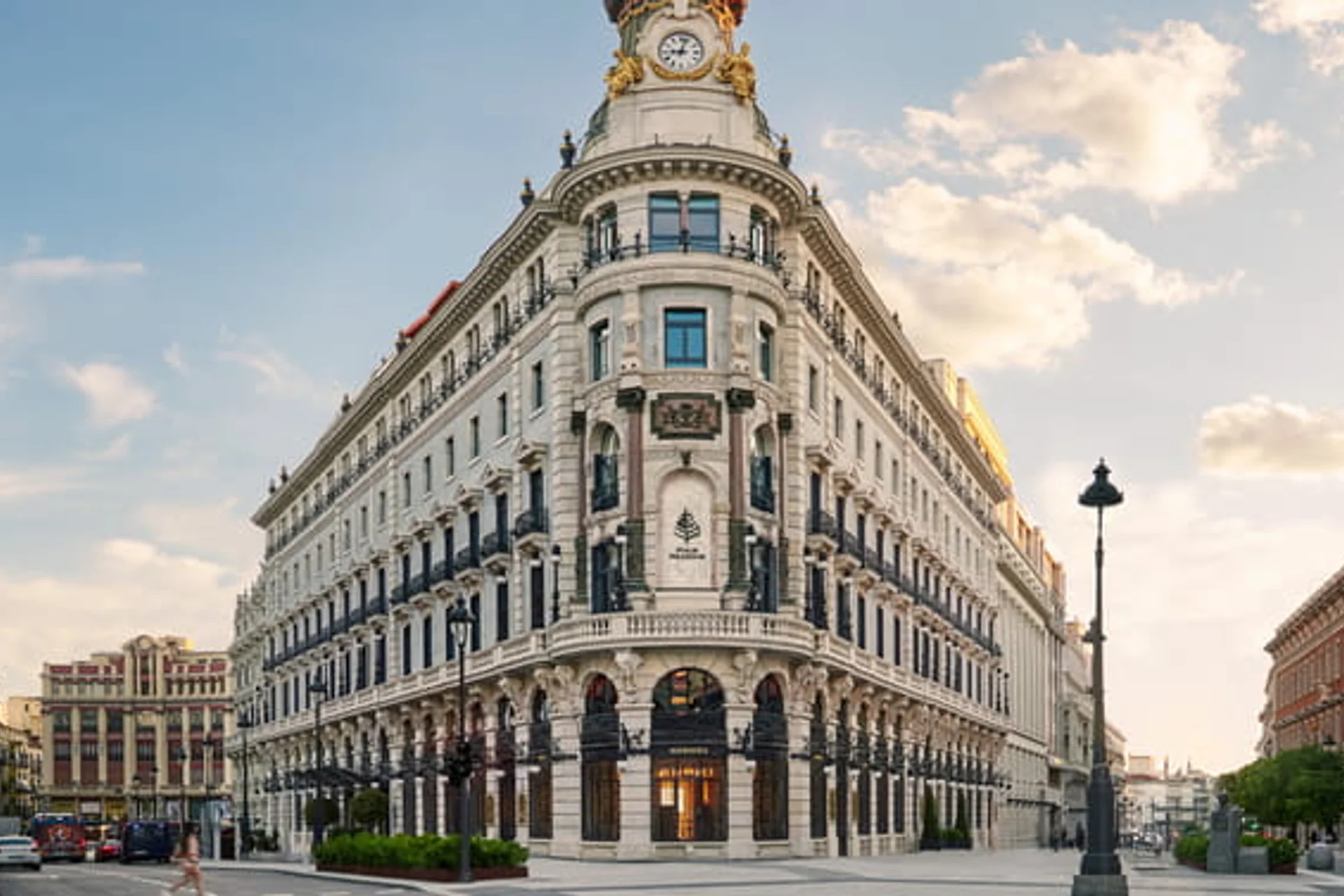
Siete edificios históricos entre la Puerta del Sol y el barrio de las Letras
Grand Hotel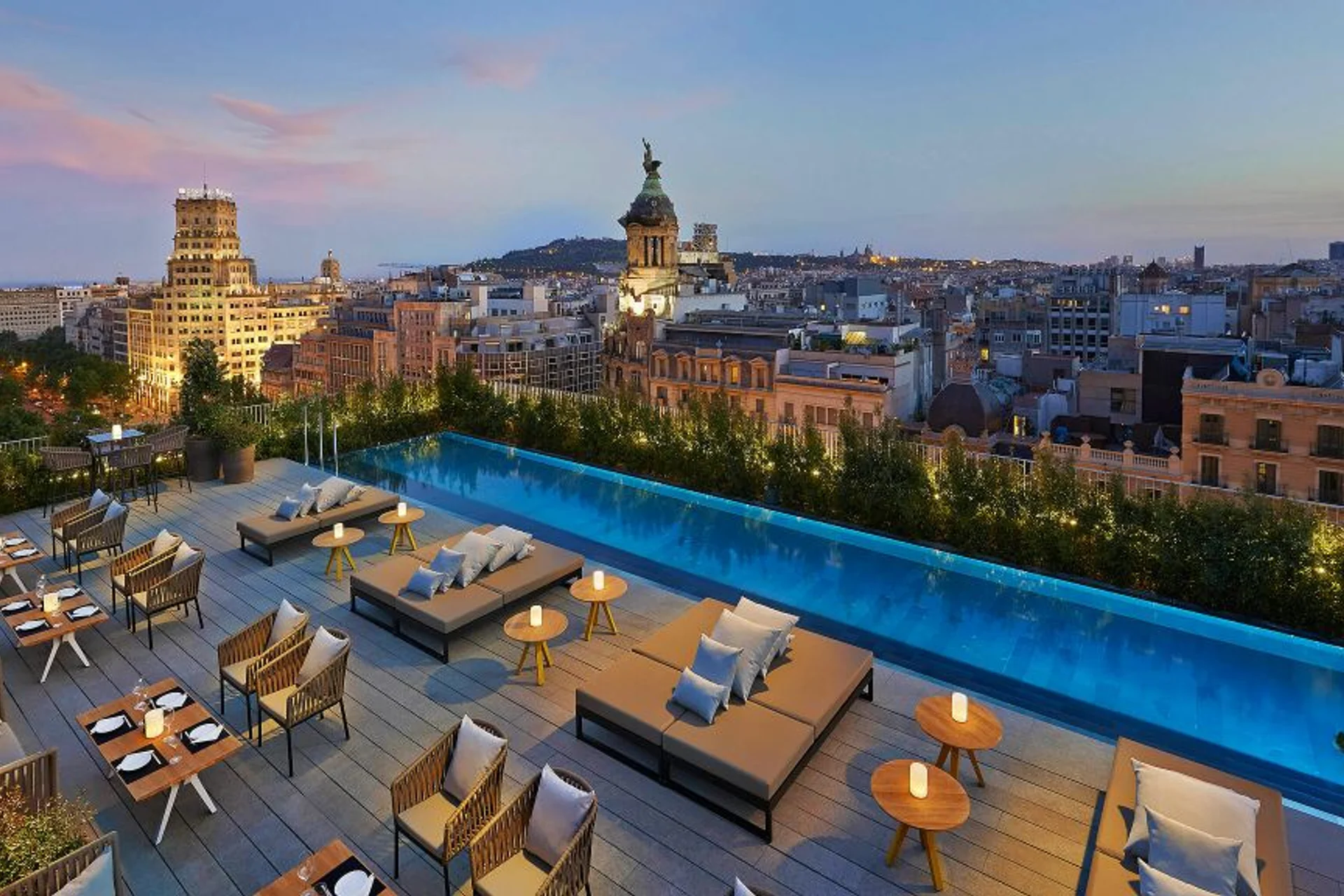
Diseño de autor en el corazón del Passeig de Gràcia
Design Hotel
El primer Rosewood de España, entre cedros centenarios en la Castellana
Grand Hotel