#1
€€€€
Urban•Gastronomy & Wine|Madrid, Madrid
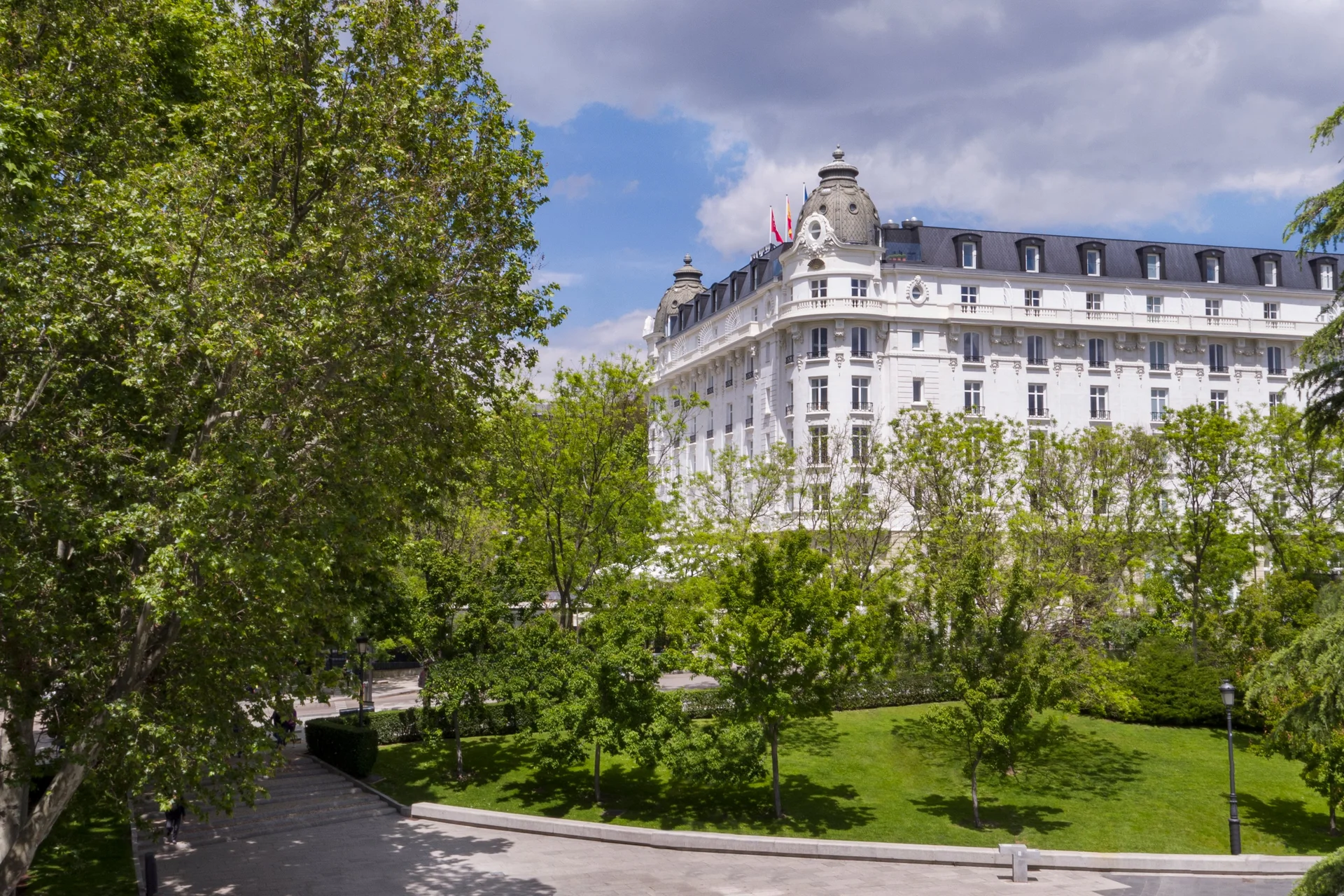
Mandarin Oriental Ritz, Madrid
El gran hotel de Madrid, reinventado para el siglo XXI
Historic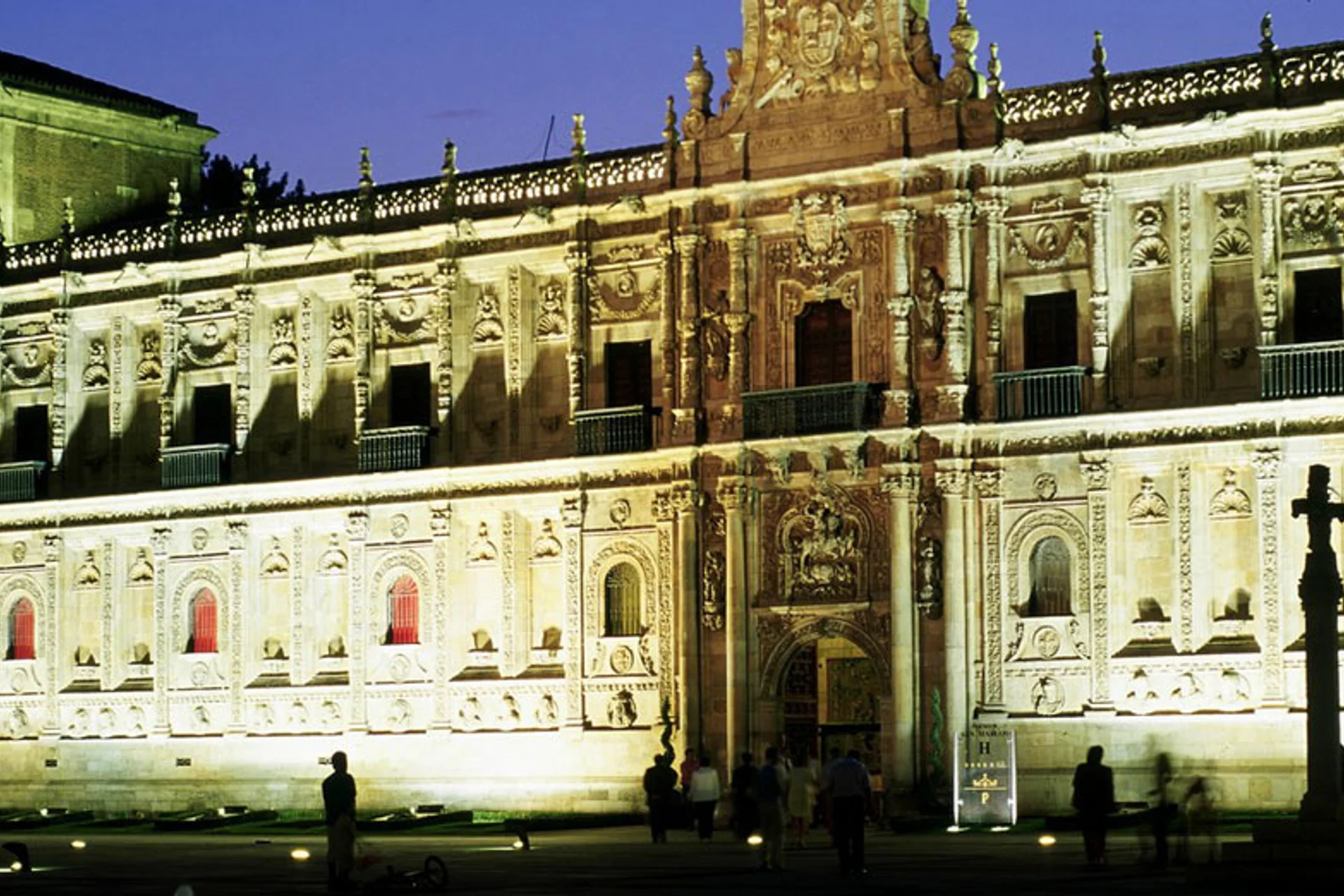
“The jewel of plateresque art on the Way of St. James”
The Parador de León occupies the former Hostal de San Marcos, a 16th-century monastery that is the ultimate expression of Spanish Plateresque architecture. Its 100-meter facade is one of the most impressive architectural works in Spain, and its walls, which began in the 12th century as a pilgrims' hospital on the Camino de Santiago, are today one of the great monuments of the Spanish Renaissance.
The Renaissance cloister at dawn and the illuminated Plateresque façade at dusk.
Reopened in 2020 after a full renovation
Masterpiece
Historical stage
The origins of the building date back to the 12th century, in the time of Alfonso VII of León. His sister, the Infanta Sancha of Castile, made a donation in July 1152 to build a modest building on the outskirts of the walled city, on the banks of the Bernesga, where the poor of Christ could stay. This was to be a hospital-temple of refuge for pilgrims traveling the Camino de Santiago. The building was also the main residence of the Order of Santiago in the Kingdom of León. In the 16th century, the medieval building was in poor condition, so it was demolished and a new work was carried out thanks to a concession from King Ferdinand in 1514. The reconstruction, funded from 1514 and undertaken under the reign of Charles I, lasted until 1715 under the auspices of the Order of Santiago; among others, Juan de Orozco, Martín de Villarreal and Juan de Badajoz el Mozo worked on it. Since 1986 it has housed the Parador de León.
Architect
Juan de Orozco, Martín de Villarreal, Juan de Badajoz el Mozo
Construction
1715
Restoration
1986
The Convent of San Marcos is one of the most important monuments of the Renaissance in Spain and one of the greatest architectural jewels of León, along with the Cathedral, the Basilica of San Isidoro and the Casa Botines. In the 16th century, during the reign of Charles V, important reconstruction works were carried out that gave it its present Plateresque style, so called because of its intricate detailing reminiscent of the work of a silversmith (silver in Spanish). The convent church has a Latin cross plan. The sacristy, the work of Juan de Badajoz el Mozo, has 3 starred vaults. Also his are the medallions that decorate the Renaissance and Baroque cloister. Some statues and medallions on the façade represent Jacobean motifs, recalling its function as a pilgrims' hospital.
Castilla y León
The Parador is located on the banks of the Bernesga River, in the Plaza de San Marcos, a few minutes walk from the Gothic Cathedral of Leon with its impressive stained glass windows and the old town. The building is part of the Camino de Santiago route through the city. The Basilica of San Isidoro, with its Royal Pantheon known as the Sistine Chapel of Romanesque architecture, is nearby. Gaudí's Casa Botines completes the city's monumental ensemble.
Tour of the museum integrated in the convent with figures by Juan de Juni, the 16th century choir stalls and contemporary art by Zóbel, Chillida and José Caballero.
Meditative walk through the cloister with medallions by Juan de Badajoz el Mozo and the relief of the Nativity by Juan de Juni.
Rest on the Parador's terrace overlooking the Bernesga River and gardens.
Regional Leonese cuisine (cecina, León black pudding, suckling lamb) at the Rey Don Sancho Restaurant.
Room in the historic building, renovated in 2020, with all modern comforts and decor evoking the history of the monastery.
Superior room in the original 16th century building, overlooking St. Mark's Square.
Spacious suite in the historic building with separate living room, high ceilings and original Renaissance architectural elements.
National Monument
Spanish State
Historical heritage
Nomadiq Score
From
150€/night
El gran hotel de Madrid, reinventado para el siglo XXI
Historic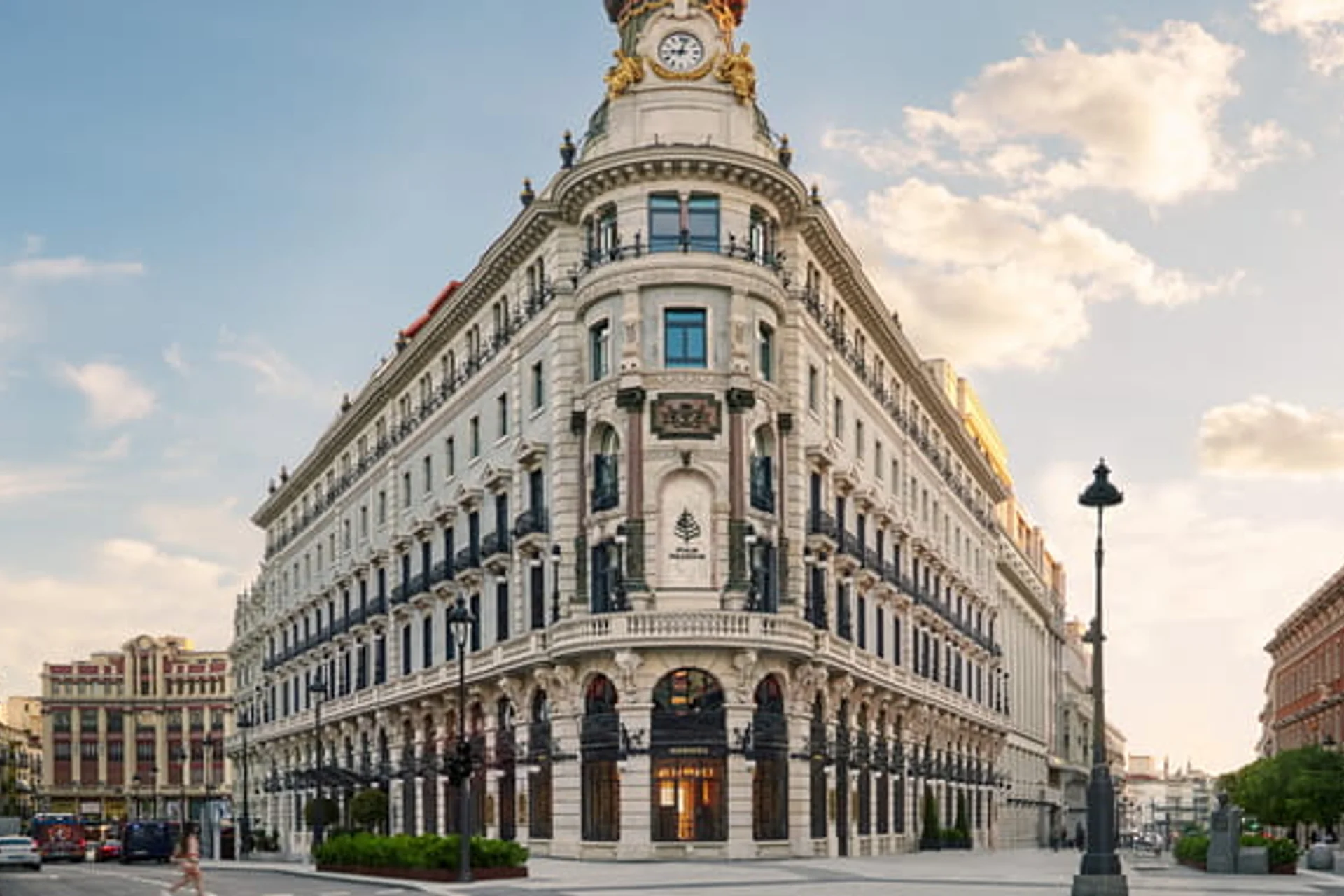
Siete edificios históricos, una experiencia extraordinaria
Boutique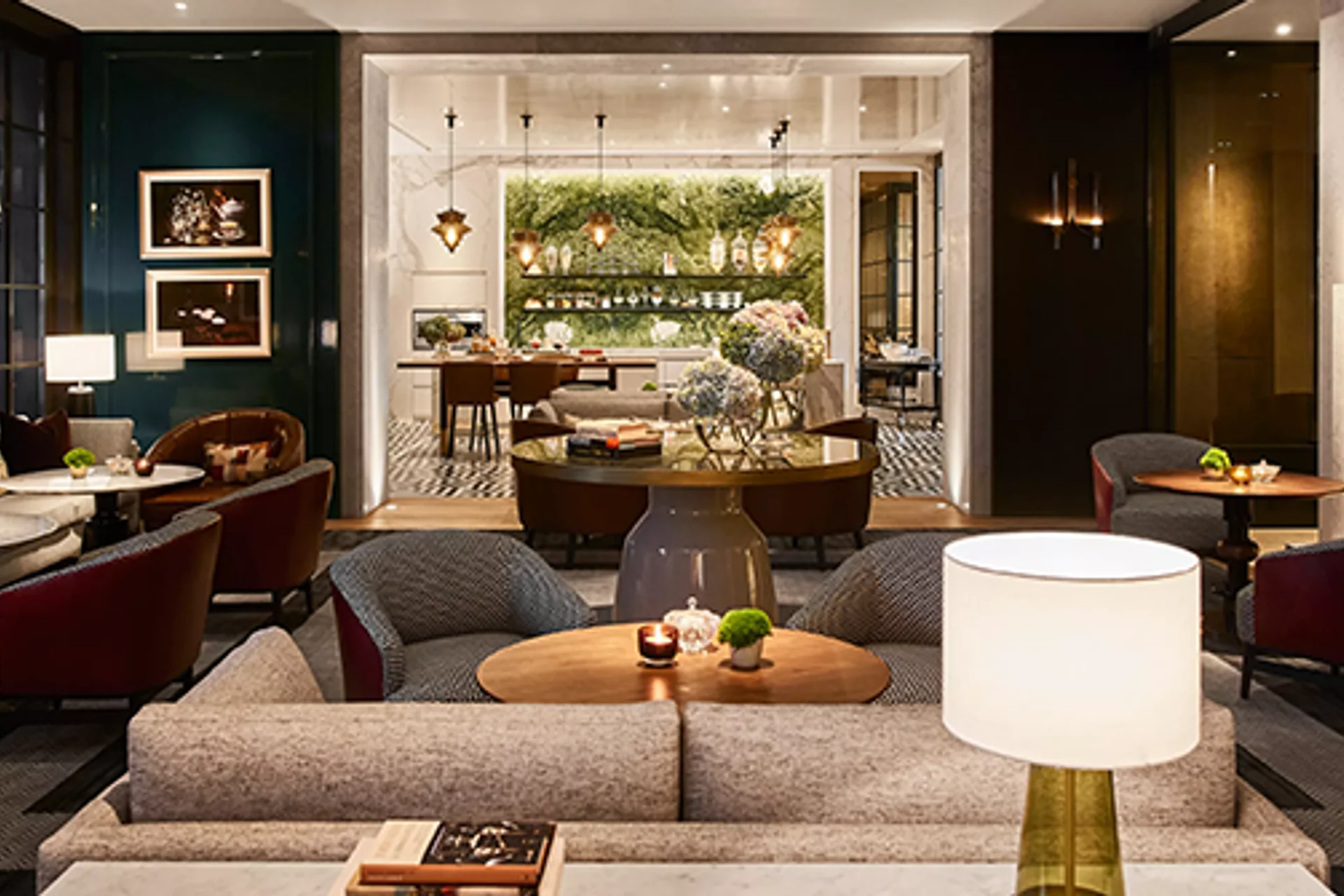
Elegancia mid-century en el corazón del Madrid elegante
Boutique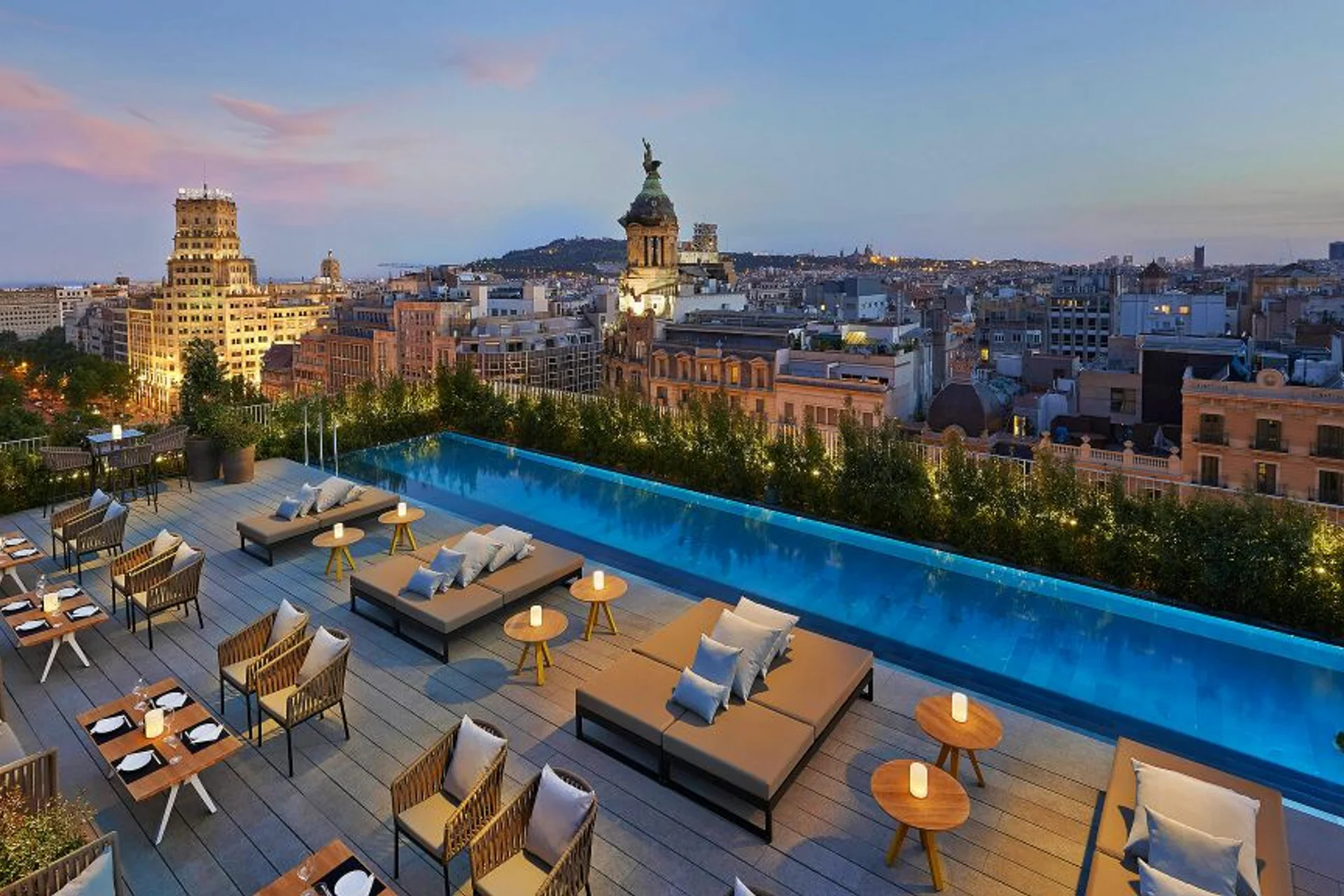
Diseño de autor en el corazón del Passeig de Gràcia
Design Hotel