#1
€€€€
Urban•Gastronomy & Wine|Madrid, Madrid
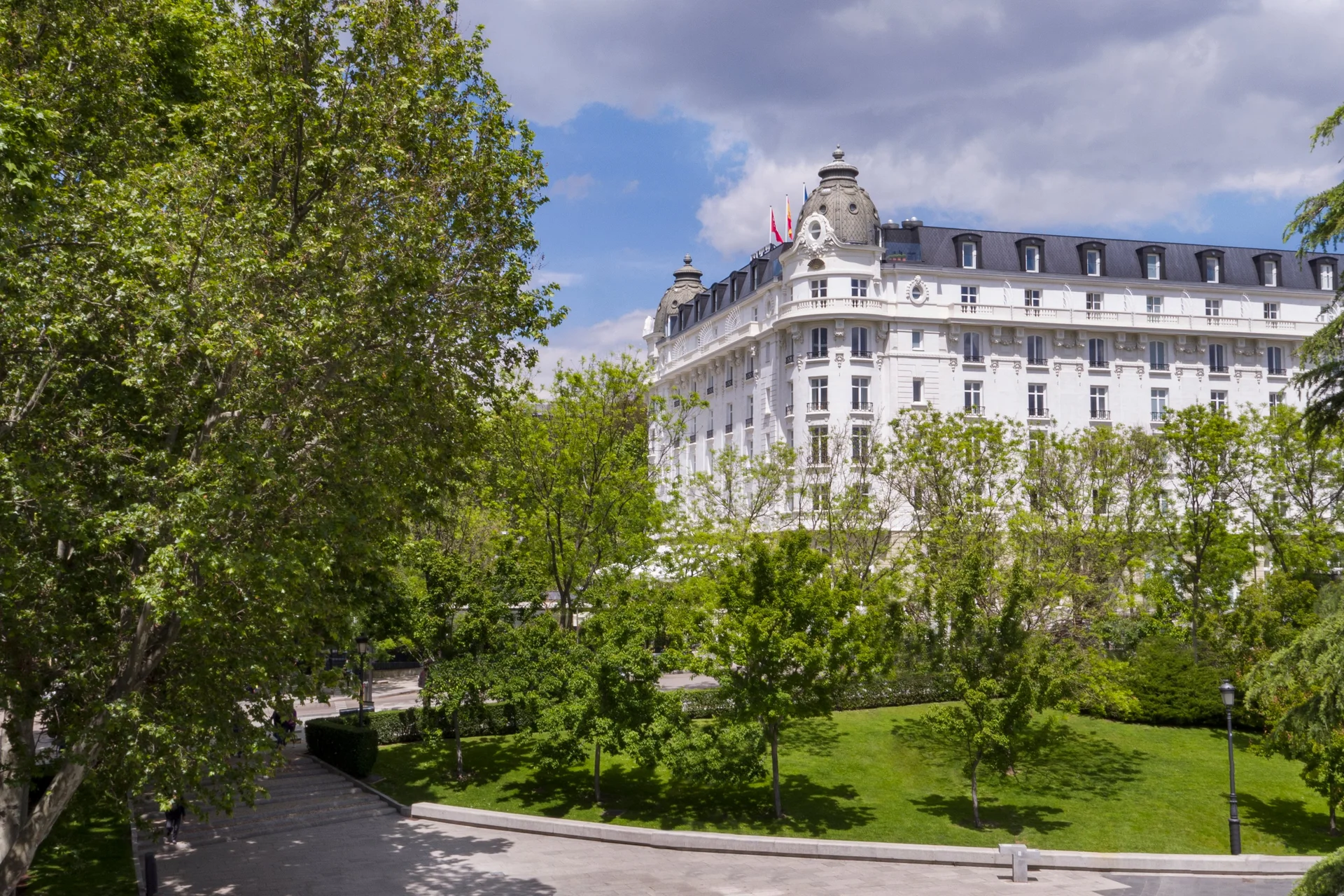
Mandarin Oriental Ritz, Madrid
El gran hotel de Madrid, reinventado para el siglo XXI
Historic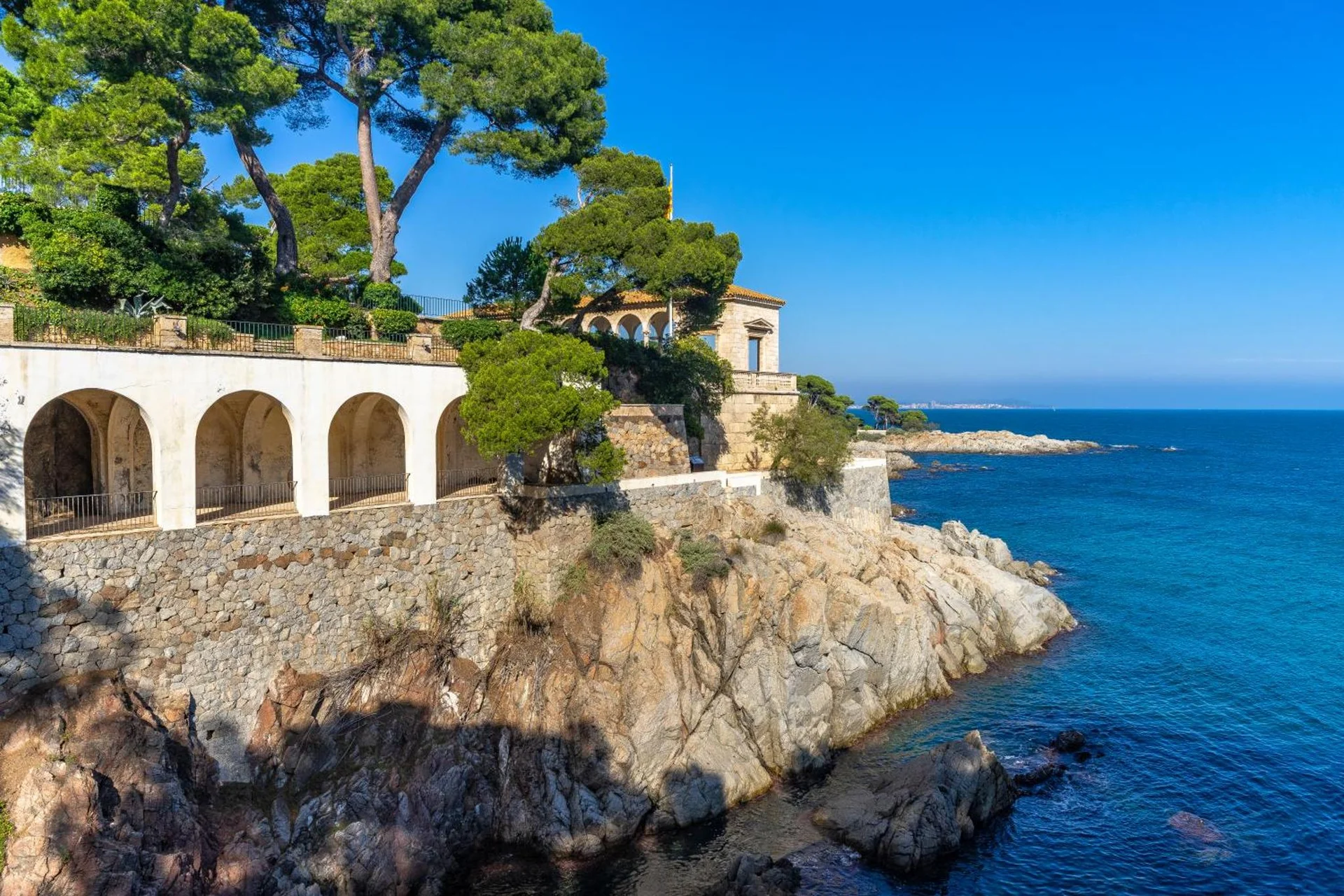
“The grande dame of the Costa Brava, in the same family since 1932”
Hostal de La Gavina opened on 2 January 1932 as the centrepiece of S'Agaró, the garden city that Josep Ensesa i Gubert and the architect Rafael Masó dreamed up over Sant Pol bay. It started with 11 rooms; today it has 76, furnished with antiques the family has gathered on its travels, a seawater pool above the Mediterranean and the Candlelight restaurant. The fourth generation of the Ensesas keeps its golden-age air intact.
A morning at the Garbí pool, beside Rebull's Venus, and at sunset the Camí de Ronda that Ensesa himself had built.
Fourth Ensesa generation
Noucentista architecture
Seawater above the bay
In the early 1920s the businessman Josep Ensesa i Gubert became obsessed with the stretch of coast between Sant Pol bay and Sa Conca, then almost uninhabited, and persuaded his father to buy the land. With the architect Rafael Masó i Valentí he conceived a garden city there for a cultured, elegant clientele: the first house, Senya Blanca, went up in 1922, and ten years later, on 2 January 1932, Hostal de La Gavina opened with 11 rooms at 25 pesetas a night. Ensesa soon found it too small and began to enlarge it. The name comes from the seagulls of the bay (gavina is Catalan for seagull), and the word "hostal" was deliberately kept to evoke the hospitality of traditional Catalan inns. The post-war Costa Brava turned the hotel into a film-world retreat: S'Agaró was a location for Pandora and the Flying Dutchman, with Ava Gardner, and Suddenly, Last Summer, with Elizabeth Taylor. Between 1935 and 1958 its clay courts hosted an international tennis tournament. Today it is run by Julia, Virginia, Carina and Josep Ensesa Viñas, the family's fourth generation.
Architect
Rafael Masó i Valentí (proyecto original)
Construction
1932
Rafael Masó i Valentí, a central figure of Catalan Noucentisme, designed the first Gavina as a restrained, carefully studied building with the features he wanted for all of S'Agaró: porticoes, towers, terraces and low roofs that echo the traditional architecture of the coast. After his death in 1935, the garden city and the hotel itself kept growing in a grander vein. The arcaded entrance with its red canopy has become the hotel's signature image. Inside, the family always did without interior designers: the first floor gathers religious objects and Castilian furniture, the second Asian antiques and oriental prints, and the third a Mediterranean decor. Rooms mix classic Mediterranean, Empire and Isabelline styles, with silk upholstery, Murano glass lamps and Italian marble bathrooms. Outside, the 25-metre Garbí seawater pool overlooks the bay like the deck of an ocean liner.
Cataluña
S'Agaró, in the municipality of Castell-Platja d'Aro in the Baix Empordà, is a private estate of villas among pine trees that celebrated its centenary in 2024 and has been nicknamed the Beverly Hills of the Costa Brava. The hotel sits between two beaches, Sant Pol and Sa Conca, and at its feet begins the Camí de Ronda, the coastal path lined with tamarisks and pines whose first stretch Ensesa himself had built, leading cove by cove towards Sant Feliu de Guíxols and Palamós. In summer, Sant Pol beach brings back bathing huts inspired by those of the 1920s. Inland lies the Empordà, with medieval villages such as Pals, Peratallada and Monells, while the coast strings together Calella de Palafrugell, Llafranc and Tamariu. Girona, with its Jewish quarter and cathedral, is half an hour away, as is its airport; Barcelona is an hour away on the AP-7.
The hotel's fine-dining restaurant, with Romain Fornell as culinary director and Oriol Fernández, who trained with Alain Ducasse, in charge of daily service.
A walk along the first stretch of the Costa Brava coastal path, laid out by Josep Ensesa, past coves, tamarisks and cliffs.
Indoor pool overlooking Sant Pol bay, sauna, Turkish bath and Valmont facial treatments.
Private outings on a D29 De Antonio, the hotel's partner, to discover the hidden coves of the coast.
Room with Mediterranean views and classic decor featuring antiques from the family collection
Suite furnished in Louis XV style, the most classical expression of the house's decor
Iconic Hotel of the Year
European Hotel Awards
Iconic hotel
Nomadiq Score
From
350€/night
El gran hotel de Madrid, reinventado para el siglo XXI
Historic
Fortaleza militar del siglo XIX convertida en refugio de lujo
Historic
Elegancia andaluza frente al Mediterráneo
Resort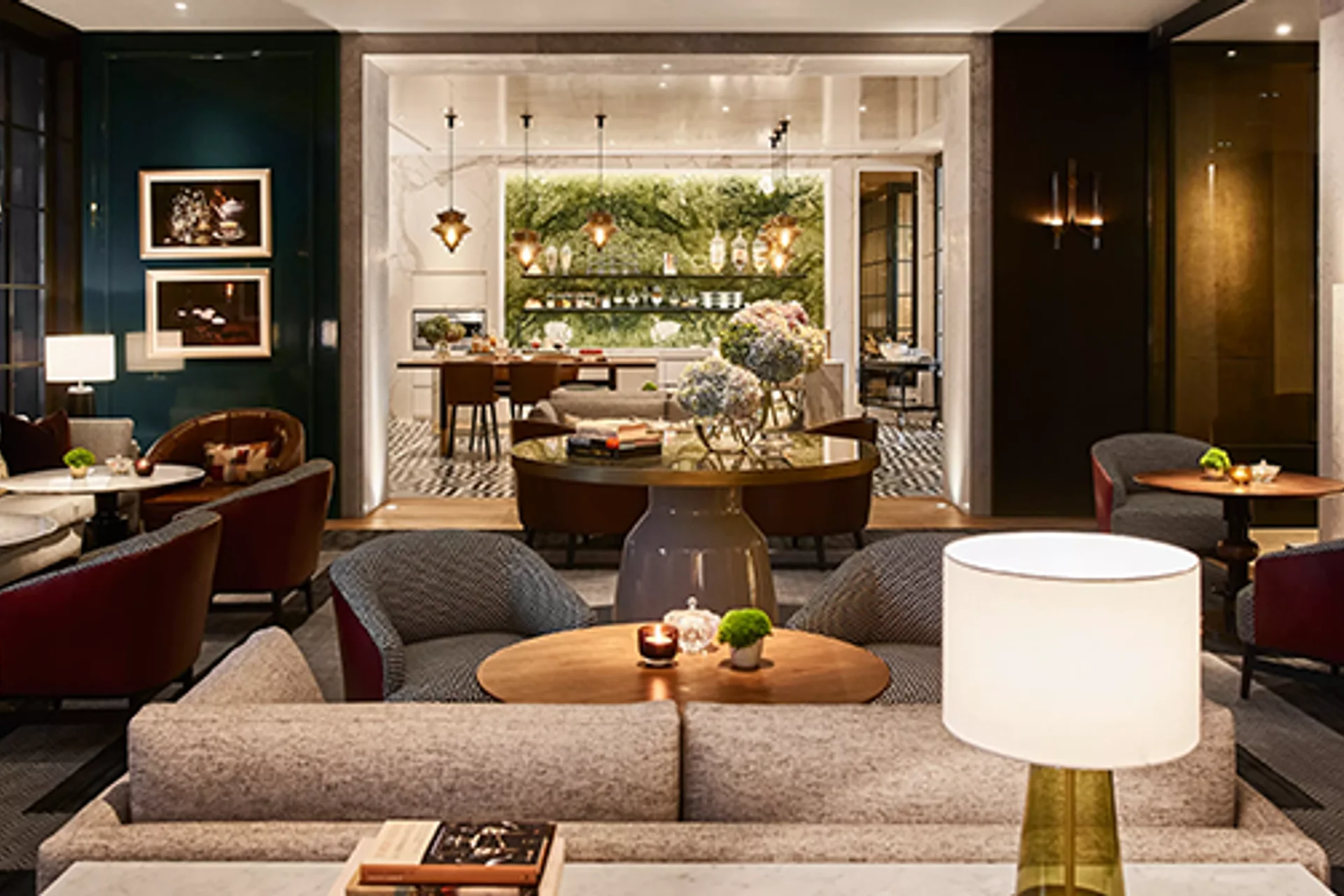
Elegancia mid-century en el corazón del Madrid elegante
Boutique