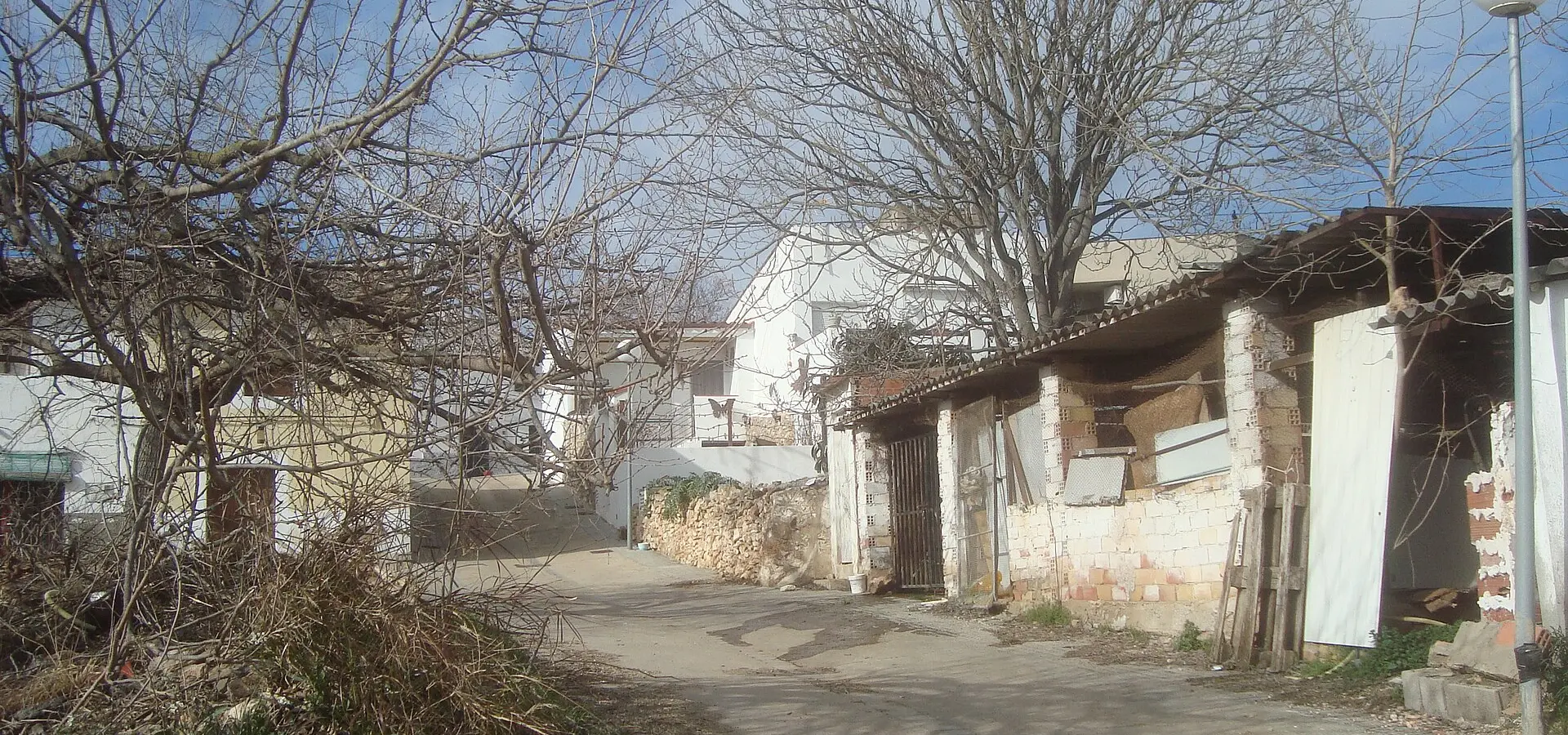
Vilafamés and Coves de Vinromà
Best Season
Good route for almost all year round. Hot but bearable summer. Spectacular in February with almond blossom.
Quiet route through the interior of Castellón with a visit to Vilafamés, a village of reddish stone considered one of the most beautiful in Spain, and a relaxed route along the Pla de l'Arc.
Highlights
- 1Vilafamés: red-stone village with a contemporary art museum
- 2Traffic-free regional roads across the Pla de l'Arc
- 3Almond trees in bloom in February–March
- 4Well-preserved medieval architecture
About this route
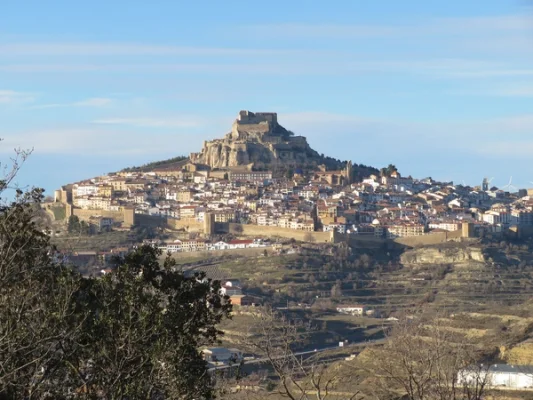
Vilafamés is probably the most chromatically striking town in the entire province of Castellón. Its distinctive reddish hue — so intense that on golden-light days the houses seem to literally glow — is due to a unique geological feature: the town's buildings are constructed from rodeno stone quarried locally, a Triassic red sandstone that was used as building material for centuries. The result is a townscape completely unified in colour and form, declared a Historic-Artistic Heritage Site in 1968, that looks as though it belongs in Jordan or some hidden corner of the Moroccan Atlas rather than the Valencian interior.
What is most surprising about Vilafamés, however, is that within this medieval village of barely 1,400 inhabitants sits one of the most interesting contemporary art museums in all of Spain: the Museo Popular de Arte Contemporáneo (MPAC). It was founded in 1969 on the initiative of a group of Valencian and Aragonese painters (among them Vicent Castell and Manolo Mompó) who decided to donate their own works to create a cultural space in this remote Maestrazgo village. Today it houses over 600 works by leading 20th-century Spanish artists — Tàpies, Saura, Genovés, Equipo Crónica, Arroyo — and the combination of avant-garde art with the town's reddish medieval architecture creates one of the most fascinating cultural contrasts in Valencia.
The Roca Roja, the reddish limestone crag that dominates the town and gives it its character, is another must-see attraction. At the top stand a small medieval hermitage and a 13th-century defensive watchtower, and from there panoramic views open up across the entire Pla de l'Arc plain, the Sierra de Espadán to the south, and the inland Castellón counties to the north. Riding up to the nearest car park and then walking about 200 metres on foot is a small effort that any curious rider should make.
The Pla de l'Arc, the plain surrounding Vilafamés, has an interesting agricultural distinction: it is one of the few areas in the Valencia region where extensive almond and olive groves are still cultivated in the traditional way, without irrigation, relying solely on rainfall. In February and early March, the almond trees in bloom create an absolutely spectacular colour landscape — pale pink against the red earth — comparable to the famous display in the Valle del Jerte in Cáceres but on a more intimate scale. For the photography-loving rider, this is probably the best time of year to visit the area.
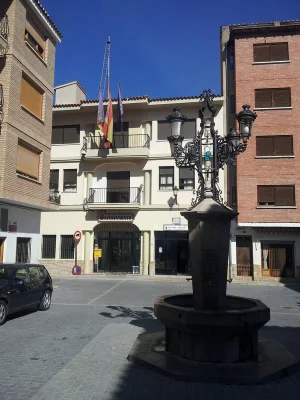
Practical riding notes: the route is relaxed (no major mountain passes, comfortable distances, good tarmac) and ideal for a short weekend outing from Castellón or Valencia. The regional roads across the Pla de l'Arc (CV-160, CV-165, CV-15) are perfect for easy riding with no traffic and frequent stops in villages. Fill up in Castellón at the start. For dining, Mesón El Rullo in Vilafamés — in a narrow lane in the old quarter — serves oven-roasted lamb and Valencian arroz al horno (a dry oven-baked rice dish, different from paella) at affordable prices. And a tip: combine a visit to the MPAC (closes at 14:00 on weekdays) with a coffee on the terrace of Bar Cova in the Plaza Mayor, one of the most photogenic squares in the Valencian interior.
Route stops
Vilafamés
Village
A village of reddish stone, one of the most beautiful in Spain.
Les Coves de Vinromà
Village
Baix Maestrat village with cobbled streets.
Practical information
Weather
Good route for almost all year round. Hot but bearable summer. Spectacular in February with almond blossom.
Traffic
Very low traffic. Ideal for beginners on inland routes.
Fuel stops
Petrol stations in Cabanes and at the exit/arrival in Castellón.
Where to stay on this route
The towns this route passes through — useful for splitting it into stages or sleeping near the start. Book ahead in high season.
- VilafamésSee places to stay
- Les Coves de VinromàSee places to stay
- Castellón de la PlanaSee places to stay
Affiliate links: if you book through them, Nomadiq earns a small commission at no extra cost to you.