Alto Maestrazgo: Culla, Vistabella and Penyagolosa
Best Season
Possible snow and ice from November to April. Summer may bring afternoon storms. Best ridden in the mornings from May to October.
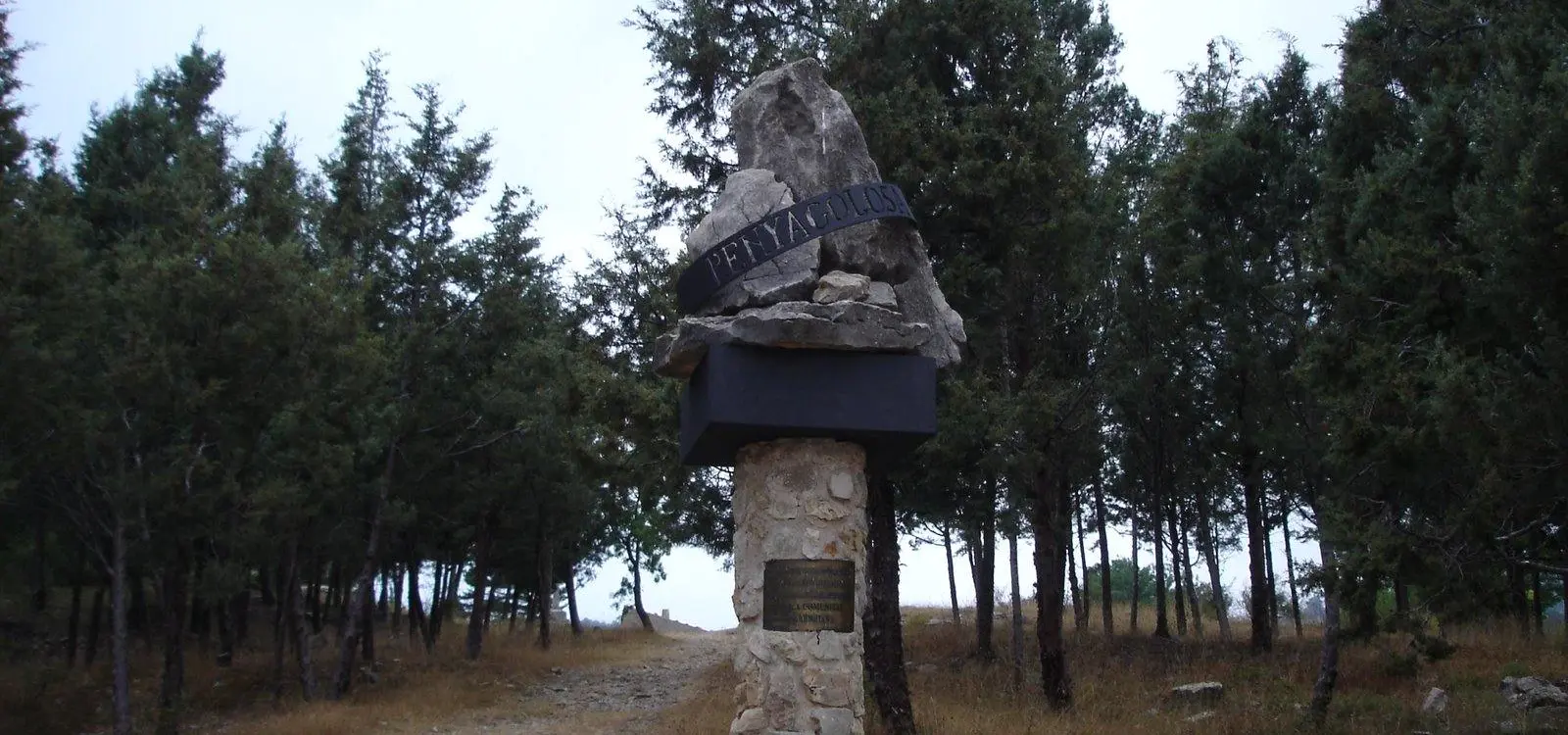
The highest route in the Valencian Community. It climbs to the foot of Penyagolosa (1,813 m) passing through Culla and Vistabella, two of the most beautiful inland villages, along technical mountain roads.
Highlights
- 1Culla: one of the prettiest villages in Spain
- 2Vistabella del Maestrazgo: the highest village in the Valencian Community
- 3Sant Joan de Penyagolosa: a sanctuary at the foot of the Maestrazgo’s highest peak
- 4Mountain roads with no traffic
About this route
Penyagolosa (1,813 m) is the highest peak in the entire Valencian Community and one of the peaks steeped in the most cultural symbolism in the east of the Iberian Peninsula. For the inhabitants of inland Castellón, it is practically a sacred mountain: for centuries it has been a geographical, spiritual and economic landmark for the entire region. Its unmistakable silhouette — an isolated pyramidal summit towering more than 500 metres above the surrounding peaks — has led to its appearance in coats of arms, local legends and, even today, in one of the oldest and most popular religious pilgrimages in the whole of Spain: ‘Els Pelegrins de les Useres’, which every April takes dozens of pilgrims on foot from Les Useres to the sanctuary of Sant Joan at the foot of Penyagolosa.
The sanctuary of Sant Joan de Penyagolosa, situated at an altitude of 1,270 metres right at the foot of the peak’s southern face, is probably one of the most authentic spiritual sites in the east of the Iberian Peninsula. Founded in the 14th century as a hostel for transhumant shepherds crossing the Maestrazgo, it was rebuilt as a sanctuary in the 18th century and today serves as a place of worship, a mountain refuge and an interpretation centre for the natural park. The road leading up to it is narrow, challenging and absolutely spectacular: it winds through a limestone gorge with hairpin bends and gradients that reach 12 per cent in some sections, offering views of the north face of Penyagolosa at every clearing in the woodland.
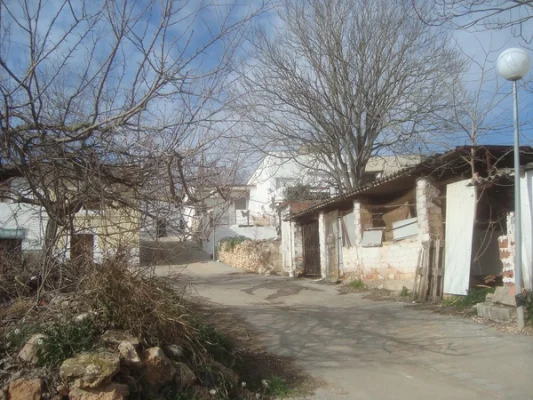
Vistabella del Maestrazgo, the area’s main town, holds an unexpected official record: at an altitude of 1,249 metres, it is the highest municipality in the entire Valencian Community, higher than any town in Alicante or Valencia. This results in a climate that is completely atypical for the region: in winter it snows frequently (sometimes up to two metres), in summer the nights are cool (15–18°C), and the motorcycling season is strictly limited to the summer months (May to October). The village itself is tiny (barely 350 winter residents), with stone houses clustered around the parish church and an intact medieval town layout.
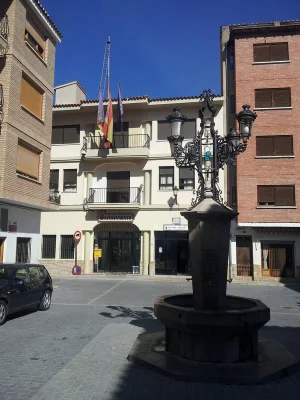
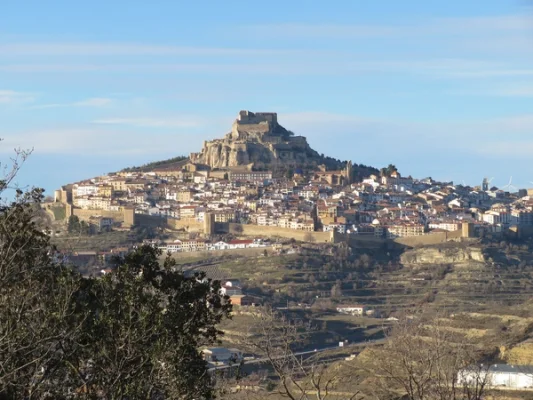
Culla, another unmissable village on the route, has officially been on the list of ‘Spain’s Most Beautiful Villages’ since 2018, and this inclusion is entirely justified. Perched atop a limestone outcrop with 360° panoramic views, it boasts a virtually intact medieval historic centre: a Moorish castle (11th century) at the very top, a 15th-century parish church, stone houses with carved wooden balconies, cobbled alleyways and a porticoed Plaza Mayor that is one of the most beautiful in the Valencian hinterland. The village has a rich history: during the 13th century, it formed the border between the Crown of Aragon and the Muslim kingdom of Valencia, and later became the seat of one of the most important Templar commanderies in the kingdom.
Motorcycling tips: this route is physically demanding (over 160 km of technical roads with significant gradients) and requires careful planning. The season runs from May to October; at other times of year, snow and ice are common at higher altitudes. Fill up as much as possible in Castellón before heading up: in the Alt Maestrat there are only two petrol stations in operation (Atzeneta del Maestrat and Vistabella) and their opening hours can be unpredictable. For lunch, in Vistabella, the Mesón Casa Blasco serves roast lamb and migas pastoriles at reasonable prices. And a tip: if you climb up to the sanctuary of Sant Joan, spend at least 30 minutes exploring the surrounding area on foot: the views of the north face of Penyagolosa, especially at dawn, are unforgettable.
Route stops
Culla
Village
Medieval village perched on a crag, one of the most beautiful in Spain.
Vistabella del Maestrazgo
Village
The highest municipality in the Valencian Community at 1,249 m.
Sant Joan de Penyagolosa
Monument
Historic sanctuary at the foot of Penyagolosa (1,813 m).
Practical information
Weather
Possible snow and ice from November to April. Summer may bring afternoon storms. Best ridden in the mornings from May to October.
Traffic
Virtually no traffic. Watch out for narrow stretches where passing an oncoming car can be tricky.
Fuel stops
Fill up fully in Castellón. Fuel station in Atzeneta del Maestrat.
Where to stay on this route
The towns this route passes through — useful for splitting it into stages or sleeping near the start. Book ahead in high season.
- CullaSee places to stay
- Vistabella del MaestrazgoSee places to stay
- Sant Joan de PenyagolosaSee places to stay
Affiliate links: if you book through them, Nomadiq earns a small commission at no extra cost to you.