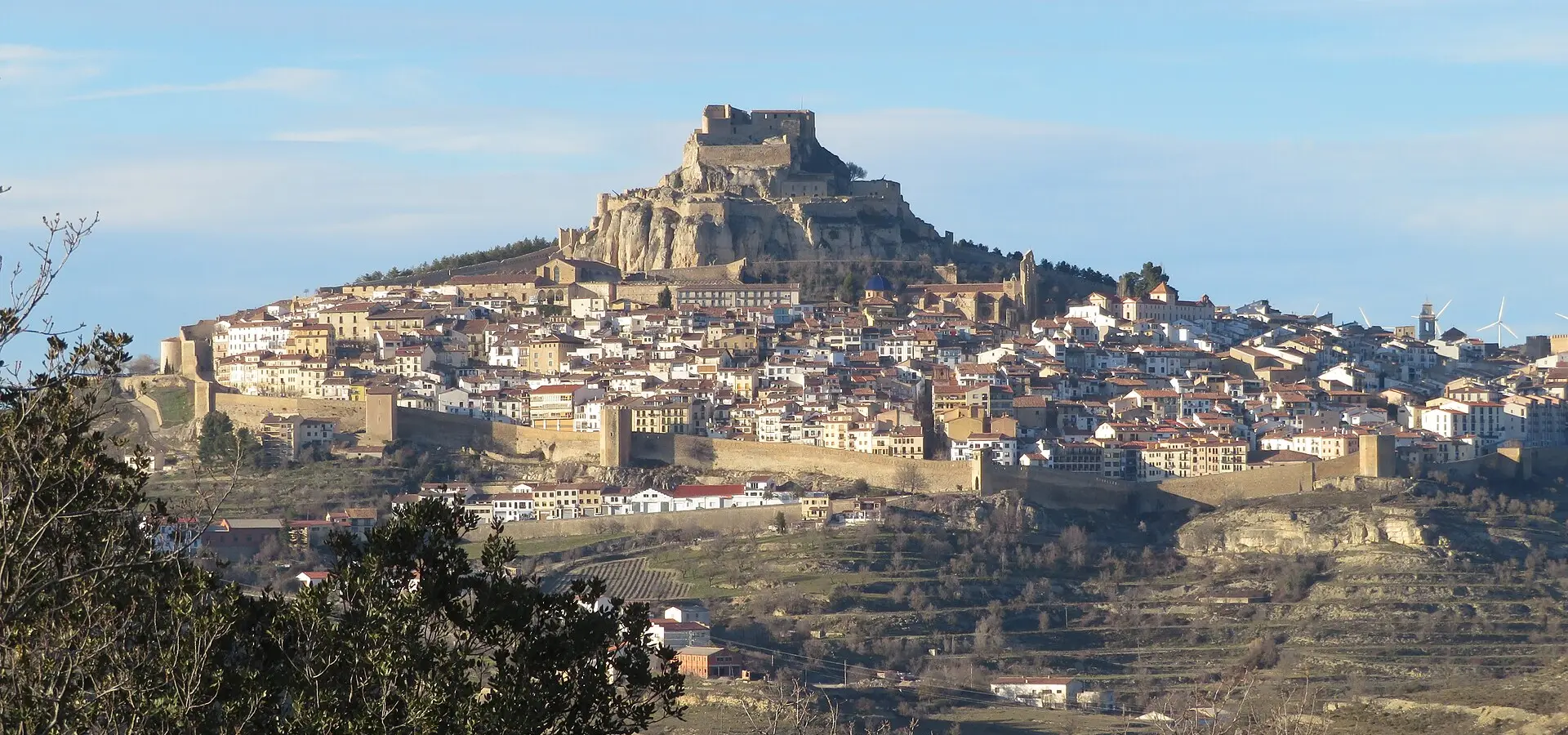
Port of Ares - Morella
Best Season
Cold area in winter with risk of ice and snow above 1,000 m. Pleasant summer due to the altitude. Spring and autumn are ideal.
Epic climb to the Puerto de Ares on the CV-15 to Morella, one of the best preserved medieval towns in Spain. Technical bends, endless views of the Maestrazgo and very little traffic.
Highlights
- 1Puerto de Ares (1,320 m): iconic climb through the Maestrazgo
- 2Walled town of Morella: castle and medieval old quarter
- 3CV-15: technical road with very little traffic on weekdays
- 4Panoramic views across the Maestrazgo high plateau
About this route
Morella is probably the most impressive medieval town in the entire Valencia region and yet remains relatively unknown outside the northern Castellón counties. Perched atop a hill at 1,000 metres altitude, completely surrounded by two kilometres of 14th-century walls still intact, crowned by a fortress castle that seems to literally merge with the mountain, Morella is one of those towns that leaves you speechless the first time you see it — especially from the CV-14 ascent. The silhouette of the castle and the church of Santa María outlined against the Maestrazgo sky is probably one of the five most striking medieval views in all of Spain.
What makes Morella unique in Valencian history is its role during the Carlist Wars of the 19th century. The town served as the operational headquarters of General Ramón Cabrera, "the Tiger of Maestrazgo", throughout the First Carlist War (1833–1840), and from here he held military control over the entire northern Valencia region and southern Aragón for years. Morella's walls, castle and strategic position made it a virtually impregnable fortress, and it only surrendered after a months-long siege when hope had all but run out for the Carlists. General Cabrera's legacy is still felt in the town: there are streets, monuments and a small museum dedicated to that turbulent era.
Puerto de Ares (1,320 m), where the CV-15 climbs from the coast, is one of the highest paved mountain passes in the entire Valencia region and one of the least known among riders from northern Spain. Its road — built in the 1950s as a strategic route connecting the coast to the interior — crosses lonely limestone plateaus where the altitude makes itself felt: the wind blows constantly, pine forests give way to high-altitude junipers and savin trees, and in winter there can be snow for weeks on end. The climb is long (over 30 km of continuous ascent), technical and utterly deserted: it is perfectly possible to ride the entire stretch without seeing another vehicle.
The Teruel Maestrazgo, just north of Morella, shares a characteristic unique in all of Spain with its Valencian counterpart: it is the most depopulated and least developed region on the entire eastern side of the peninsula. Entire villages where only ten or fifteen winter residents remain, medieval stone houses abandoned in perfect condition, empty regional roads winding through plateaus and ravines. For the curious rider, this is a treasure: here you can ride for a full hour without encountering anyone, stop at any viewpoint, take impossible photographs, and have the absolute sensation of being in a forgotten corner of the world.
Practical riding notes: Puerto de Ares can have ice and snow from November to April — check conditions beforehand. The optimal season runs from May to October. Fill your tank in Castellón before heading up: petrol stations are very scarce in the interior. For dining, Restaurante Vinatea in Morella (on a side street in the old quarter) serves oven-roasted lamb and local Maestrazgo truffles at affordable prices. And a tip: if you come in winter and are lucky enough to catch market day in Morella (Tuesday), the medieval atmosphere of the town multiplies with the stalls in the Plaza Mayor and locals mingling with the handful of tourists. It is one of those experiences that is hard to find in modern Spain.
Route stops
Albocàsser
Village
A village in Alt Maestrat with an arcaded square and a good spot for a coffee.
Puerto de Ares
Viewpoint
Mountain pass at 1,320 m with spectacular views of the Maestrazgo.
Morella
Monument
Medieval walled town with castle. One of the most beautiful in Spain.
Practical information
Weather
Cold area in winter with risk of ice and snow above 1,000 m. Pleasant summer due to the altitude. Spring and autumn are ideal.
Traffic
Very low traffic all year round. Some cyclists on weekends. Beware of stray cattle in high areas.
Fuel stops
Refuelling in Castellón before leaving. Petrol stations in Albocàsser and Morella.
Where to stay on this route
The towns this route passes through — useful for splitting it into stages or sleeping near the start. Book ahead in high season.
- AlbocàsserSee places to stay
- MorellaSee places to stay
- Castellón de la PlanaSee places to stay
Affiliate links: if you book through them, Nomadiq earns a small commission at no extra cost to you.
Related routes
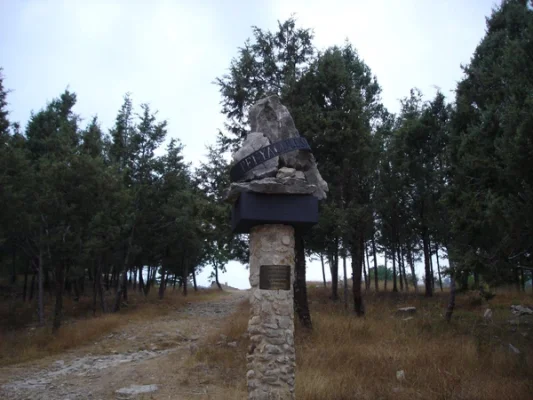
Alto Maestrazgo: Culla, Vistabella and Penyagolosa
Valencian Community
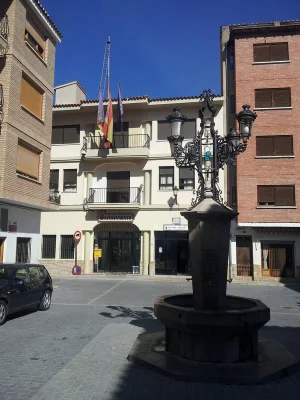
Montanejos - Puebla de Arenoso
Valencian Community
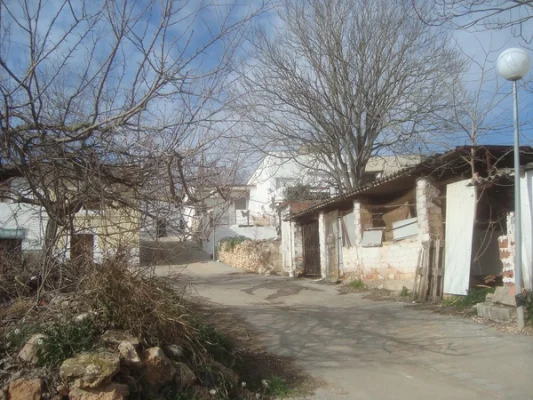
Vilafamés and Coves de Vinromà
Valencian Community
Peñíscola and Sierra de Irta
Valencian Community