Els Ports de Tortosa: The Delta's Wild Interior
Best Season
Continental Mediterranean: cold winters, hot summers. Accessible almost all year.
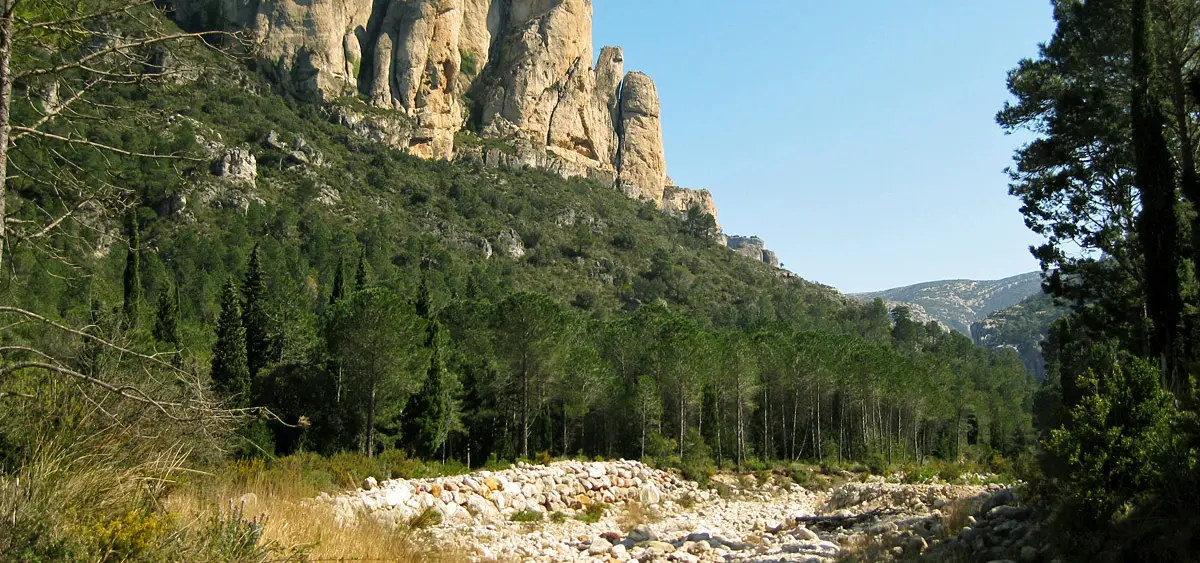
The Ports Natural Park, a limestone massif between Catalunya, Aragón and Valencia. Iberian wild goats, holm oak forests, stone villages and Catalunya's loneliest roads.
Highlights
- 1Els Ports: a limestone massif with wild ibex
- 2Horta de Sant Joan: Picasso's village and Cubism
- 3The emptiest roads in Catalonia
- 4Terra Alta: Modernista "wine cathedrals"
About this route
Els Ports is the great unknown of Catalan geography: a limestone massif rising abruptly to more than 1,000 metres between the Baix Ebre, the Terra Alta and the Aragonese Matarraña, forming a natural barrier that kept the inland Ebro country isolated for centuries. For a rider it is a paradise of empty roads, technical bends and Mediterranean mountain scenery where you can quite plausibly ride for hours without meeting another vehicle.
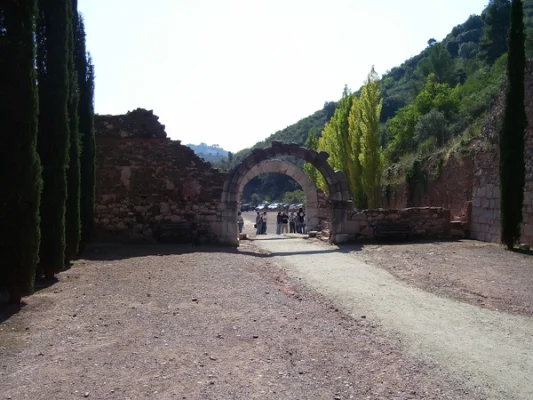
The TV-3022 climbing from Roquetes into the Canaletes river valley is the main way into the heart of the massif: a 25 km ascent through holm oak and pine, endlessly curving, on a road that rarely sees five cars an hour. Up top, the Font Ferrera refuge and the Estrets — the narrows of the Canaletes — offer limestone canyons and woods where the Spanish ibex is so abundant that seeing one on the rocks beside the road is routine.
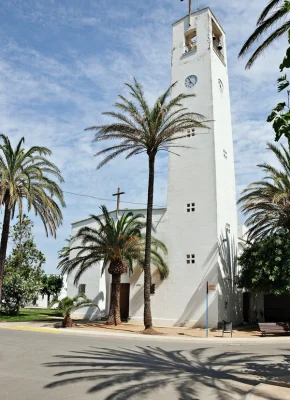
Linking through to the Aragonese Matarraña on the road dropping towards Arnes, Horta de Sant Joan and Vall-de-roures extends the circuit into an extraordinary cross-border run. Horta de Sant Joan is famous because a young Pablo Picasso spent two spells here (1898 and 1909) painting the landscapes of the Serra de Pàndols that fed into the development of Cubism. The Centre Picasso in Horta holds reproductions of the works he painted here.
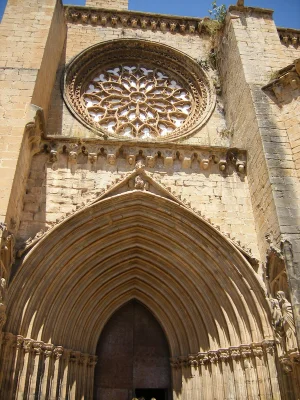
The Terra Alta, the wine district north of Els Ports, produces some of the most interesting and least known wines in Catalonia. The Terra Alta DO specialises in white Grenache — it holds 28% of all the white Grenache in the world — and its Grenache and Carignan reds are powerful and expressive. The Modernista cooperatives designed by César Martinell, a pupil of Gaudí, at Gandesa and El Pinell de Brai are exposed-brick "wine cathedrals" and jewels of Catalan Modernisme.
Practical notes: Els Ports is rideable almost year-round in a continental Mediterranean climate. The roads are technical and narrow, but traffic is minimal. Fuel in Tortosa, Gandesa and Horta de Sant Joan. For a bed, the Hotel Lo Pi in Horta de Sant Joan — a restored old oil mill — has spectacular views. For food, Baix Ebre-Montsià PDO olive oil, cargols (snails grilled a la llauna with allioli) and the wines of the Terra Alta are the star products.
Route stops
Els Estrets del Canaletes
Viewpoint
Narrows of the Canaletes river, limestone canyons.
Horta de Sant Joan
Village
Picasso's village, Picasso Centre and origin of cubism.
Gandesa
Village
Martinell's Modernist cooperative, "wine cathedral".
Practical information
Weather
Continental Mediterranean: cold winters, hot summers. Accessible almost all year.
Traffic
Minimal traffic. Catalunya's loneliest roads.
Fuel stops
Petrol stations in Tortosa, Gandesa and Horta de Sant Joan.
Where to stay on this route
The towns this route passes through — useful for splitting it into stages or sleeping near the start. Book ahead in high season.
- Horta de Sant JoanSee places to stay
- GandesaSee places to stay
- TortosaSee places to stay
Affiliate links: if you book through them, Nomadiq earns a small commission at no extra cost to you.