Priorat: vineyards and winding roads
Best Season
Very hot summer. Spectacular in September during the grape harvest.
The most prestigious wine region in Catalonia combined with the best curvy roads in the south. Falset, Gratallops, Scala Dei and a route designed to enjoy the bike.
Highlights
- 1Steep-slope vineyards of the D.O.Q. Priorat
- 2Cartoixa de Scala Dei: birthplace of the Priorat
- 3Gratallops and La Vilella Baixa
- 4Sierra de Montsant: bends and scenery
About this route
The Priorat is one of only two Qualified Designations of Origin in Spain (the other being Rioja). That highest category recognises something anyone driving through these Tarragona back roads understands immediately: some of the most prestigious red wines in the world are made here, on a par with the greats of Bordeaux, Burgundy or California. The explanation lies in a unique geological combination: the soils of the Priorat are formed of "llicorella," a fragmented metamorphic black slate that retains the heat of the sun during the day and releases it at night, allowing the grapes to ripen with an extraordinary concentration of aromas and tannins. The vines, moreover, are ancient (some over 100 years old) and yields per hectare are absurdly low — barely 1 kg of grapes per vine, compared to the usual 3-5 kg — which explains the stratospheric prices some Priorat wines fetch at international auctions.
The curious thing is that the modern Priorat as an elite wine region is a very recent invention. Until the 1980s, the area was in full decline: century-old vineyards lay abandoned, villages were depopulated, wine production was artisanal and of mediocre quality, sold in bulk to Catalan wineries. The revolution began in 1989 when a group of five visionary winemakers — among them René Barbier (of Clos Mogador), Álvaro Palacios (Clos Dofí, now Finca Dofí) and Carles Pastrana — decided to bet on recovering the old vineyards and producing wines of the highest quality. Ten years later, the Priorat was a global brand. Today there are more than 300 wineries and the most expensive bottles can cost 500 to 1,000 euros.
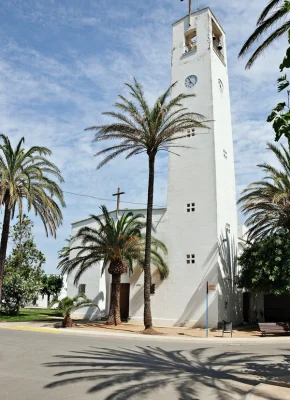
Gratallops is the symbolic capital of the modern Priorat: this is where René Barbier established his Clos Mogador in 1979 and where it remains to this day. The village is tiny (barely 200 inhabitants) but walking its steep streets and gazing at the vineyards clinging to the slopes around it is enough to grasp the miracle: how grapes are grown in soils where technically nothing should be able to grow. La Vilella Baixa, another wine village nearby, preserves the most authentic old quarter in the area: narrow, vertical, with houses of dark stone and intact medieval doorways.
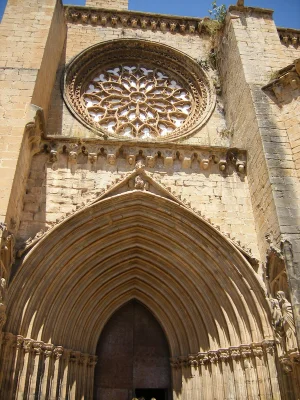
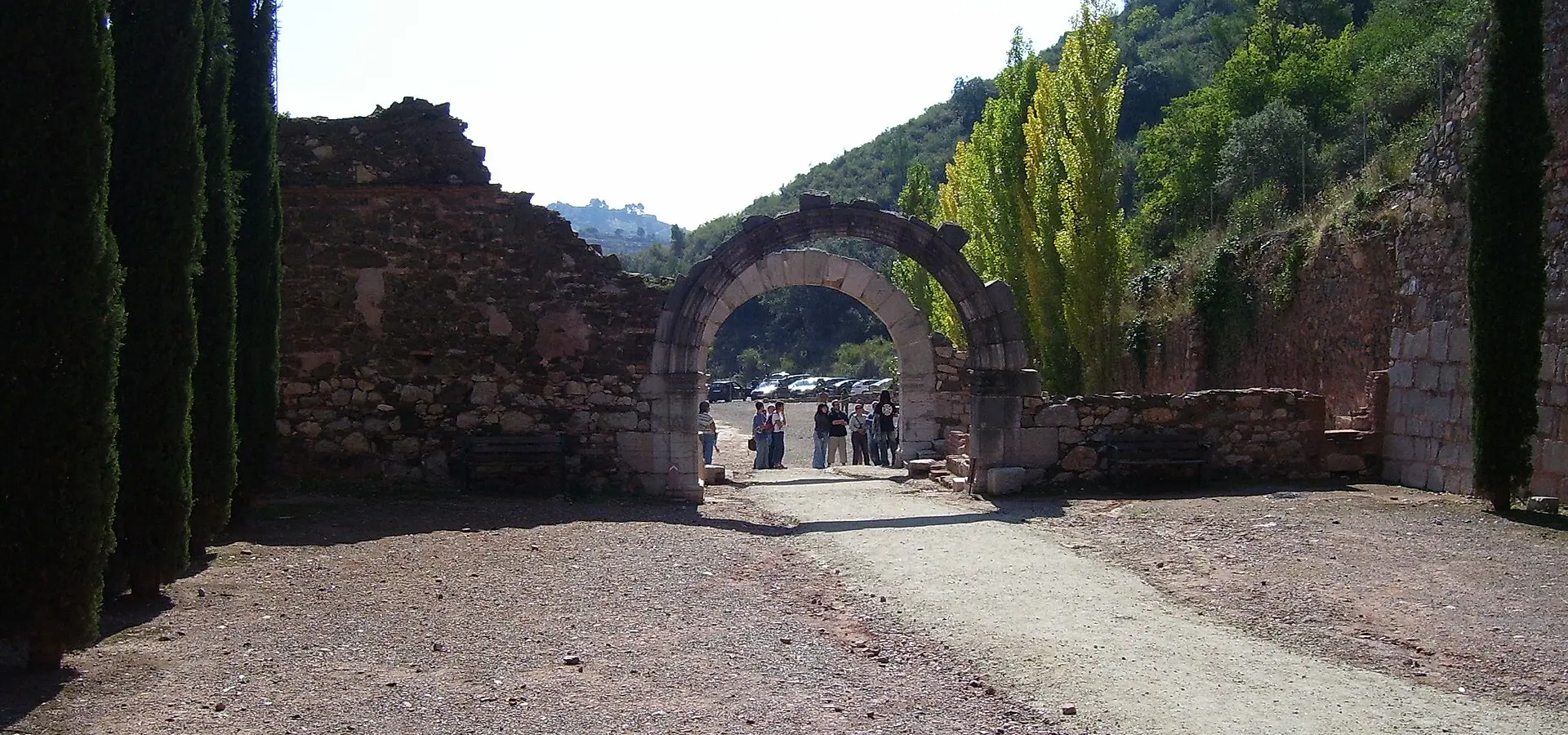
The Cartoixa de Scala Dei deserves a visit as an essential historical reference. It was the first Carthusian monastery built on the Iberian Peninsula (12th century), brought from France by monks seeking a place of extreme seclusion. Here, the Carthusians planted the first vines in the area and developed the winemaking techniques that, eight centuries later, the modern Priorat winemakers have recovered and modernised. The monastery was confiscated and abandoned in the 19th century and is now partially restored, but wandering through its ruins in silence, surrounded by vineyards on all sides, is an evocative experience.
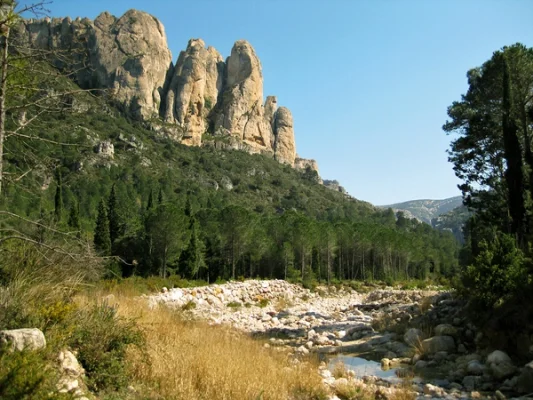
For the rider, the T-710 between Falset and Gratallops, and the minor local roads leading to La Vilella Baixa, Porrera or Torroja del Priorat, are small, technical, nearly empty and utterly photogenic. The landscape is brutally vertical: terraced vineyards on slopes that seem impossible, perched villages, deep-cut valleys. The best season is spring and autumn (summer is far too hot). In September the grape harvest is underway and many wineries open their doors for visits. For a complete gastronomic experience, book a table at Cellers de Gratallops (modern Catalan cuisine with the finest Priorat wine list in the area). And a wine tip: if you want to take home a memorable bottle without breaking the bank, try Clos Mogador or L'Ermita by Álvaro Palacios. They are out of reach for many, but there are also highly affordable options of outstanding quality such as those from Mas Doix or Vall Llach.
Route stops
Gratallops
Village
Emblematic village of the oenological Priorat.
Cartoixa de Scala Dei
Monument
Medieval Carthusian monastery, origin of Priorat wine.
Cornudella de Montsant
Village
Village under the Montsant mountain range.
Practical information
Weather
Very hot summer. Spectacular in September during the grape harvest.
Traffic
Low traffic. More wine tourists at weekends.
Fuel stops
Petrol stations in Falset and Cornudella de Montsant.
Where to stay on this route
The towns this route passes through — useful for splitting it into stages or sleeping near the start. Book ahead in high season.
- GratallopsSee places to stay
- Cartoixa de Scala DeiSee places to stay
- Cornudella de MontsantSee places to stay
Affiliate links: if you book through them, Nomadiq earns a small commission at no extra cost to you.