#1
€€€€
Urban•Gastronomy & Wine|Madrid, Madrid
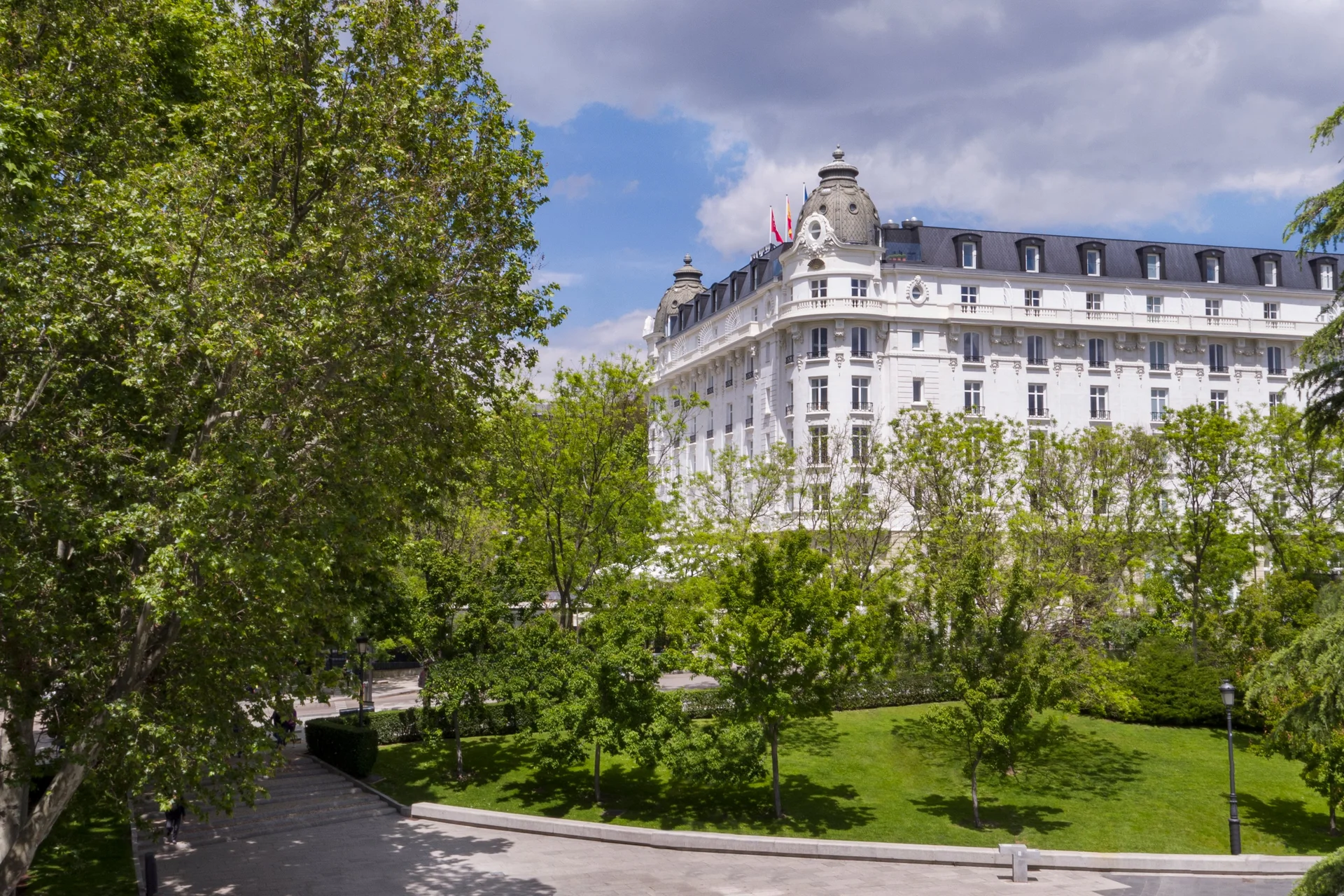
Mandarin Oriental Ritz, Madrid
El gran hotel de Madrid, reinventado para el siglo XXI
Historic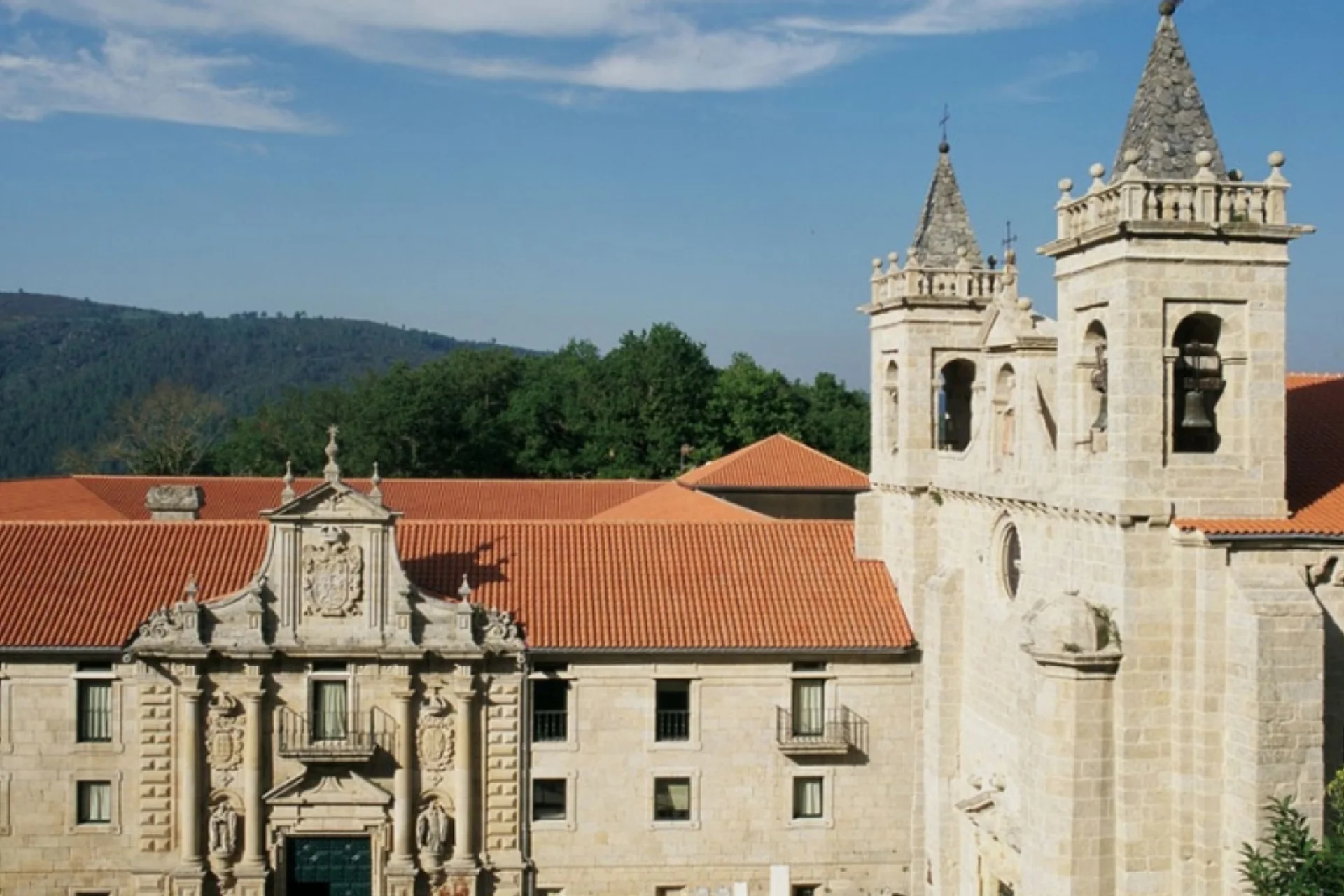
“Three cloisters and fifteen centuries of history”
The Parador de Santo Estevo is a Benedictine monastery of early medieval origin, documented since the 10th century, with three cloisters from different eras—Romanesque, Gothic and Renaissance—summarizing Spain's architectural history. Located in the Ribeira Sacra, it overlooks the Sil canyons with their terraced vineyards.
Walking through the three cloisters at dusk and the Sil canyon boat cruise.
In the old wine cellars
15 centuries of history
Heroic vineyards
According to ancient tradition, Santo Estevo was founded in the 6th century by San Martín Dumiense, although its existence is documented from the 10th century. The monastery's documented history begins with the privilege of Ordoño II, issued on October 12, 921, when the king donated to Abbot Franquila the ruined and abandoned territory of San Esteban to build a basilica and monastery. Franquila governed a community of hermits and decided to restore monastic life at San Esteban. The site housed a Benedictine monastery that was put on the medieval religious map in the 10th century. Nine bishops, having taken vows of poverty, came to live their final days at the monastery, and their bodies are buried in the chapel. The building was declared a Historic-Artistic Monument in 1923. The structure fell into disuse until 2004, when it reopened as a Parador with modern amenities added.
Construction
921
Restoration
2004
The monastery was built between the 12th and 18th centuries. Various styles alternate in this monastery from Romanesque to Baroque, with the three cloisters standing out: Romanesque, Gothic and Renaissance. It is easy to distinguish elements of Baroque and Romanesque styles, and the building has three incredible cloisters representing three different eras of Spanish architectural history. The 77 rooms are distributed in the three cloisters of different styles and periods, standing out especially because all are different.
Galicia
The Parador de Santo Estevo offers an unparalleled panoramic view of the Sil River canyon and is surrounded by chestnut, oak and pine forests. The setting is perfect for nature lovers and hikers. The area is enriched by Europe's largest concentration of Romanesque buildings. The Ribeira Sacra is famous for its heroic vineyards cultivated on practically vertical terraces over the Sil canyons, a mountain viticulture unique in the world.
Navigation through the spectacular Sil River canyons, with walls up to 500 meters high covered with terraced vineyards and riparian forests.
Guided visit through Europe's largest concentration of Romanesque buildings, including churches and monasteries from the 10th to 12th centuries.
Tasting of wines from the Ribeira Sacra denomination of origin, made with grapes grown in the heroic vineyards of the Sil canyons.
Guided tour through the monastery's three cloisters at sunset, discovering the evolution from Romanesque to Renaissance.
Unique room in one of the three historic cloisters, with original architectural elements from the monastery.
Larger room with views of the Sil canyons or cloisters, preserving the monastic atmosphere.
Suite with independent living room and panoramic views of the Sil canyons and Ribeira Sacra vineyards.
Historic-Artistic Monument
Spanish State (1923 declaration)
Architectural heritage
Nomadiq Score
From
150€/night
El gran hotel de Madrid, reinventado para el siglo XXI
Historic
El primer Rosewood de España, entre cedros centenarios en la Castellana
Grand Hotel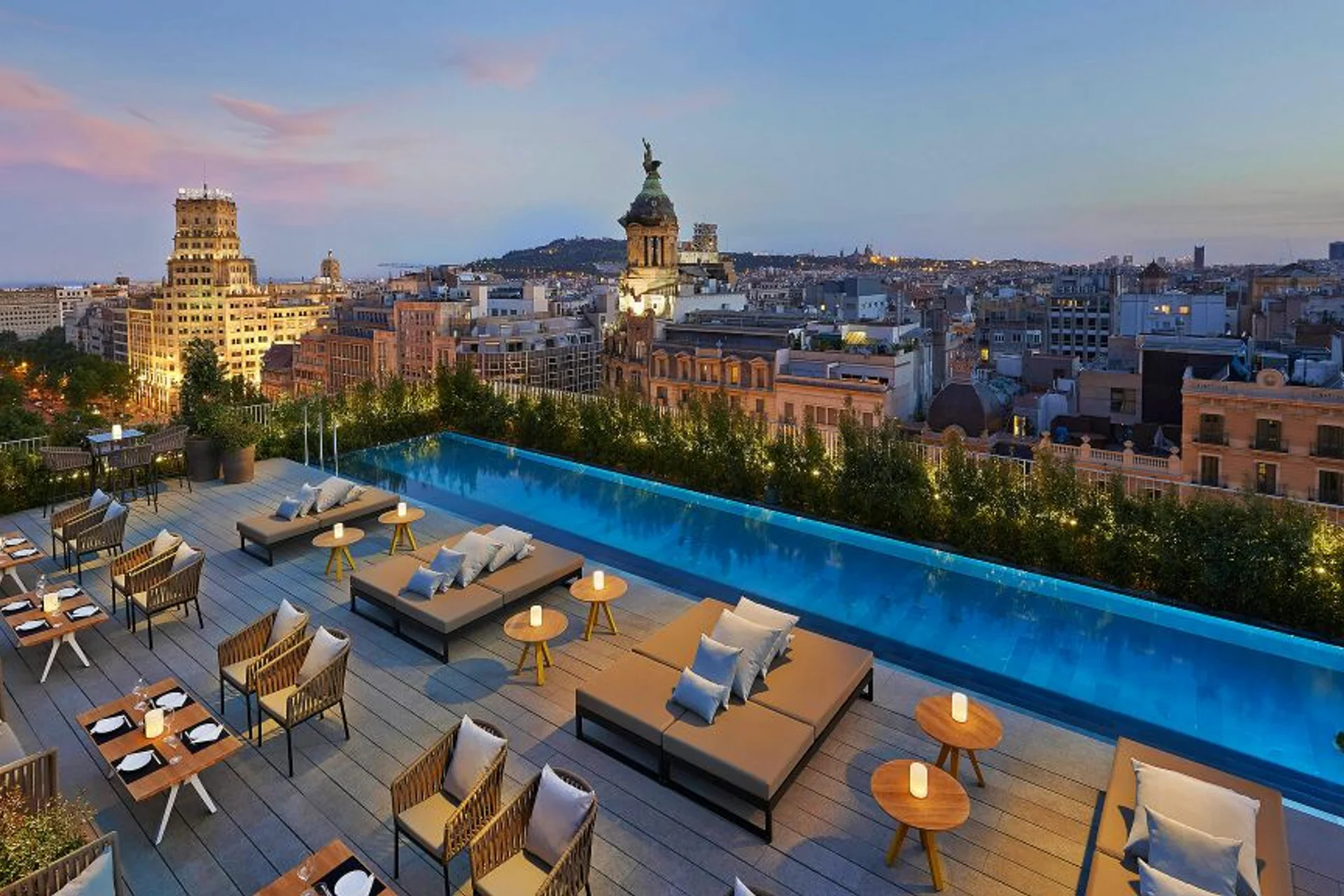
Diseño de autor en el corazón del Passeig de Gràcia
Design Hotel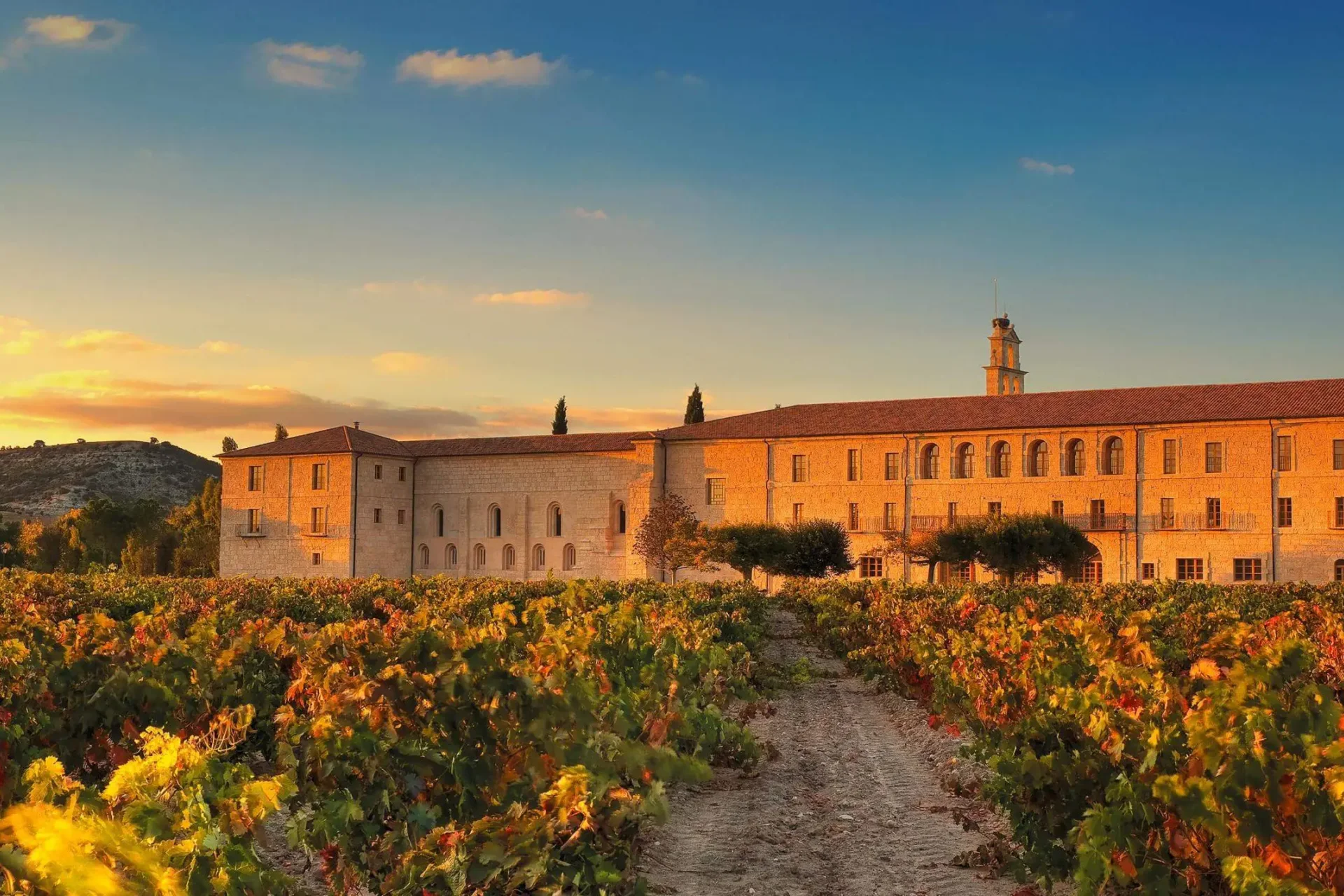
Una abadía del siglo XII entre viñedos del valle del Duero
Wine Hotel