#3
€€€€
Coastal•Wellness|Casares, Andalucía
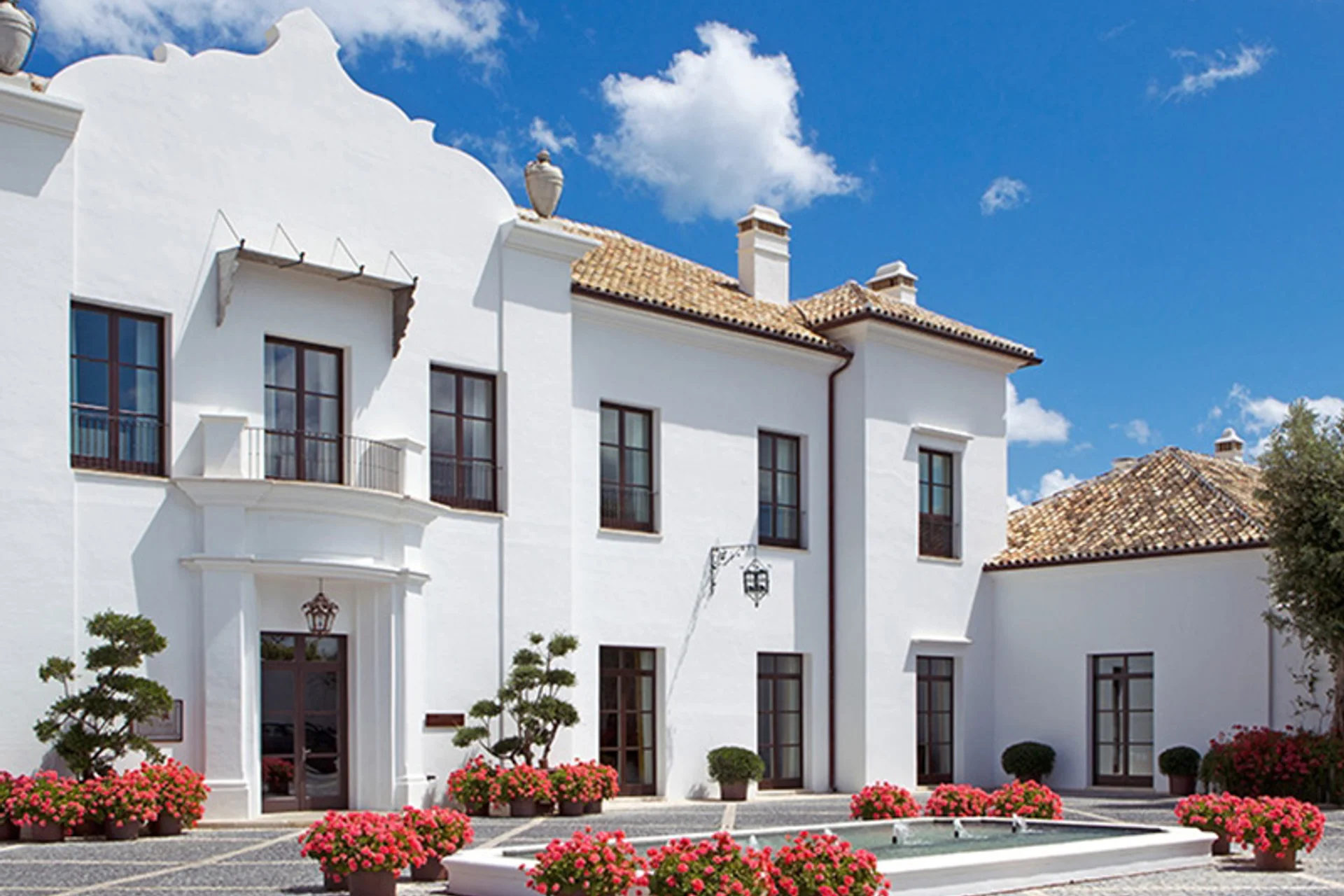
Finca Cortesin
Elegancia andaluza frente al Mediterráneo
Resort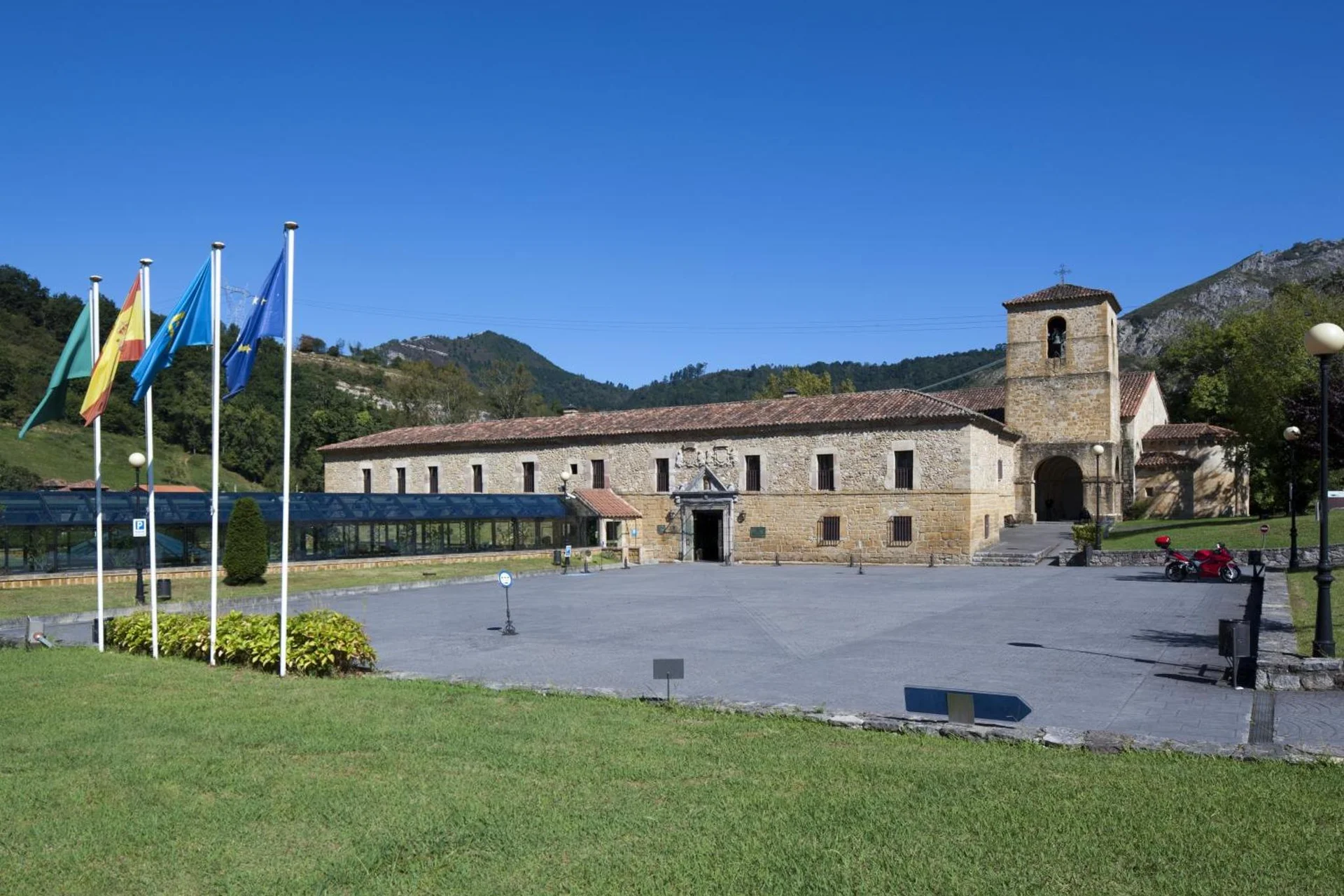
“The gateway to the Picos de Europa”
The Parador de Cangas de Onís occupies the monastery of San Pedro de Villanueva, founded in the eighth century along the Sella River. Its Romanesque church and medieval cloister are the perfect prelude to explore the Picos de Europa, Covadonga and the legendary Roman bridge over the Sella.
The descent of the Sella by canoe and Covadonga at dawn.
Declared in 1907
Millenary history
National Park
Tradition attributes to Alfonso I the Catholic (739-757), son-in-law of Pelayo, the foundation of the monastery as a temple and royal pantheon on the palace of his brother-in-law Favila, who died in an incident with a bear during a hunt. There is no material evidence of the pre-Romanesque building. In the 12th century it was transformed into a Benedictine monastery, with the first documented evidence dating from 1137. The Romanesque church preserves the original chevet and walls from the 12th century, although the present church dates from the end of the 18th century. Between 1675 and 1700 the baroque cloister and the tower with belfry were added. With the disentailment of 1835 the monastery was abandoned. It has been a National Monument since 1907. The Parador was inaugurated on July 8, 1998.
Construction
739
Restoration
1998
The monastery follows the Benedictine scheme of a single nave with three semicircular apses connected by semicircular arches, being one of the masterpieces of the Asturian Romanesque. The southern doorway stands out for its capitals of remarkable workmanship with unusual iconography related to King Favila and the bear. At the foot of the temple are the remains of the primitive 12th century Romanesque cloister, replaced between 1674 and 1694 by the current Baroque-Classicist cloister. The tower with bell tower belongs to the same Baroque period. The refurbishment as a Parador respected these historical elements.
Asturias
The monastery is on the banks of the river Sella, 2 km from Cangas de Onís and its legendary Roman bridge. The Picos de Europa, the first National Park in Spain declared by Alfonso XIII in 1918, offer the largest limestone formation in Atlantic Europe. Covadonga, cradle of the Reconquest with its basilica and glacial lakes, is nearby. The descent of the Sella is one of the emblematic activities of the area. The Cares route, a spectacular 12 km gorge, is part of the National Park.
Canoe trip on the Sella River from Arriondas to Ribadesella, one of the most emblematic activities in Asturias.
Visit to the basilica of Covadonga and the glacial lakes Enol and Ercina before the arrival of the tourists.
Hiking through the spectacular Cares Gorge, 12 km carved into the limestone rock of the Picos de Europa.
Visit the remains of the primitive Romanesque cloister from the 12th century and the church with its capitals of King Favila.
Room in the former Benedictine monastery overlooking the garden or the river Sella.
Larger room in the noble quarters of the monastery with views of the Picos de Europa.
Suite with independent living room in the most distinguished spaces of the monastery, with terrace and panoramic views.
National Monument
Spanish State (National Monument)
Historical heritage
Nomadiq Score
From
120€/night
Elegancia andaluza frente al Mediterráneo
Resort
La antigua granja de la cartuja de Escaladei, entre los viñedos del Priorat
Wine Hotel
Vino, spa y paisaje en la Toscana española
Wine Hotel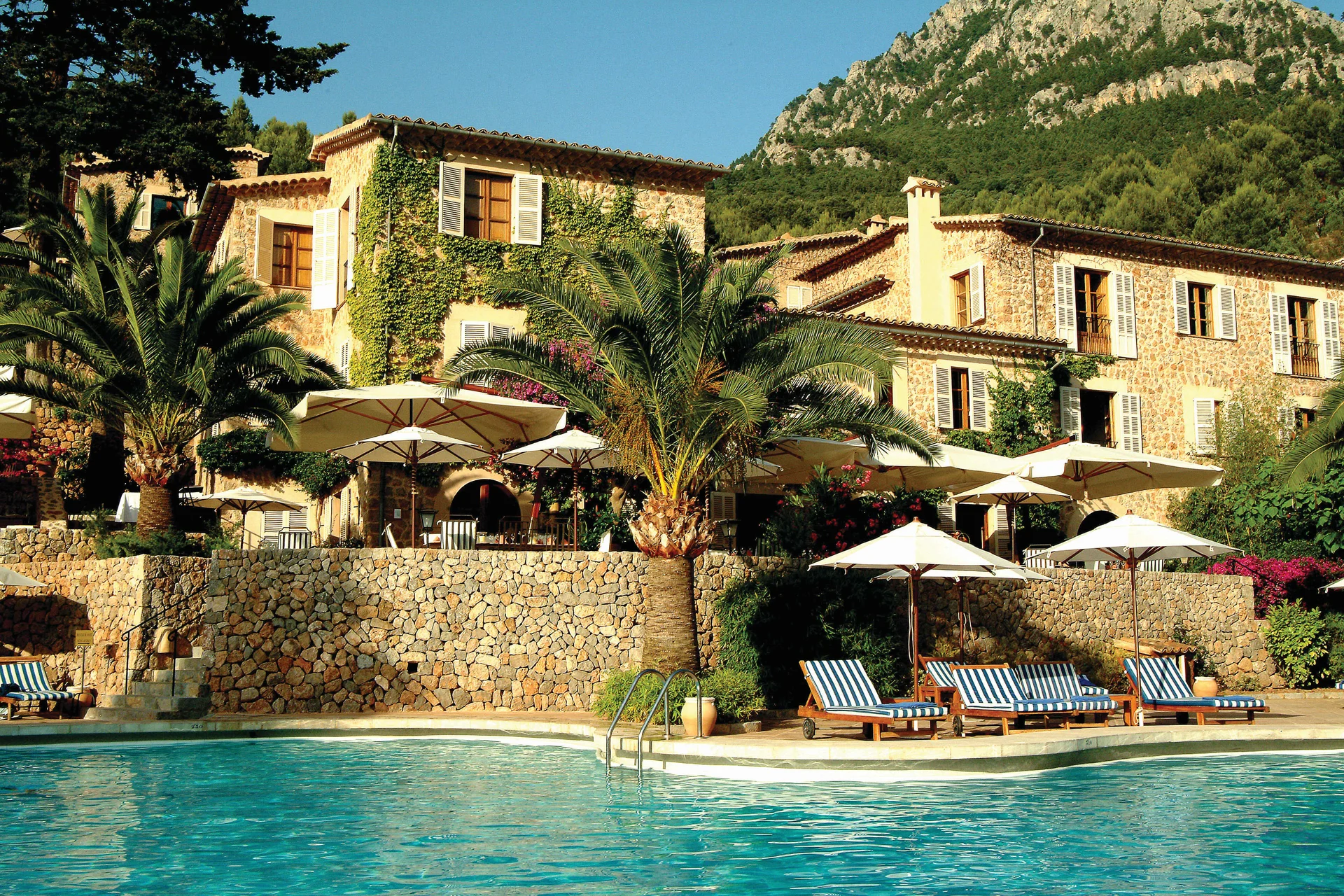
El refugio de artistas en la Serra de Tramuntana
Rural Retreat