#12
€€€€
Urban•Culture|Barcelona, Cataluña
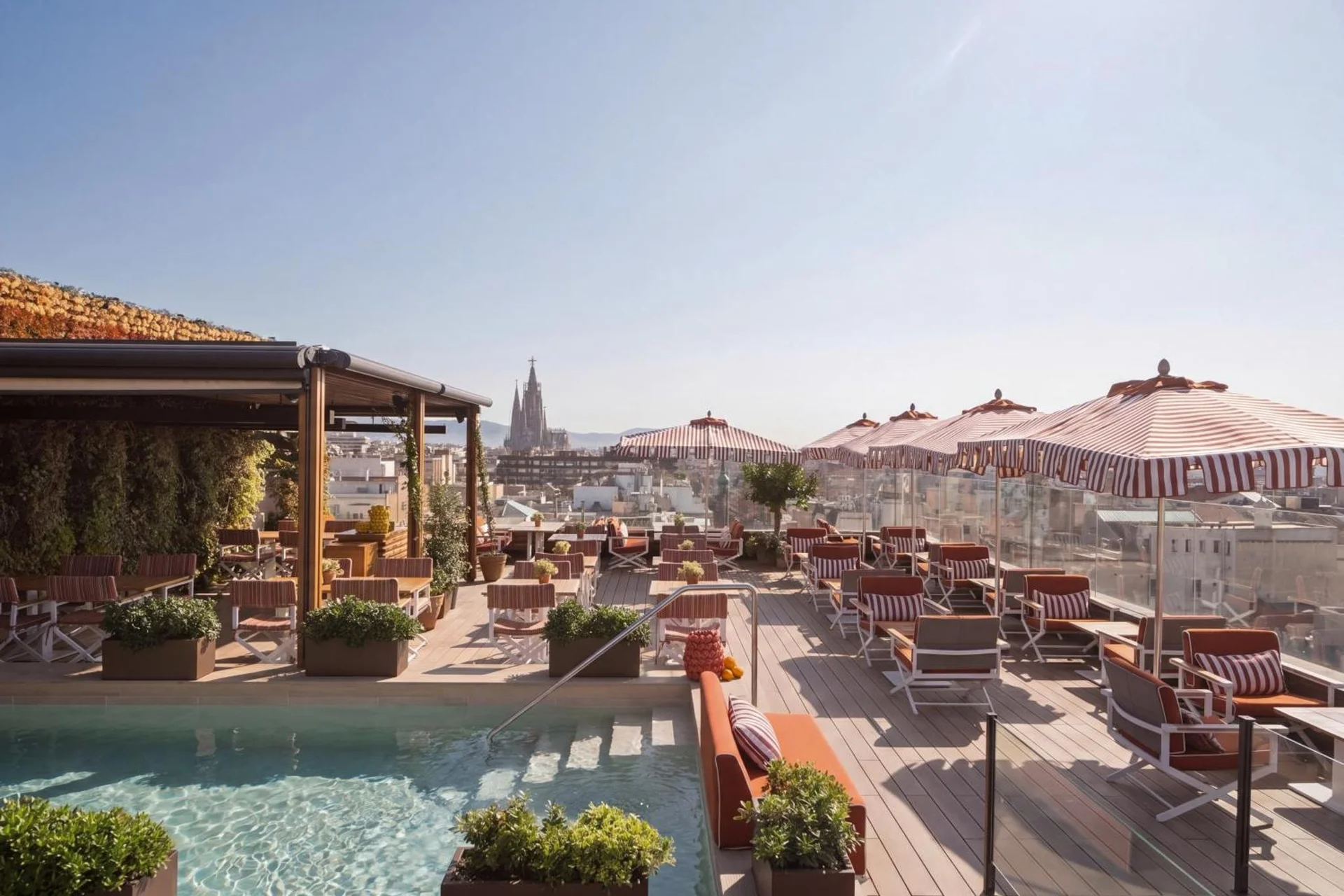
Majestic Hotel & Spa Barcelona
Un siglo de excelencia en Passeig de Gràcia
Historic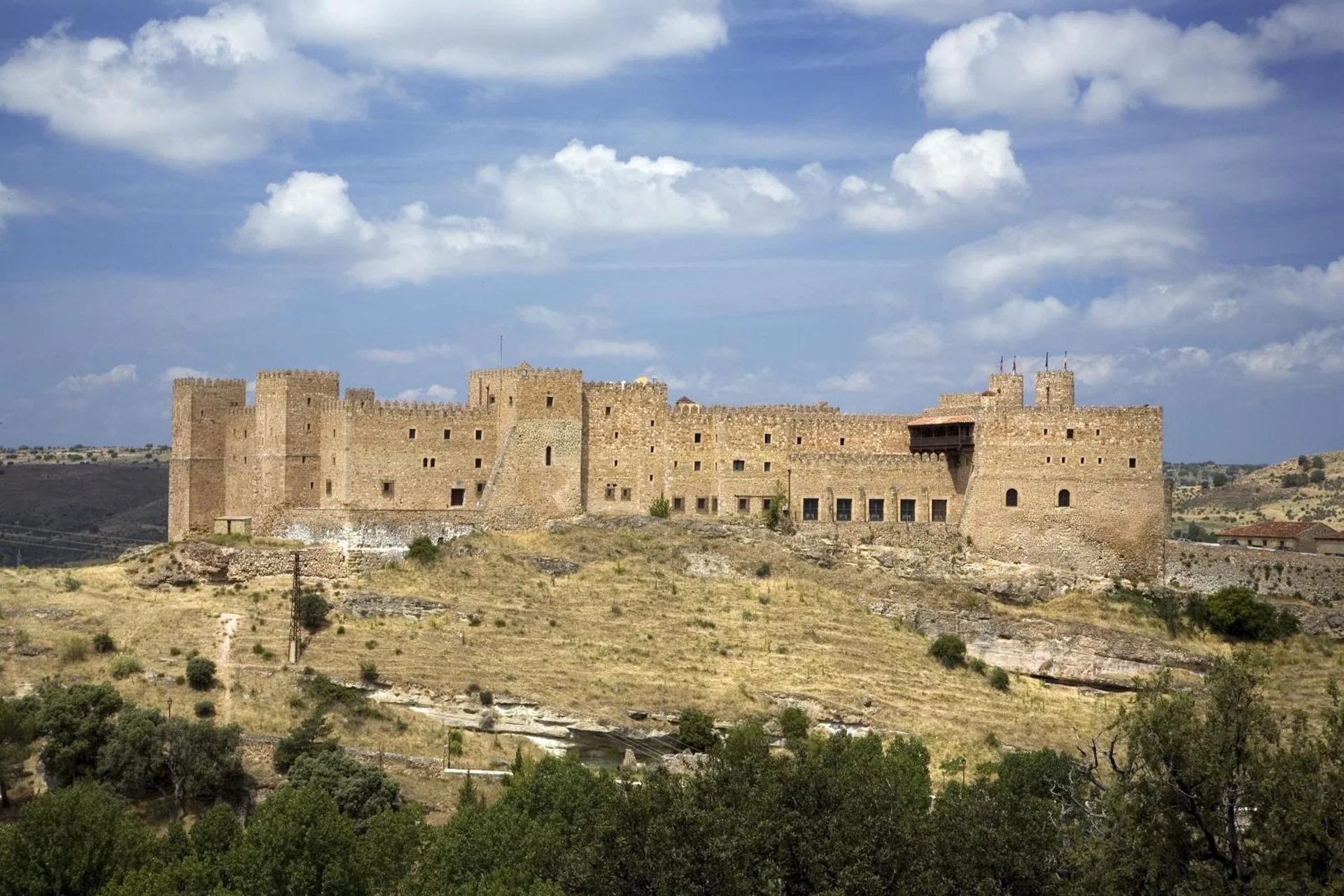
“An episcopal castle over medieval Spain”
The Parador de Sigüenza is a 12th century episcopal castle that dominates the medieval town from above. Its towers, battlements and parade ground preserve the atmosphere of reconquered Spain. The Doncel de Sigüenza, in the nearby cathedral, is one of the most beautiful funerary sculptures in Spain.
Dine in the old bishops' dining room and visit the Doncel in the cathedral.
13th century
Episcopal fortress
Gothic sculpture
The origins of the fortifications in Sigüenza date back to the Celtiberians who inhabited the right bank of the river in the last centuries BC. The Visigoths built a small castle in the 5th century. The Moors built a large fortified citadel in the early 8th century to defend the area against the Christian kings of León and Castile. The 12th century castle was built on the site of a Moorish castle taken in 1124 by Bernard of Agen, the first bishop. The castle then became the fortress-palace of the bishops of Sigüenza, and in the 14th century it was the prison of Blanca de Borbón, consort of Pedro el Cruel. The fortress was continuously used as an episcopal residence until the middle of the 19th century. The castle suffered severe damage during the Civil War in 1936 and was abandoned. Its reconstruction as a parador, decided in the early 1970s, was completed in 1976 by architect José Luis Picardo. The official inauguration took place in 1978 with the visit of King Juan Carlos and Queen Sofia.
Architect
José Luis Picardo (restauración)
Construction
1124
Restoration
1978
A bastion gives access to the main gate of the fourteenth century, flanked by two towers with machicolations and battlements on top. The large inner courtyard is reminiscent of the Arab citadels, and similarly to them, sheltered the population in case of attack. In the center remains the well that provided water to the fortress. The cobblestone courtyard, the rooms with wooden balconies, the 13th century Romanesque chapel and the vaulted dining room take you back to another era. It was substantially remodeled in the 14th century, again in the 15th, and with further additions in the 16th. The two twin towers flanking the gate date from the early 14th century. Don Pedro González de Mendoza was responsible for the bastion that protects the main gate and for transforming the fortress into a palace.
Castilla-La Mancha
The Parador overlooks the medieval town of Sigüenza from above. The Gothic cathedral, with the famous Doncel de Sigüenza, one of the most beautiful funerary sculptures in Spain, is just a few steps away. The historic center retains its medieval layout with the arcaded Plaza Mayor. Sigüenza is a stop on the Tren Medieval tourist train from Madrid. The Alto Tajo Natural Park is nearby for nature lovers.
Castilian gastronomic experience under the vaults of the old Episcopal dining room with stone fireplaces.
Contemplate the Doncel de Sigüenza, the Gothic funerary sculpture of the young Martín Vázquez de Arce in the chapel of San Juan and Santa Catalina of the cathedral.
Walk through the historic center of Sigüenza, from the castle to the cathedral through the arcaded Plaza Mayor.
Room in the castle with stone walls, period Castilian furniture and medieval fortress atmosphere.
Larger room with wooden balcony overlooking the medieval village or the inner courtyard.
The parador's top room category, inside the castle.
Asset of Cultural Interest
Spanish State
Historical heritage
Nomadiq Score
From
100€/night
Un siglo de excelencia en Passeig de Gràcia
Historic
2000 años de historia en 28 habitaciones
Boutique
Donde Roma y Al-Ándalus se encuentran
Historic
Doce siglos de historia en cada habitación
Boutique