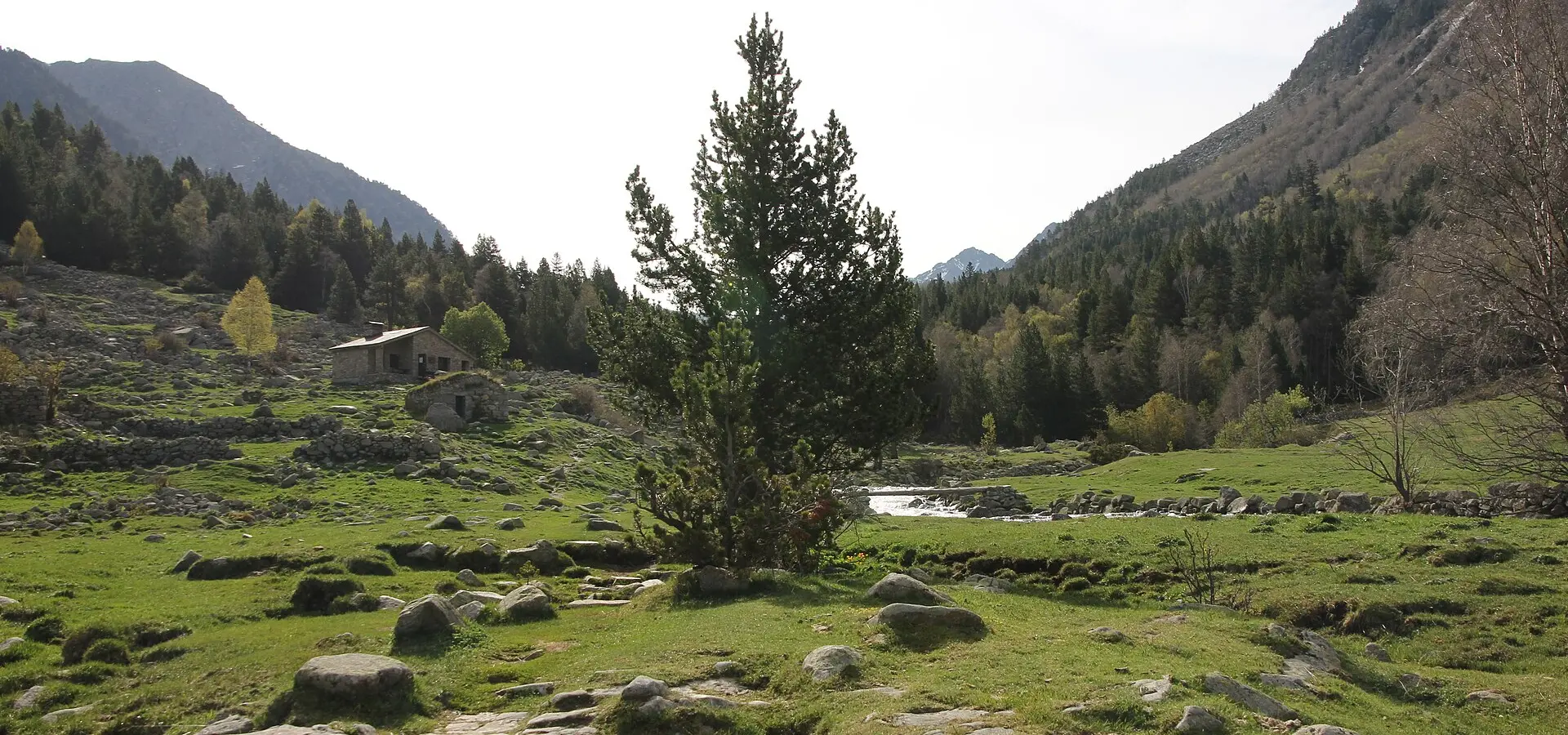
Madriu-Perafita-Claror Valley (UNESCO)
Best Season
Accessible May-November. Mountain climate, cool even in summer. Bring warm clothing.
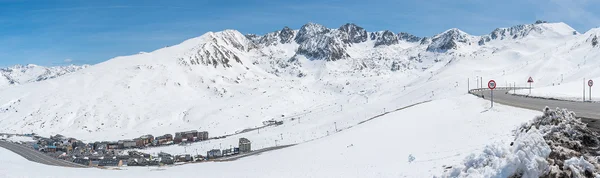
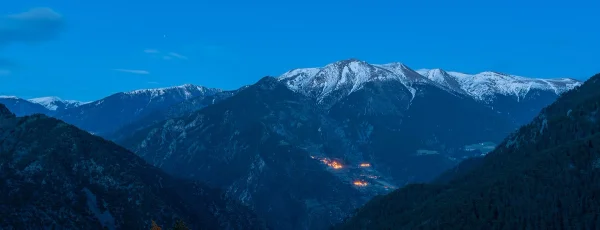
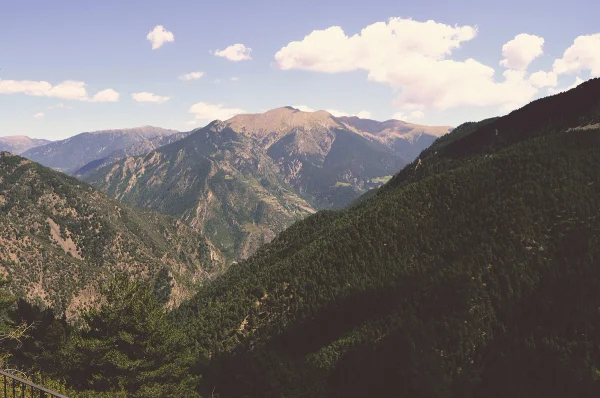
The Madriu-Perafita-Claror Valley, Andorra's only UNESCO World Heritage Site, is a high-mountain glacial valley preserving the Pyrenean landscape of centuries past. Circular route along the roads bordering this natural sanctuary.
Highlights
- 1Vall de Madriu (UNESCO): Andorra's only World Heritage site
- 2Pyrenean glacial landscape untouched for centuries
- 3Caldea: the largest mountain thermal spa in Europe
- 4Viewpoints over the valley from the road
About this route
The Vall de Madriu-Perafita-Claror is the only UNESCO World Heritage site in Andorra, and its inclusion on the list in 2004 was based on an unusual concept: it is not a monument, nor a historic city, nor a work of art. It is a cultural landscape, a high-mountain glacial valley that preserves, virtually intact, the agro-pastoral way of life that Pyrenean peoples have maintained for centuries. Covering 4,247 hectares (almost 10% of Andorra's territory), the valley ranges from 1,160 meters up to the 2,905 meters of the Pic de la Portelleta, and includes black pine forests, alpine meadows, glacial lakes, stone shepherd huts (bordes) and transhumance trails that have been in use for centuries.
The valley's geology is a compendium of the glacial history of the Pyrenees. The cirques, moraines, hanging valleys and glacial lakes that dot the landscape are the result of the Quaternary glaciations that shaped these mountains between 100,000 and 10,000 years ago. The granite and gneiss that form the valley walls are Precambrian rocks more than 500 million years old — the oldest in all of Andorra. The combination of ancient rock and a young landscape (in geological terms) creates an aesthetic of very distinctive contrasts.
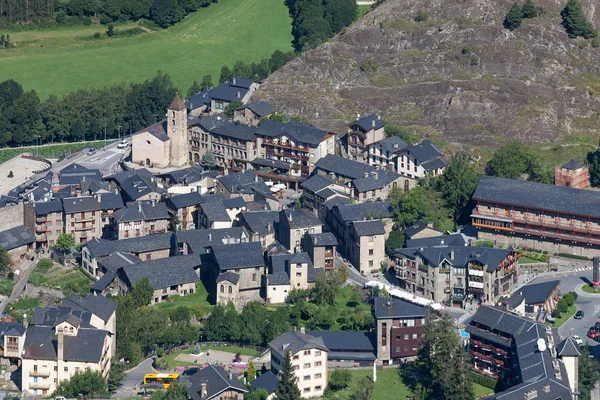
The motorcycle route does not enter the valley itself (motorized access is restricted to preserve the UNESCO site) but skirts it along the roads that link Escaldes-Engordany with Encamp and Sant Julià across the outer slopes of the valley. The itinerary alternates mountain road sections with views over the UNESCO valley from several signposted viewpoints, passing through villages such as Engordany, Escaldes and Encamp, which still retain elements of traditional Pyrenean architecture: Romanesque churches, stone bordes and communal bread ovens.
The gastronomy of this corner of Andorra is tied to the pastoral tradition of the Madriu valley. The star products are mountain cured meats (longaniza, bull, bisbe), cow and goat cheeses made in the valley's bordes, wild mushrooms (especially rovellons, or saffron milk caps, in autumn) and mountain honey. In Escaldes-Engordany, the Caldea thermal center (the largest mountain spa in Europe) offers the unique experience of bathing in 68°C thermal waters with views of the Pyrenean peaks surrounding the valley.
Rider's notes: this is the most accessible and least technical of the five Andorran routes, ideal for riders looking for scenery without too much difficulty. The roads are wide and well maintained. The main point of interest is the series of viewpoints over the Madriu valley, signposted from the road. For the full experience, combine the ride with a short walk (1-2 hours) up to the first stretch of the valley, accessible from Escaldes. Andorra's cheap petrol makes it the perfect place to fill up before crossing into Spain or France.
Route stops
Escaldes-Engordany
Village
Thermal centre with Caldea and gateway to Madriu valley.
Mirador de la Vall de Madriu
Viewpoint
Panoramic view of the UNESCO valley from the road.
Encamp
Village
Village with ethnographic museum and cable car to Engolasters.
Practical information
Weather
Accessible May-November. Mountain climate, cool even in summer. Bring warm clothing.
Traffic
Moderate traffic on main roads. Quiet viewpoints.
Fuel stops
Petrol stations in Andorra la Vella, Escaldes and Encamp.
Where to stay on this route
The towns this route passes through — useful for splitting it into stages or sleeping near the start. Book ahead in high season.
- Escaldes-EngordanySee places to stay
- EncampSee places to stay
Affiliate links: if you book through them, Nomadiq earns a small commission at no extra cost to you.