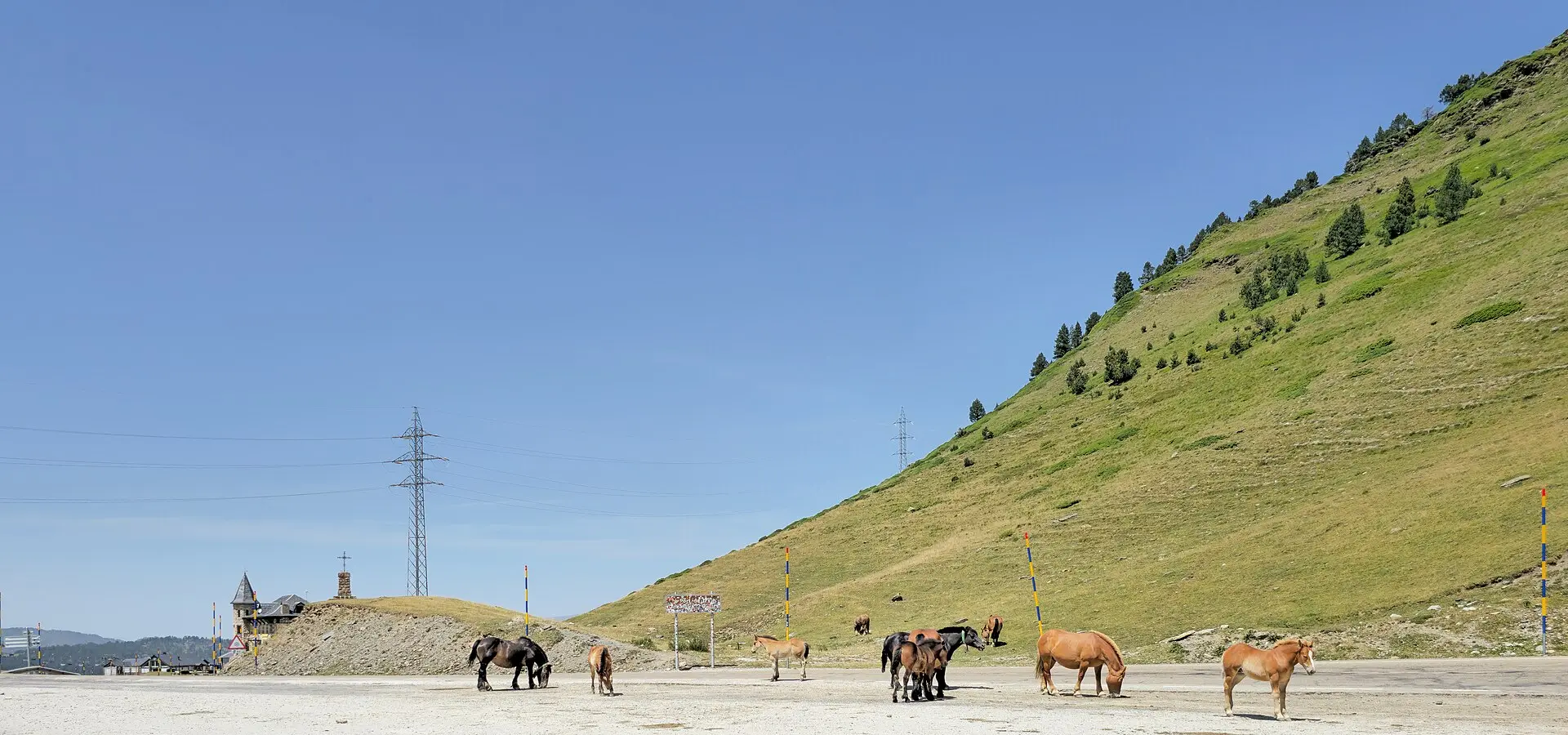
Vall de Boí and Port de la Bonaigua
Best Season
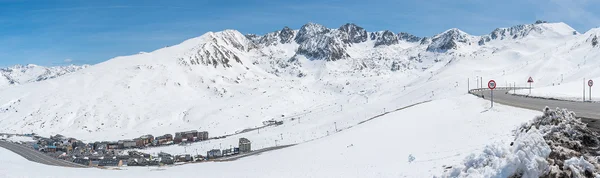
Bonaigua closed due to snow from November to May. Summer and early autumn only. Beware of storms in July-August.
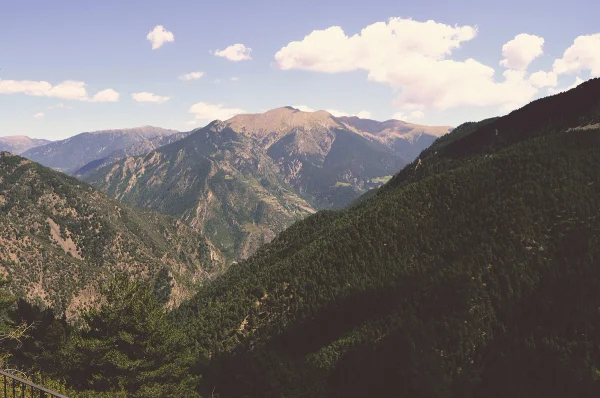
The Port de la Bonaigua (2,072 m), the top of the Catalan Pyrenees by road. Ascent from the Vall d'Àneu, descent to the Val d'Aran and detour to the Romanesque churches of the Vall de Boí, a UNESCO World Heritage Site.
Highlights
- 1Port de la Bonaigua (2,072 m): Catalunya's highest paved road by motorcycle
- 2Val d'Aran and Vielha
- 3Romanesque churches of the Vall de Boí (UNESCO)
- 4Parc Nacional d'Aigüestortes
About this route
The Port de la Bonaigua (2,072 m) is the absolute pinnacle of paved motorcycling in Catalunya and one of the highest mountain passes in all of Spain outside Sierra Nevada. Its Catalan name literally means "good water," a reference to a spring that once existed near the summit where transhumant shepherds stopped to drink for centuries before descending to their summer pastures. The C-28 road that climbs to the pass is a relatively modern feat of engineering — previously, Pyrenean crossings at this altitude were simply mule tracks — and has the peculiarity of closing to traffic for half the year due to snow, making it a strictly summer route.
The ascent from Esterri d'Àneu (in the Pallars Sobirà) is probably the most spectacular: the road climbs continuously through forests of black pine and past glacial lakes, with solar-powered electrification panels signalling that you are nearing the top. The serpentine bends of the final kilometres are the stuff of legend, with well-maintained asphalt kept up by the Catalan Generalitat (which takes special care of this road given its tourist importance). In summer, riders may cross paths with groups of Northern European bikers who come specifically to tackle the Bonaigua, and the parking areas at the pass are packed with German, French and Dutch licence plates.
But what makes this route truly unique is not the Bonaigua alone: it is the combination with the Vall de Boí, a small Pyrenean valley south of the pass that harbours one of the most important concentrations of Romanesque art in the world. Nine Catalan Romanesque churches and chapels from the 11th and 12th centuries — Sant Climent de Taüll, Santa Maria de Taüll, Santa Maria de l'Assumpció de Cóll, Santa Eulàlia d'Erill la Vall, among others — built in local granite by itinerant Lombard master builders, were collectively declared a UNESCO World Heritage Site in 2000. The density of top-tier Romanesque art packed into barely 20 km² is probably unmatched anywhere in Europe.
Sant Climent de Taüll, the most famous of the nine, houses a cycle of Romanesque mural paintings (the originals are in the MNAC in Barcelona; the church displays digital reproductions in their place) considered one of the absolute masterpieces of European medieval art. The paintings, dated to around 1123, depict biblical scenes centred on a Christ Pantocrator of singular expressive power that influenced modern artists such as Picasso (who studied these paintings at length during his Barcelona period). Visiting Taüll is an experience that is both artistic and spiritual: the combination of simple Romanesque architecture, alpine light filtering through small windows and the absolute silence of the valley creates an atmosphere that is hard to put into words.
Practical riding notes: the Bonaigua typically closes from November to May (sometimes longer), so this route is strictly for summer. The best window is July to September, when the passes are fully open and the weather is generally stable. Watch out for afternoon storms in July and August, which can be violent. Fill your tank to the brim before climbing: there are no petrol stations on the passes and the next one in the Val d'Aran is in Vielha. For dining, Vielha has several serious restaurants; in Taüll, Mesón La Pertusa serves honest Pyrenean cooking. And one critical tip: this route is long (220 km) and demanding. Allow at least 8 hours with stops, and book accommodation in Vielha or Taüll if you want to take it at a relaxed pace.
Route stops
Esterri d'Àneu
Village
Village in Pallars Sobirà at the foot of La Bonaigua.
Port de la Bonaigua
Viewpoint
Pass at 2,072 m, the highest mountain pass on a motorbike in Catalonia.
Vielha
Village
Capital of the Val d'Aran.
Taüll - Vall de Boí
Monument
Romanesque churches UNESCO World Heritage Site.
Practical information
Weather
Bonaigua closed due to snow from November to May. Summer and early autumn only. Beware of storms in July-August.
Traffic
Moderate traffic in summer. Quite a lot of motorbikes from Northern Europe in July-August.
Fuel stops
Refuelling in La Pobla de Segur. Petrol stations in Esterri d'Àneu and Vielha. Long stretches without services.
Where to stay on this route
The towns this route passes through — useful for splitting it into stages or sleeping near the start. Book ahead in high season.
- Esterri d'ÀneuSee places to stay
- VielhaSee places to stay
- Taüll - Vall de BoíSee places to stay
Affiliate links: if you book through them, Nomadiq earns a small commission at no extra cost to you.