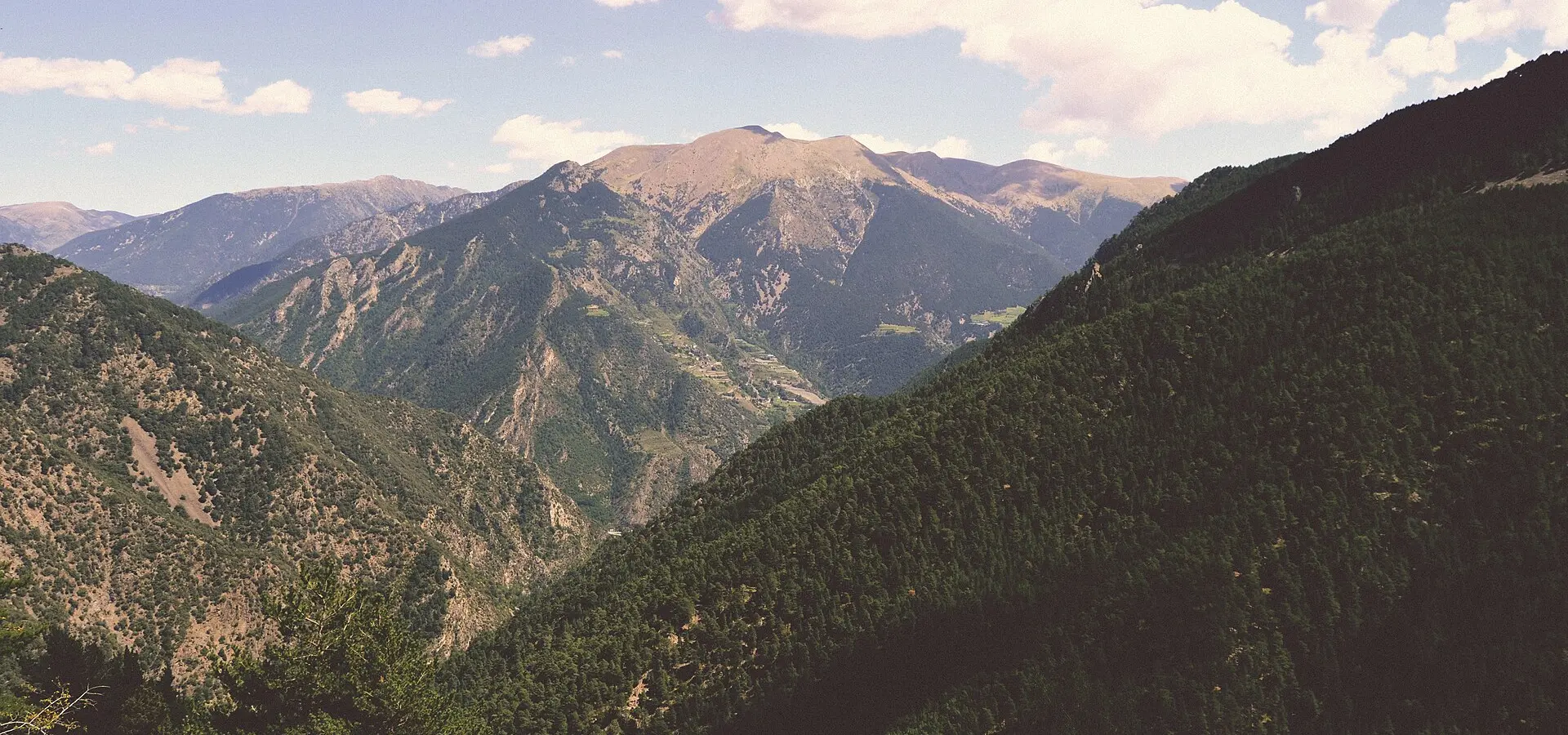
Coll de la Gallina from Sant Julia
Best Season
Open June-October normally. Watch for fog near the top. Tarmac can be damp in the morning.
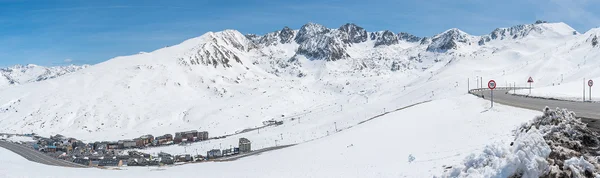
Coll de la Gallina is Andorra's most technical pass: 10% gradients, tight 180-degree bends and tarmac that challenges the most experienced rider. The climb from Sant Julia de Loria is pure Pyrenean adrenaline.
Highlights
- 1Coll de la Gallina (2,010 m): Andorra's most technical pass
- 210% ramps and 180-degree hairpin bends
- 3Vuelta a España stage finish
- 4Visible geology: 300 million years of history
About this route
The Coll de la Gallina is Andorran motorcycling's best-kept secret. While the Port d'Envalira hogs all the attention thanks to its record altitude, the Gallina offers something the Envalira cannot: a classic mountain pass road — narrow, technical and lonely, with no commercial traffic — climbing from Sant Julià de Lòria (908 m) to 2,010 m over an 18-kilometer stretch where every curve is a challenge. Gradients reach 10% in several sections, hairpin bends follow one after another without respite, and the asphalt, though decent, lacks the width of the main roads.
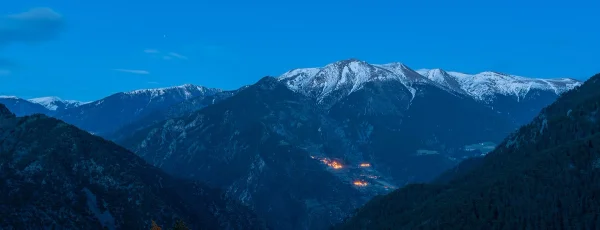
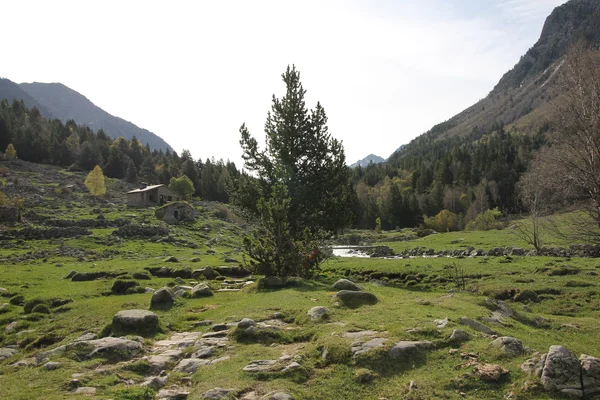
The geology of the Coll de la Gallina is a condensed lesson in Pyrenean history. The rocks flanking the road on the lower slopes are Devonian limestones (400 million years old), giving way, as you gain altitude, to even older Silurian slates and schists. On the upper hairpins, the cut walls lining the road reveal the folds and faults of the Hercynian orogeny with textbook clarity. It is an open-air museum spanning 300 million years of Earth's history.
The road of the Coll de la Gallina is known among cyclists as one of the toughest climbs in the Pyrenees (it has been a Vuelta a España stage finish several times), but for riders it is a different kind of jewel: its narrowness demands precise riding, its tight bends require exact braking, and its steep ramps reward fine throttle control. It is not a road for speed, but for savoring the pure technique of mountain riding. The descent, with the Sant Julià valley opening up in front of the bike, is as rewarding as the climb.
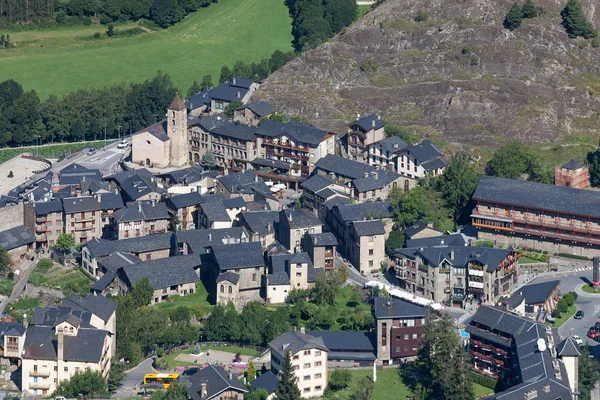
Sant Julià de Lòria, at the foot of the climb, is the southernmost parish of Andorra and the gateway from Spain via the Farga de Moles border crossing. It is a pleasant town with an old quarter of narrow streets and stone houses, and home to the Tobacco Museum (housed in the former Reig factory), a curious space that tells the story of Andorra's tobacco industry, one of the principality's historical sources of wealth. For lunch, Celler d'en Toni serves wood-fire grilled meats (lamb ribs, Pyrenean beef chops) in a rustic stone-and-wood setting.
Rider's notes: the Coll de la Gallina is a toll-free mountain road, usually open from June to October. It is not a through road (it leads nowhere important except the Naturlandia ski runs), so traffic is minimal. Watch for gravel on the shoulders after heavy rain. The best strategy is to climb early in the morning, when the asphalt is dry and the sun lights up the eastern flank. Fuel stations in Sant Julià de Lòria (Andorran petrol is still the cheapest in the Pyrenees).
Route stops
Sant Julia de Loria
Village
Southernmost parish of Andorra, gateway from Spain.
Coll de la Gallina (1.907 m)
Viewpoint
Summit of Andorra's most technical pass with valley views.
Naturlandia
Monument
Adventure park and viewpoint in the upper part of the pass.
Practical information
Weather
Open June-October normally. Watch for fog near the top. Tarmac can be damp in the morning.
Traffic
Minimal traffic. No commercial through-traffic.
Fuel stops
Petrol stations in Sant Julia de Loria. No station on the pass.
Where to stay on this route
The towns this route passes through — useful for splitting it into stages or sleeping near the start. Book ahead in high season.
- Sant Julia de LoriaSee places to stay
- NaturlandiaSee places to stay
Affiliate links: if you book through them, Nomadiq earns a small commission at no extra cost to you.