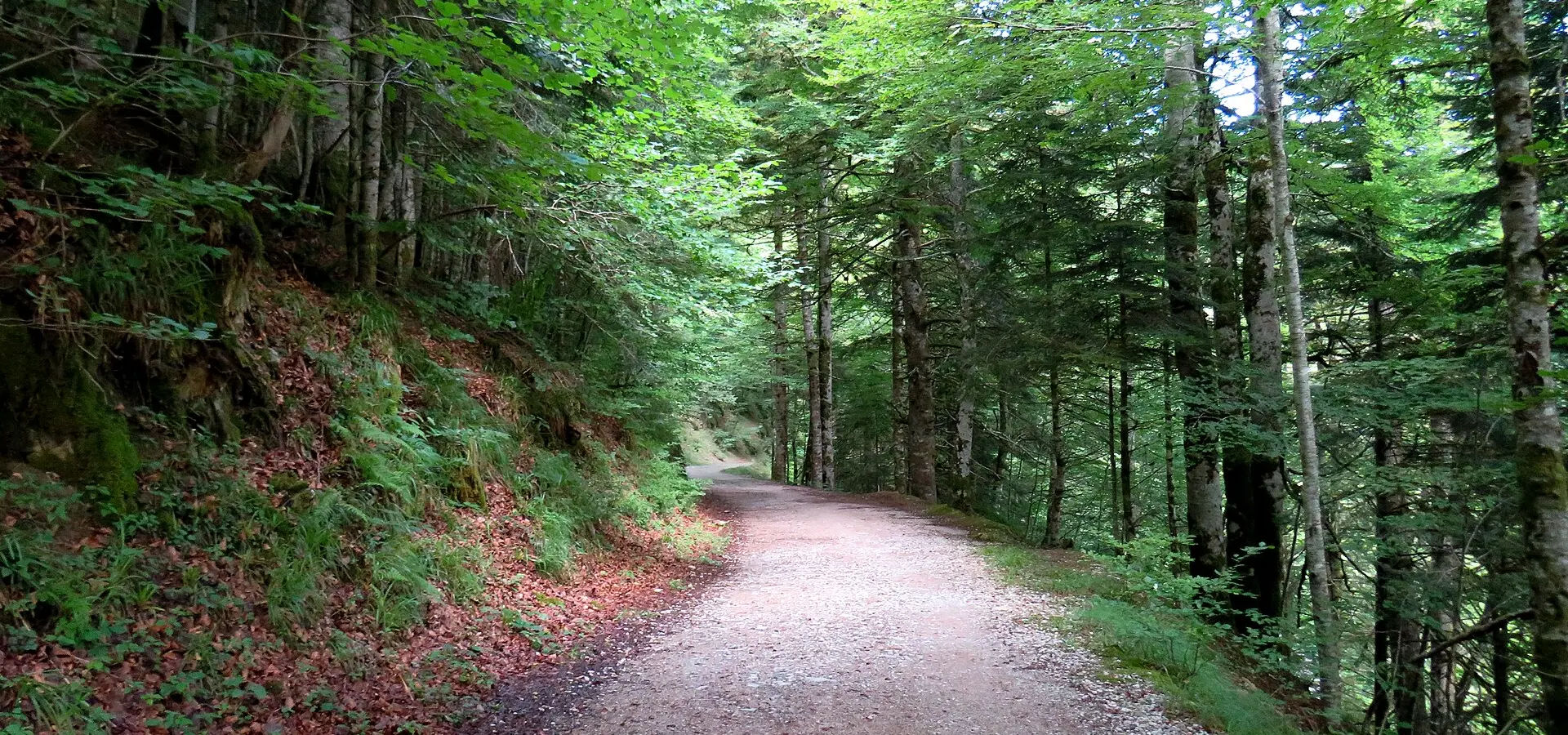
Irati Forest and the Pyrenean Mountain Passes
Best Season
Snow in winter. Spectacular autumn in the beech forests.
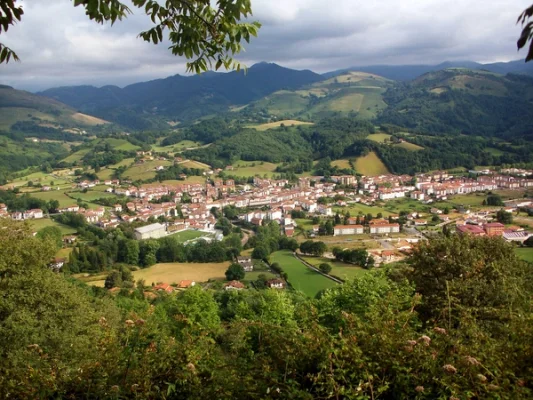
The Irati Forest, the second-largest beech forest in Europe, with Navarre's Pyrenean mountain passes: Bentartea, Erro, Abaurrea Alta. Red-roofed villages and endless bends.
Highlights
- 1Selva de Irati: 2nd largest beech forest in Europe
- 2Roncesvalles and the Puerto de Ibañeta
- 3Ochagavía: a Pyrenean village
- 4Salazar Valley
About this route
The Selva de Irati is one of the largest and best-preserved forests in all of Western Europe: with its 17,000 hectares of centuries-old beech and fir stands, it is the second largest beech forest in all of Europe after the German Hercynian Forest. Located in the heart of the Navarrese Pyrenees, on the border with France, it occupies a deep valley where for thousands of years the humid Atlantic climate has allowed the development of a forest ecosystem that is absolutely exceptional for Mediterranean latitudes. The beeches of Irati, some more than 400 years old and with trunks several meters in circumference, are true vegetal monuments that have grown slowly in this Pyrenean isolation.
The most astonishing thing about Irati is its density and its chromatic variability throughout the year. In spring and summer, the forest is an intense green sea with light filtered in almost tropical tones; in autumn (especially October-November), the beeches turn golden, red and orange in a chromatic spectacle that is probably one of the three best in all of Spain (together with the Basque Hayedo de Otzarreta and the Bosque de Riba del Pisuerga in Castilla y León). At that time of year, thousands of visitors from all over Spain and the south of France flock to the forest to photograph the color change, which overcrowds the parking areas but at the same time creates an almost festival-like atmosphere.
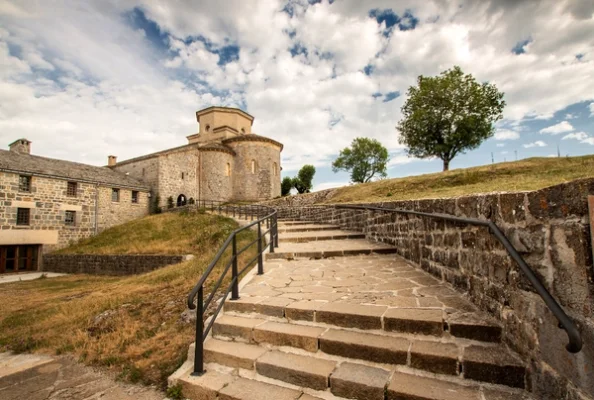
Roncesvalles is a name loaded with historical symbolism for anyone familiar with medieval European culture. Here, according to the famous "Song of Roland" (Chanson de Roland), one of the most important epic poems of the Middle Ages, Charlemagne's army was ambushed and defeated in August of the year 778 by the local Basque-Navarrese as it returned from a campaign on the Iberian peninsula. The Battle of Roncesvalles, mythologized by French troubadours during the 11th and 12th centuries, gave rise to one of the founding pillars of European cultural identity. Today, the town preserves the 12th-century Real Colegiata (one of the most important Gothic monuments in Navarre), a museum dedicated to the French Way of Saint James (which enters Spain precisely here) and a spiritual atmosphere that many pilgrims describe as the most intense on the entire Camino.
The Puerto de Ibañeta (1,057 m), where the N-135 crosses the Pyrenees from the French side to the Spanish side, is one of the oldest and most symbolically important Pyrenean passes. Over the past 2,000 years, Romans, Goths, Franks, Jacobean pilgrims, Napoleonic armies, exiles from the civil wars of the 20th century and, now, millions of modern tourists and pilgrims have crossed here. The chapel at the pass, built in the 20th century in memory of those who fell at Roncesvalles, contains a bell whose sound, in medieval times, guided pilgrims lost in the Pyrenean mist.
Biker practicalities: this is a long (200 km) and demanding route that requires planning. The season runs from May to October; at other times there is snow and the passes may be closed. Fill up to the max in Pamplona before climbing; inside the Navarrese Pyrenees there are only three operational gas stations (Auritz/Burguete, Ochagavía, Isaba). For eating, in Roncesvalles the Hostería de Roncesvalles serves oven-roasted lamb and migas pastoriles at popular prices; in Ochagavía, the Restaurante Auñamendi is legendary for its trout from the Salazar river caught that same morning. And a tip: if you go in autumn, set out very early because the climb to Irati gets crowded and the parking areas fill up by mid-morning. The spectacle of the beech forests at dawn, with the mist rising from the valley, is probably the most powerful visual experience you can have in the Navarrese Pyrenees.
Route stops
Roncesvalles
Monument
Gateway to the French Way of St James.
Ochagavía
Village
Pyrenean village in the Salazar valley.
Selva de Irati
Viewpoint
2nd largest beech forest in Europe.
Practical information
Weather
Snow in winter. Spectacular autumn in the beech forests.
Traffic
Low traffic.
Fuel stops
Petrol stations in Pamplona, Auritz/Burguete and Ochagavía.
Where to stay on this route
The towns this route passes through — useful for splitting it into stages or sleeping near the start. Book ahead in high season.
- RoncesvallesSee places to stay
- OchagavíaSee places to stay
- PamplonaSee places to stay
Affiliate links: if you book through them, Nomadiq earns a small commission at no extra cost to you.