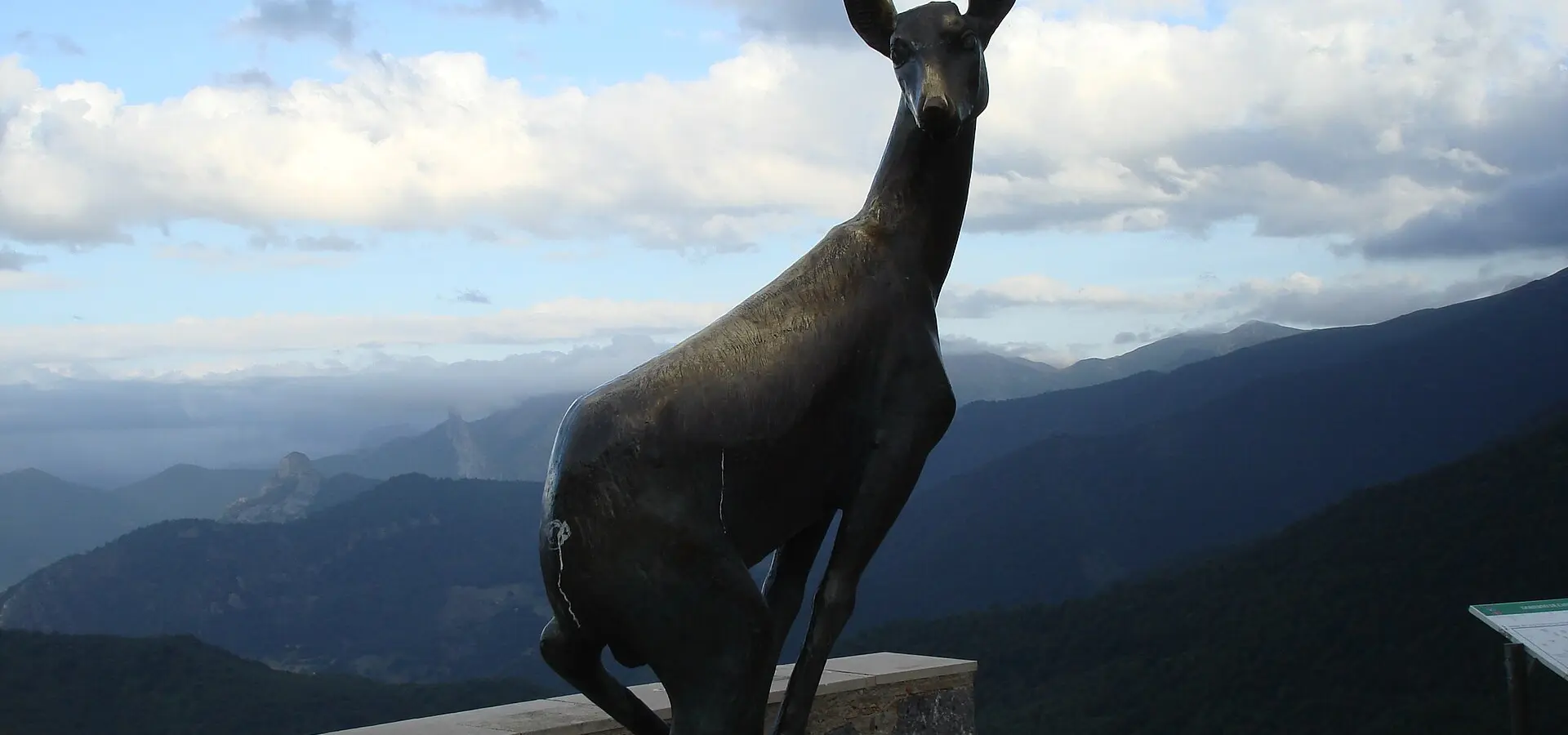
San Glorio Pass and Fuentes de Invierno (Winter Springs)
Best Season
Snow and ice from November to May. Best June-October.
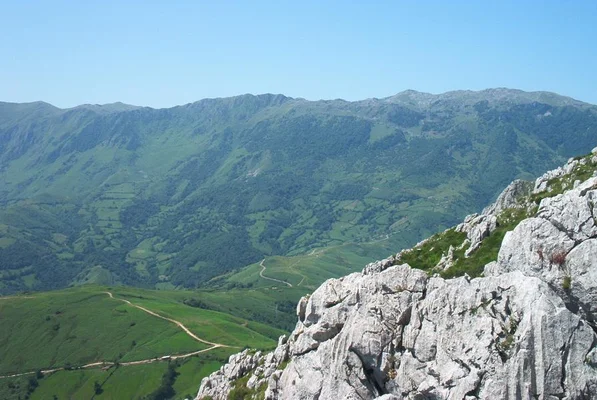
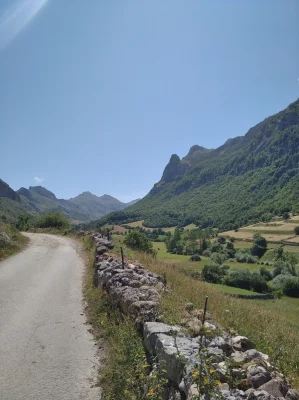
Two classic Cantabrian mountain passes on the same route: San Isidro (1,520 m) and San Glorio (1,609 m). Technical roads, alpine landscapes and little traffic outside summer.
Highlights
- 1Puerto de San Isidro (1,520 m)
- 2Puerto de San Glorio (1,609 m)
- 3Desfiladero de La Hermida
- 4Potes and the Liébana
About this route
This route strings together two of the classic Cantabrian passes —San Isidro and San Glorio— in a traverse that for many riders in the north of the peninsula is a kind of initiation trial. It's 220 km of technical roads, generally good tarmac, alpine landscapes right in the middle of the peninsula and three provinces crossed in a single day (Asturias, León and Cantabria). Doing it properly means setting out early, planning refuelling and respecting rest stops: it's physically demanding, especially in the second half when you tackle the second pass with the body already spent.
The Puerto de San Isidro (1,520 m) has an interesting historical role: for centuries it was one of the main passes between pre-Roman Asturias and the peoples of the Leonese plateau, a trade route along which salt and Castilian textiles came down to the coast, while salted fish and Bierzo wine went up. The present-day road, the AS-253, roughly follows the same age-old trace, and you can tell from its sinuousness: it goes constantly up and down, seeking out the natural passes of the massif, without the artificiality of modern roads. The Fuentes de Invierno ski resort, right at the top of the pass, is one of the only two winter resorts in Asturias and in summer is left in a very photogenic, spectral silence.
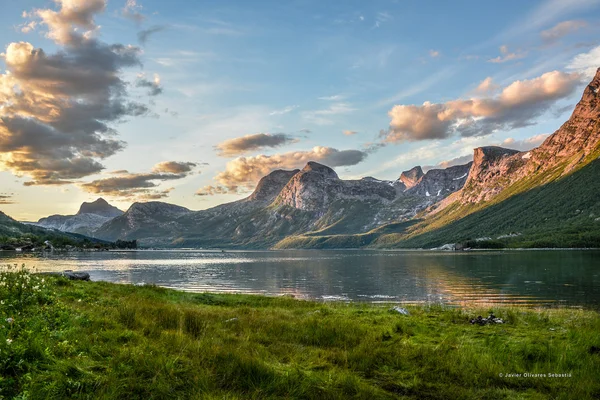
San Glorio (1,609 m) is slightly higher and much more lonely. It is the natural pass between Cantabrian Liébana and the Leonese valleys of the Esla, and its road —the N-621— is probably one of the most beautiful in the entire Cantabrian region. The climb from the south, via Riaño, skirts the Embalse de Riaño in a stretch that riders often dub "the Leonese fjord" for the sheer drama of its turquoise waters hemmed in by the vertical walls of the Picos. There's a dramatic detail: in the 1980s the reservoir flooded the original villages of the valley, which were relocated to new villages just above. Still today, in years of severe drought, the ruins of the submerged churches and bell towers re-emerge, an almost ghostly sight.
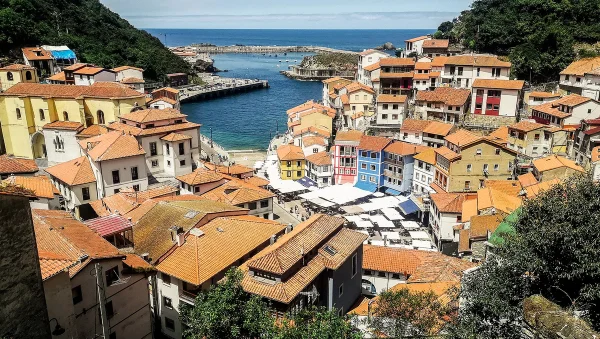
The descent from San Glorio toward Potes and Cantabrian Liébana is one of the most complete riding experiences there is. The road winds for 25 km losing more than 1,000 m of altitude, crossing centuries-old beech and oak forests, with continuous bends and natural viewpoints at every opening. Potes, capital of the Liébana, is a medieval town with the Torre del Infantado, timber-framed houses and a special microclimate (the Liébana is sheltered by the mountains and has an average temperature higher than the rest of Cantabria). Grapes are grown there and the famous Orujo de Potes is produced, one of the most prestigious spirits in Spain, still distilled by hand in copper stills.
Riding tips: this route is not one to do in the dead of winter. Both passes —especially San Isidro— can be closed by snow from November to April, and checking the state of the roads before setting out is absolutely essential. The optimal season runs from June to October. Fill up in Pola de Lena at the start, in Riaño in the middle and in Potes at the end: there are no services on the passes. And set aside at least an hour to go down to the cueva del Soplao from Potes (a 2-hour detour, but worth every minute): it's one of the most spectacular caves in Spain, with eccentric formations unique in the world. The classic San Isidro–San Glorio route is perfect for a long day of northern riding; one of those days you remember for the rest of your life.
Route stops
Puerto de San Isidro
Viewpoint
Pass at 1,520 m with ski resort.
Puerto de San Glorio
Viewpoint
Pass at 1,609 m towards Liébana.
Potes
Village
Capital of Cantabria's Liébana region.
Practical information
Weather
Snow and ice from November to May. Best June-October.
Traffic
Moderate traffic in summer.
Fuel stops
Petrol stations in Pola de Lena, Riaño and Potes.
Where to stay on this route
The towns this route passes through — useful for splitting it into stages or sleeping near the start. Book ahead in high season.
- PotesSee places to stay
- Pola de LenaSee places to stay
Affiliate links: if you book through them, Nomadiq earns a small commission at no extra cost to you.