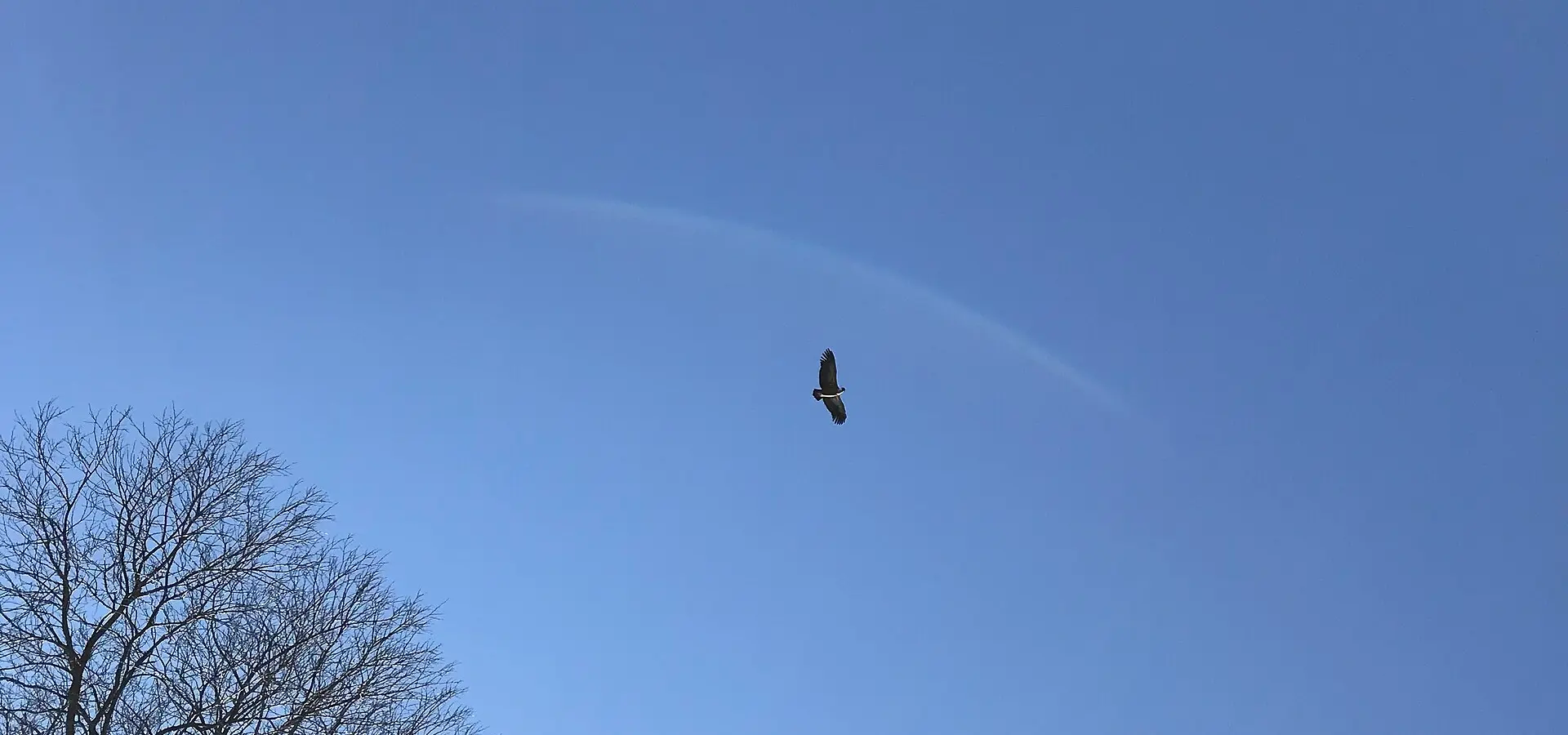
Monfragüe, Trujillo and Cáceres: Vultures, Conquistadors and UNESCO
Best Season
Extreme heat in summer (40-45°C). Spring and autumn ideal. Mild winters.
Monfragüe, Europe's best spot for griffon vultures; Trujillo, birthplace of Pizarro and the conquistadors; and Cáceres, with Spain's most intact UNESCO monumental quarter. Deep Extremadura.
Highlights
- 1Monfragüe: Europe's largest griffon vulture colony
- 2Trujillo: the conquistadors' Plaza Mayor
- 3Cáceres (UNESCO): perfectly preserved medieval old quarter
- 4Jamón ibérico de bellota and Torta del Casar cheese
About this route
Monfragüe National Park is the best-kept secret of European wildlife. Situated at the confluence of the Tagus and the Tiétar rivers, it protects one of the most important Mediterranean forests and rocky landscapes on the continent, home to Europe's largest colony of griffon vultures (over 500 breeding pairs), alongside black vultures, Spanish imperial eagles, black storks, and Iberian lynxes. The Salto del Gitano, a quartzite cliff rising above the Tagus, is the most spectacular observation point: from the viewpoint, barely 50 metres from the rock face, you can watch dozens of vultures soaring at eye level. The road that crosses the park (EX-208) is narrow, technical, and practically free of traffic.
Trujillo is, along with Cáceres, the most impressive city in all of Extremadura. Its Plaza Mayor, dominated by the equestrian statue of Francisco Pizarro (conqueror of Peru, born here in 1478), is surrounded by Renaissance palaces built with American gold by the conquistadors who returned from the Indies. Hernán Cortés (conqueror of Mexico) was born in Medellín, 80 km away, and the Orellana family (the first Europeans to navigate the Amazon) also hailed from this area. Trujillo has a 9th-century Moorish castle with views across the entire Extremaduran peneplain and a Romanesque church (Santa María la Mayor) with an altarpiece by Fernando Gallego.
Cáceres boasts the most intact medieval and Renaissance monumental old quarter in all of Spain, declared a UNESCO World Heritage Site in 1986. The Ciudad Monumental is a labyrinth of palaces, towers, churches, and cobblestone alleys where time has literally stood still since the 16th century. There are no advertising signs, no modern shops, no cars — it is a setting so perfect that Hollywood used it for Game of Thrones (King's Landing). The Arco de la Estrella, the Torre de Bujaco, the Palacio de los Golfines, and the Co-Cathedral of Santa María are the must-see highlights.
Extremaduran cuisine is one of Spain's great unknowns and, for many gastronomes, one of its very best. The jamón ibérico de bellota from Dehesa de Extremadura (with its own designation of origin) rivals the finest from Jabugo. Torta del Casar is a soft-paste sheep's cheese eaten with a spoon, opened from the top like a creamy volcano. Caldereta de cordero (lamb stew with pimentón de la Vera) and migas extremeñas round out a gastronomic repertoire that justifies the trip on its own.
Riding tips: Extremaduran roads are the emptiest in peninsular Spain. Traffic density is minimal even on the main national roads. Summer heat on the plains is extreme (40–45 °C), but the mountain ranges offer refuge. Spring and autumn are the ideal seasons. For accommodation, the Atrio Restaurante Hotel in Cáceres is one of the finest hotel-restaurants in Spain (2 Michelin stars). Petrol stations are frequent on national roads, scarcer on secondary routes.
Route stops
Salto del Gitano (Monfragüe)
Viewpoint
Vulture viewpoint over the Tagus river, heart of the National Park.
Trujillo
Monument
Main square with Pizarro statue, conquistador palaces.
Cáceres (Ciudad Monumental)
Monument
UNESCO medieval quarter, Game of Thrones filming location.
Practical information
Weather
Extreme heat in summer (40-45°C). Spring and autumn ideal. Mild winters.
Traffic
Very low traffic on all roads. Extremadura is Spain's least trafficked region.
Fuel stops
Petrol stations in Plasencia, Trujillo and Cáceres. Scarce inside Monfragüe.
Where to stay on this route
The towns this route passes through — useful for splitting it into stages or sleeping near the start. Book ahead in high season.
- TrujilloSee places to stay
- Cáceres (Ciudad Monumental)See places to stay
- CáceresSee places to stay
Affiliate links: if you book through them, Nomadiq earns a small commission at no extra cost to you.
Related routes
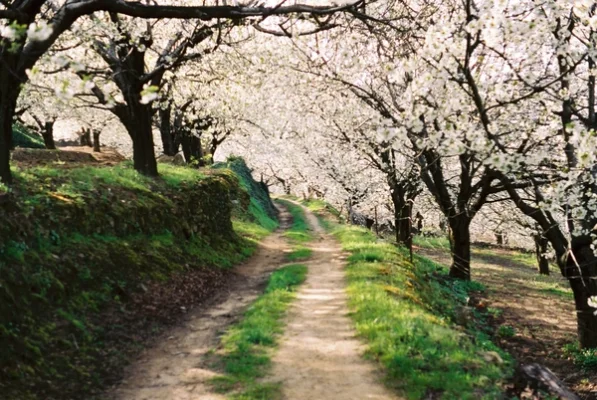
Jerte Valley and La Vera: Cherry Blossoms and Yuste Monastery
Extremadura
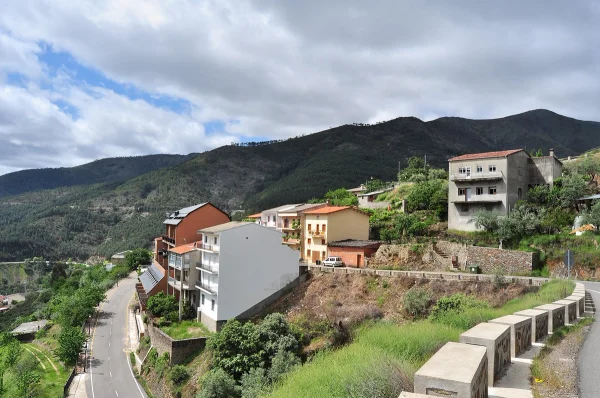
Las Hurdes and Sierra de Gata: Spain's Most Remote Corner
Extremadura
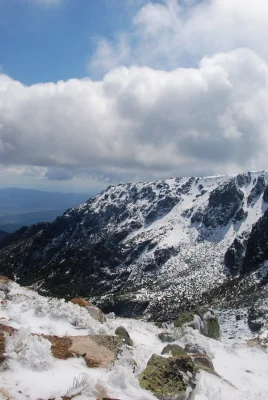
Serra da Estrela: Portugal's Rooftop
Portugal
Piódão and the Historic Villages
Portugal