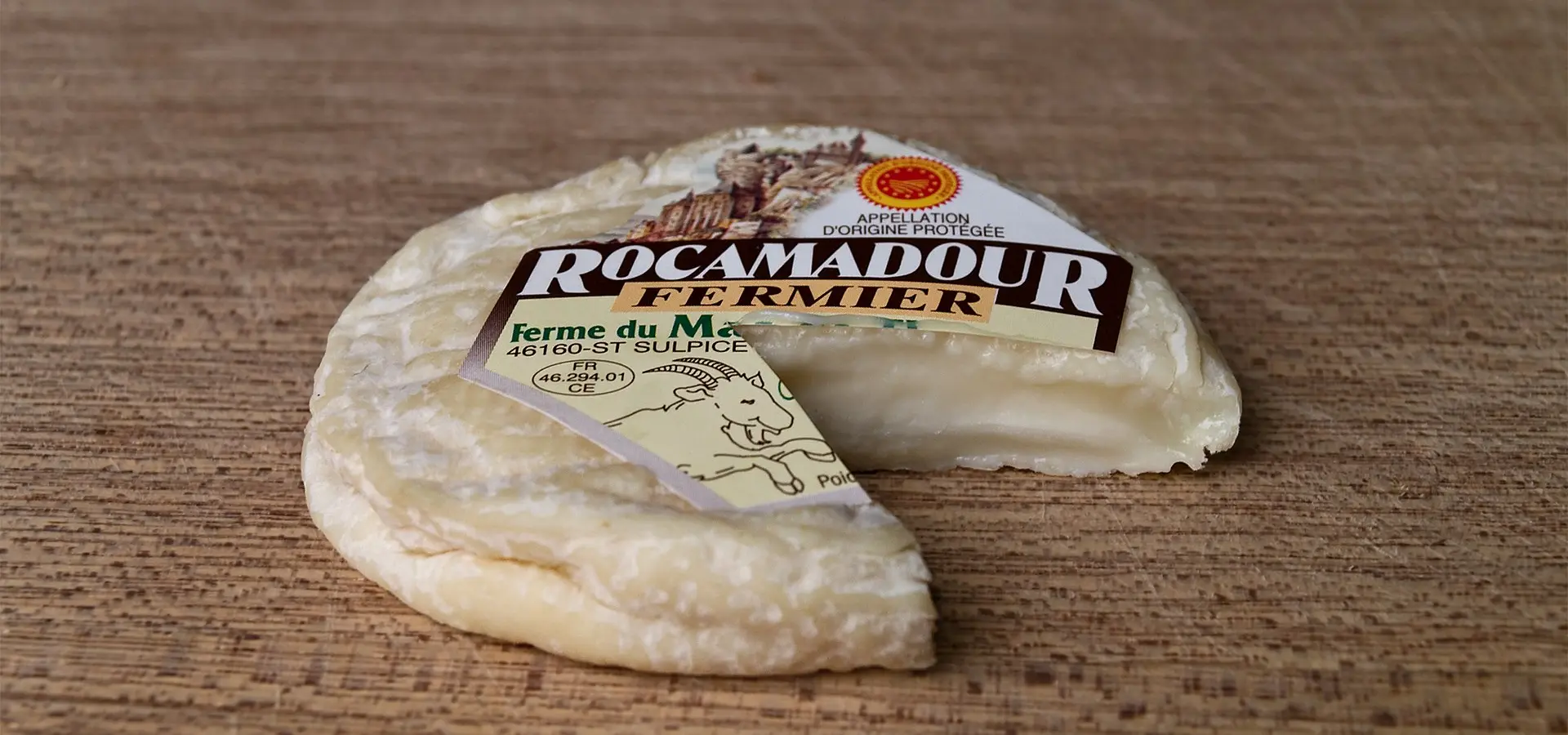
Dordogne Valley: Sarlat, Beynac and Rocamadour
Best Season
Temperate oceanic climate. Accessible all year round. Rain possible.
The Dordogne Valley: Sarlat (the most complete medieval village in France), the Beynac castle on the cliffs, Rocamadour (hanging holy city) and the caves of Lascaux.
Highlights
- 1Sarlat: the most complete medieval quarter in France
- 2Château de Beynac: fortress atop a sheer cliff
- 3Rocamadour: holy city clinging to a cliff face
- 4Lascaux IV: cave paintings dating back 17,000 years
About this route
The Dordogne Valley is probably the richest area in France for medieval heritage per square metre. In barely 100 km along the river, you will find more castles, medieval villages, abbeys and prehistoric caves than in any other European region of similar size. For the Spanish rider, it is the French equivalent of Aragon's Matarraña but on a much larger scale: fairy-tale castles, winding roads through oak and walnut forests, outstanding local produce markets, and a leisurely pace of life that constantly tempts you to stop.
Sarlat-la-Canéda is the crown jewel. Its medieval quarter is probably the best preserved in all of France: over 30 listed historic monuments, cobblestone streets lined with 14th-century tower-houses, Romanesque churches, convents, Renaissance mansions and an urban atmosphere that has not substantially changed since the 16th century. The Saturday morning market is legendary: foie gras (the Dordogne is the world capital of foie), black truffles from Périgord, walnuts, honey and the celebrated wines of Bergerac. It is one of the most complete and authentic markets in all of France.
The Château de Beynac is one of the most impressive medieval castles in all of Europe. Perched atop a sheer 150-metre cliff plunging straight down to the Dordogne river, it was one of the most important French strongholds during the Hundred Years' War (14th–15th centuries) against the English (the Château de Castelnaud, directly opposite on the far bank, was the English fortress). The view from the keep spans the entire valley with the river winding through forests and castles, and the site has been used as a location in numerous historical films.
Rocamadour, about 60 km to the south, is another key monument on the route. It is a sanctuary-town literally clinging to a sheer 120-metre cliff above the Alzou valley, its buildings stacked across seven superimposed levels: from the village at the foot of the cliff up to the churches and the Chapel of the Miracle (home to a 12th-century Black Madonna statue) halfway up, and finally the castle at the summit. During the Middle Ages, Rocamadour was one of the four great pilgrimage centres of Christendom (alongside Jerusalem, Rome and Santiago), and it still draws over one million visitors a year.
Rider practicalities: the Dordogne Valley is accessible year-round with a mild climate. The roads are gentle (no major mountain passes), well maintained and see moderate traffic. Refuel in Sarlat, Souillac or Rocamadour. For lunch, the Bistrot de l'Octroi in Sarlat serves Périgordine cuisine with foie gras and truffle at reasonable prices for the area. And a tip: the 20 km detour from Sarlat to visit Lascaux IV (an exact replica of the original cave paintings dating back 17,000 years, closed to the public since 1963 for conservation) is absolutely worth it. It is one of the most powerful cultural experiences in France.
Route stops
Château de Beynac
Monument
Castle on a 150 m cliff.
Rocamadour
Monument
Holy city hanging from the cliff.
Lascaux IV
Museum
Replica of the cave paintings.
Practical information
Weather
Temperate oceanic climate. Accessible all year round. Rain possible.
Traffic
Moderate traffic. Overcrowding in Sarlat and Rocamadour in August.
Fuel stops
Frequent petrol stations.
Where to stay on this route
The towns this route passes through — useful for splitting it into stages or sleeping near the start. Book ahead in high season.
- Château de BeynacSee places to stay
- RocamadourSee places to stay
- Lascaux IVSee places to stay
Affiliate links: if you book through them, Nomadiq earns a small commission at no extra cost to you.
Related routes
Canal du Midi: Toulouse to Béziers
Languedoc and Cathar Country
Gers: bastides, armagnac and sunflowers
Dordogne and the Southwest
Carcassonne and Corbières
Languedoc and Cathar Country
Foix, Montségur and the Cathar castles of Ariège
French Pyrenees