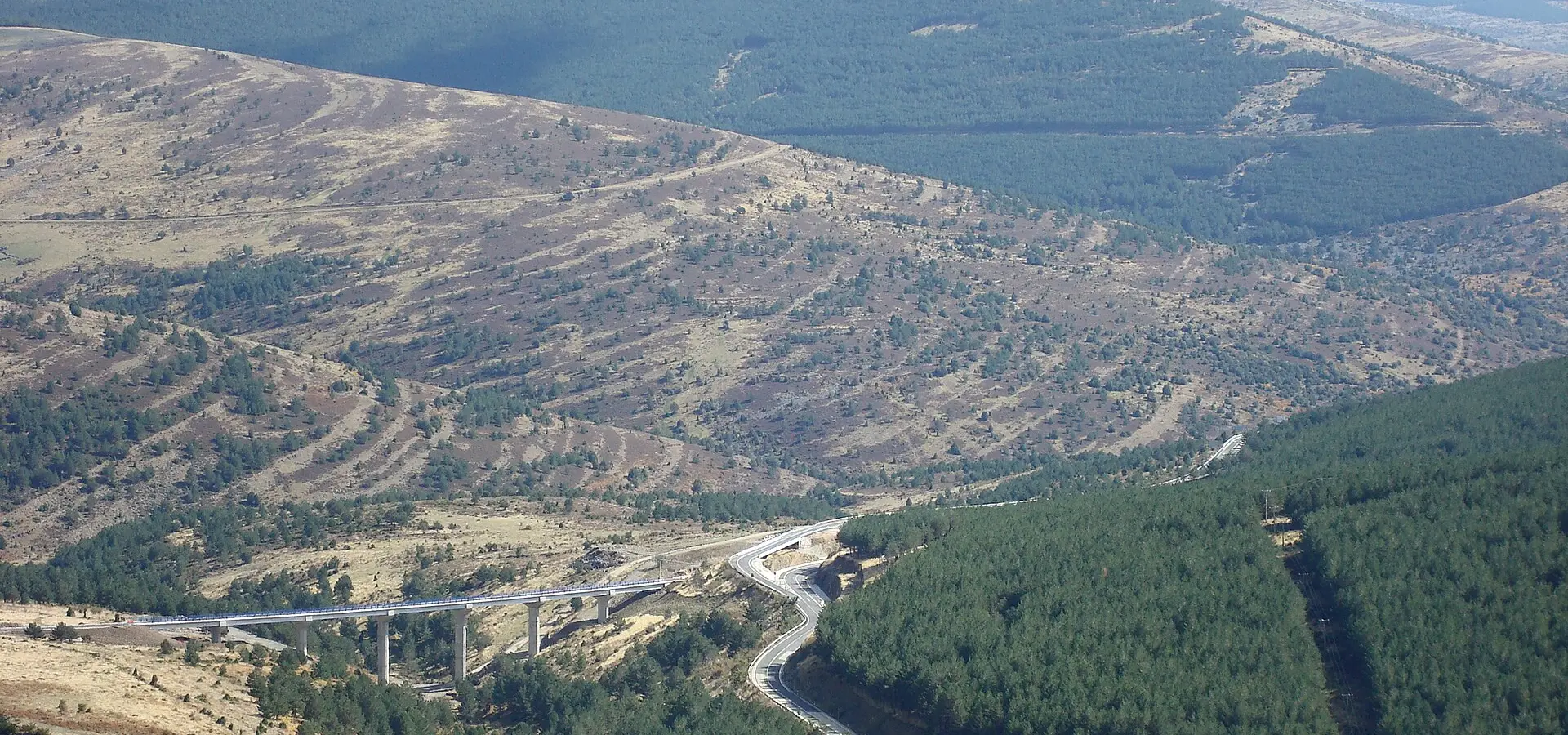
Cameros and the slate villages
Best Season
Snow in winter. Best May-October.
The Cameros in La Rioja are a world apart: slate villages such as Villoslada, the Puerto de Piqueras and lonely roads through oak groves. One of the most unspoilt areas of La Rioja.
Highlights
- 1Puerto de Piqueras (1,710 m)
- 2Parque Natural Sierra Cebollera
- 3Villoslada de Cameros
- 4Solitary roads
About this route
The Riojan Cameros is one of the most depopulated and solitary regions in all of Spain. Located in southern La Rioja, in the heart of the Iberian Range, it's a world apart: small villages lost in tightly hemmed-in valleys, rivers running through oak and pine forests, almost empty secondary roads, and a tragic history of mass depopulation during the 20th century. In 1900, the Cameros had more than 25,000 inhabitants; today barely 3,500 remain, and many villages have lost more than 90% of their original population, reduced to hamlets inhabited by a dozen elderly residents in winter. For the curious rider, this human emptiness means absolutely solitary roads and untouched landscapes.
Villoslada de Cameros, capital of the Cameros Nuevos region, is the logical base for any motorbike exploration of the area. Here is the entrance to the Parque Natural Sierra Cebollera, the first natural park ever created in La Rioja (1995), which protects more than 23,000 hectares of Mediterranean and Atlantic forests in transition. The forest density is extraordinary: sessile oaks, beeches, Scots pines, birches, hollies and an incredibly diverse understory all survive here. The park is also home to some of the few remaining populations of middle spotted woodpecker (a rare species) left in La Rioja, and it's a passing area for deer and roe deer.
The Puerto de Piqueras, at 1,710 m altitude, is the highest point of the route and one of the highest paved mountain passes in the entire eastern half of the Iberian Peninsula outside the Pyrenees. The N-111 crosses here, one of Spain's oldest national roads (its current layout dates from the 19th century, but the natural pass has been used since pre-Roman times), connecting Logroño with Soria through the heart of the Iberian System. The climb from Villoslada is long and technical, with sweeping curves and generally good tarmac. The views from the top of the pass, on clear days, take in the entire Ebro basin to the north and the high Soria moorlands to the south. It's one of those passes that clearly marks the crossing between two completely different geographical worlds.
An architectural oddity of the Cameros is the abundance of "houses stuck to the rock": traditional dwellings literally built beneath natural stone walls, using the rock as a back wall and partial roof. This technique, born from the abundance of slate and sandstone in the area and the need to build thermally efficient shelters with minimal materials, has left unique architectural examples in villages such as Lumbreras, Ortigosa and Hornillos. In winter, when temperatures can drop to -15°C, these houses maintain a stable indoor climate of 8-10°C without heating, thanks to the thermal inertia of the rocky wall.
Rider's notes: the Cameros are cold in winter, with frequent snowfall and morning frosts. The best season runs from May to October. Fuel up in Logroño or Soria before heading into the area; within the Cameros there are only two working petrol stations (Villoslada and Soto en Cameros). For food, in Villoslada the Mesón La Olma offers traditional mountain cuisine with local produce (lamb, artisan cured meats, wild mushrooms) at popular prices. One tip: if you go in autumn (October-November), the beech woods of the Parque Natural Sierra Cebollera turn gold and red in a chromatic spectacle few visitors expect to find in La Rioja. It's one of the best-kept forest secrets of central Spain.
Route stops
Villoslada de Cameros
Village
Highland village of the Cameros.
Puerto de Piqueras
Viewpoint
Pass at 1,710 m towards Soria.
Practical information
Weather
Snow in winter. Best May-October.
Traffic
Very low traffic.
Fuel stops
Petrol stations in Logroño and Villoslada.
Where to stay on this route
The towns this route passes through — useful for splitting it into stages or sleeping near the start. Book ahead in high season.
- Villoslada de CamerosSee places to stay
- LogroñoSee places to stay
Affiliate links: if you book through them, Nomadiq earns a small commission at no extra cost to you.
Related routes
Sierra de la Demanda and San Millán
La Rioja
Rioja Alavesa: vineyards and Laguardia
La Rioja
Valvanera, Monasteries and La Rioja's Sierra de la Demanda
La Rioja

Urederra Source and Urbasa-Andía Plateau
Navarre