Valles Pasiegos and Puerto de la Sía
Best Season
Frequent rain. Pleasant summer.
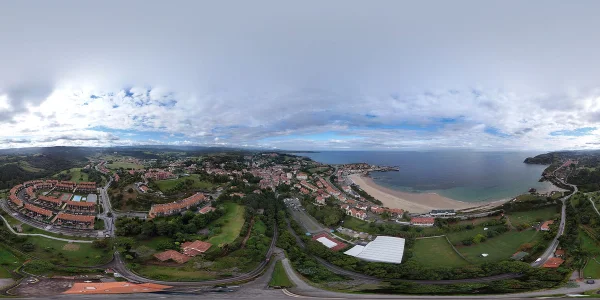
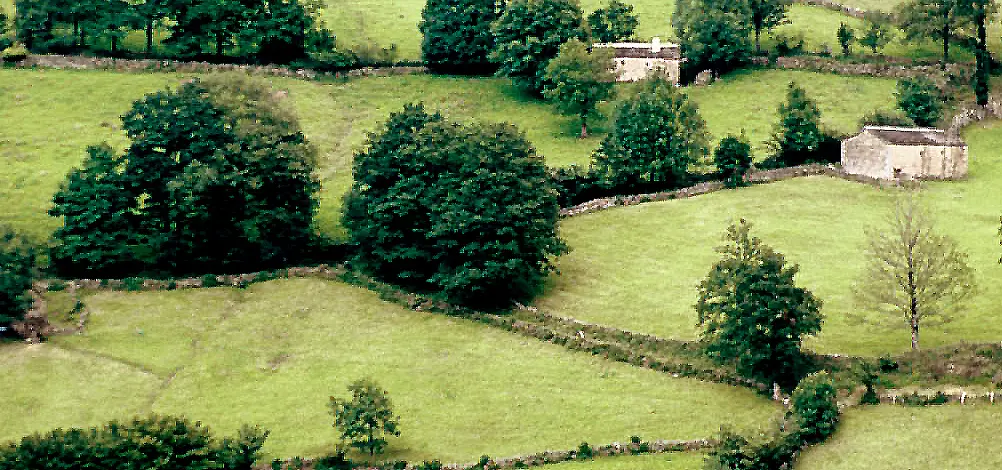
The Cantabrian Pasiegos Valleys, with their huts and green meadows, and the Puerto de la Sía, a viewpoint overlooking Burgos and the Soba Valley.
Highlights
- 1Vega de Pas and the Pasiegos
- 2Puerto de la Sía (1,200 m)
- 3Valle de Soba
- 4Pasiega cabins
About this route
The Valles Pasiegos are one of the most culturally distinctive regions in all of Spain. The pasiegos —traditional inhabitants of these valleys in central Cantabria— developed over centuries a way of life absolutely unique in Western Europe: transhumant herding over short distances but at extremely high frequency. Each family had up to three or four cabin-houses distributed across different altitude levels (from the valley floor at 200 m to the high brañas above 1,000 m), and they would move with their flocks and belongings between them up to five times a year, chasing the best pasture. This system, called "muda," organized all pasiego life for more than five centuries.
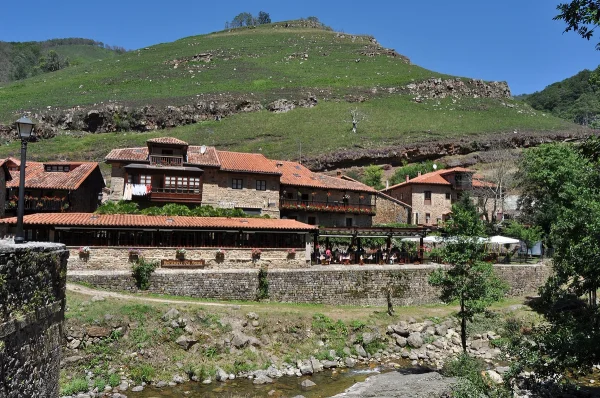
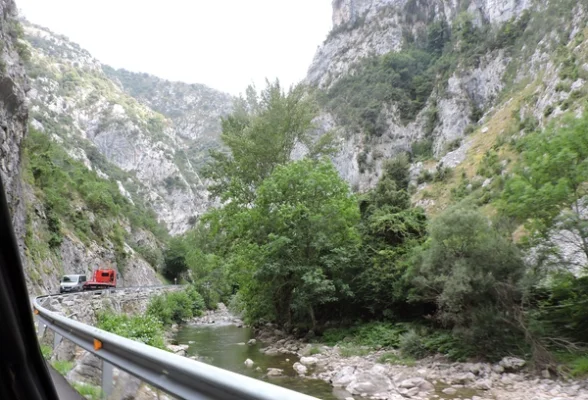
The landscape of the Valles Pasiegos is the direct consequence of that system: a mosaic of green meadows dotted with perfectly square stone cabins, all identical, each one with its associated meadow enclosed by dry stone walls, forming a geometric pattern that from the air looks handcrafted. It is one of the most beautiful cultural landscapes in Europe and is on the UNESCO provisional list to be declared a World Heritage Site. The CA-261 road between Vega de Pas and Selaya crosses the heart of this landscape and is probably the best possible introduction to pasiego culture.
Vega de Pas, historic capital of the pasiegos, is a modest but deeply traditional village. Here the famous pasiego cheese is made, produced with raw milk from cows that still graze freely in the high meadows, along with sobaos pasiegos, that dense butter sponge cake whose tradition is centuries old and which today is sold throughout Spain (although the industrialized version bears no resemblance to the artisanal one). It's worth stopping at any of the small bakeries in the village to try the originals: they are dense, buttery, deeply flavorful, and are traditionally accompanied by raw pasiega cow's milk.
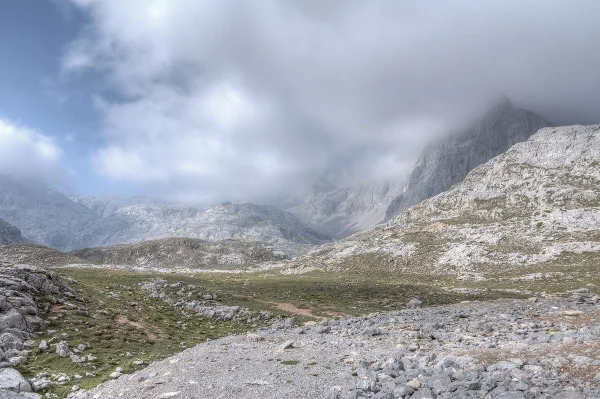
The Puerto de la Sía (1,200 m) is a small rider's gem practically unknown outside of Cantabria. It climbs via the CA-261 from Vega de Pas up to the Burgos border, crossing centuries-old beech forests and alpine meadows where cows graze freely in summer. The road is narrow but the asphalt is well maintained, the curves are technical and constant, and from the top of the pass the views to the south embrace the north of Burgos —the Burgos Lora— and, on clear days, all the way to the Sierra de la Demanda in La Rioja. It's one of those secondary passes where there is never any traffic and where the rider can ride as if the road were his own.
For the rider, this route has the appeal of combining living ethnography with technical asphalt. It is physically comfortable (few kilometers, no major passes), but culturally dense. The optimal season runs from May to October. Refuel in Vega de Pas or Selaya before venturing onto the lesser secondary roads. For food, there is a legendary restaurant for the pasiegos: Casa Aniceto in Espinosa de los Monteros (just after crossing into Burgos), where they serve traditional stews and meat from the pasiega cows themselves at affordable prices. And if you have half an hour extra, drop down to the Cueva del Soplao from the Valle del Asón: it's the cave with the most spectacular eccentric formations in all of Europe, discovered by chance by miners in 1908.
Route stops
Puerto de la Sía
Viewpoint
Pass at 1,200 m towards Burgos.
Ramales de la Victoria
Village
Village with prehistoric caves.
Practical information
Weather
Frequent rain. Pleasant summer.
Traffic
Low traffic.
Fuel stops
Petrol stations in Vega de Pas and Ramales.
Where to stay on this route
The towns this route passes through — useful for splitting it into stages or sleeping near the start. Book ahead in high season.
- Ramales de la VictoriaSee places to stay
- Vega de PasSee places to stay
Affiliate links: if you book through them, Nomadiq earns a small commission at no extra cost to you.