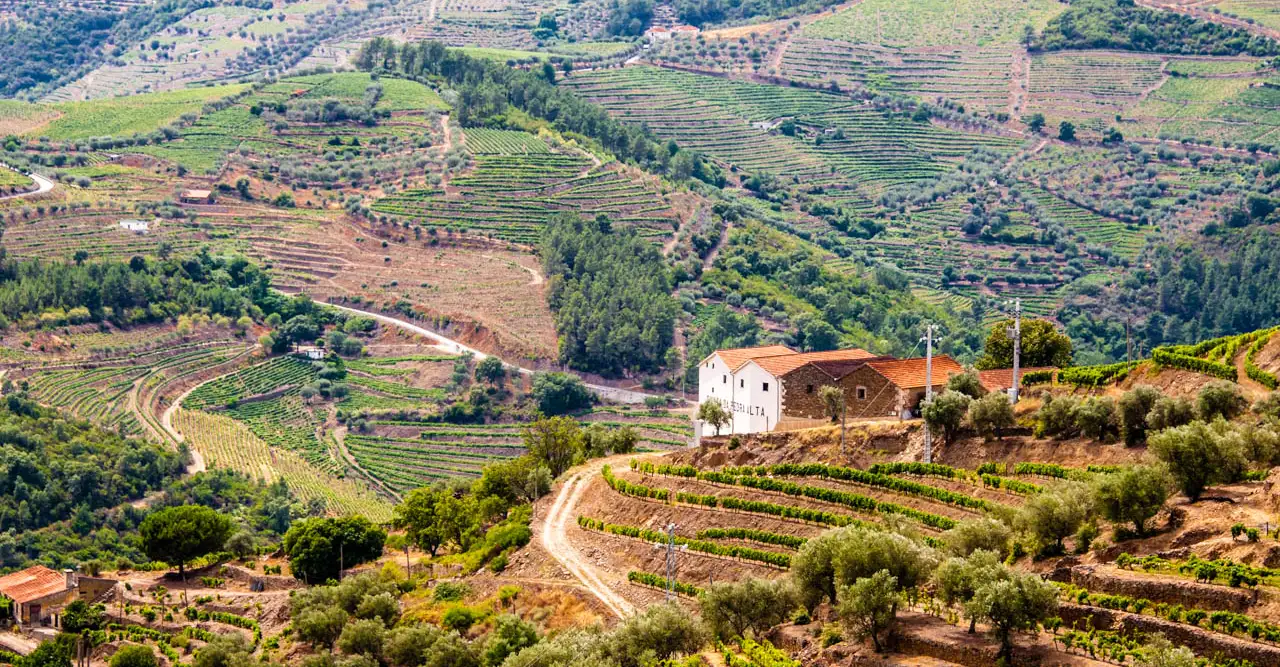
Douro Valley: Port Wine and Terraces
The Douro Valley (UNESCO), with its terraced vineyards overlooking the river, the Port wine estates and winding roads through one of the world’s most beautiful wine-growing landscapes.
Checking the route…
Roadbook
5 points- km 0Start
Peso da Régua
354 m - km 30.9
Pinhão
89 mThe heart of the Douro wine region, with its tiled station.
Village - km 50.5
Quinta do Crasto
179 mA historic wine estate overlooking the river.
Monument - km 73
Mirador de São Leonardo de Galafura
629 mPanoramic view of the Douro Valley and the terraces.
Viewpoint - km 82.4Finish
Peso da Régua
354 m
Take the route to Google Maps
- Peso da Régua
- Pinhão
- Quinta do Crasto
- Mirador de São Leonardo de Galafura
- Peso da Régua
We add waypoints from the GPX so Google Maps sticks to the route's roads (they show up as extra stops). To follow the exact track, use the GPX.
Profile
54 → 630 mRoadbook distances and heights come from the route GPX.
Highlights
- 01Douro Valley (UNESCO): vineyard terraces
- 02N222: one of the best roads in the world
- 03Port wine estates
- 04Pinhão: a railway station with hand-painted tiles
About this route
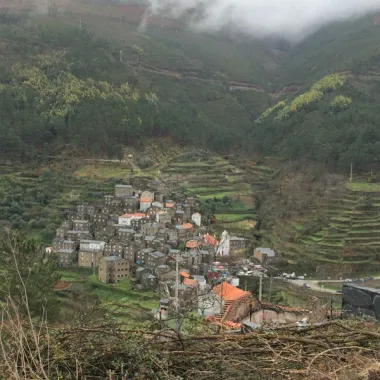
The Douro Valley is probably the most spectacular and dramatic wine landscape in all of Europe. Declared a UNESCO World Heritage Site in 2001, it is a system of vineyard terraces covering the schist hillsides along the Douro River for over 200 km, forming a mosaic of bancales painstakingly built over centuries by generations of winemakers. The first time a rider sees the Douro Valley from one of the viewpoints along the N222, the reaction is invariably one of awe: it is a landscape of almost unreal beauty, with the river winding below between walls of vineyards climbing vertically up to 800 metres.
The N222 between Peso da Régua and Pinhão is regarded by many international publications as one of the ten best roads in the world for driving. The route follows the course of the Douro for around 21 km, with constant bends, perfect tarmac (the Portuguese are obsessive about maintaining this tourist route), and views of the river and the terraces whenever the landscape opens up. It is one of those roads where the motorbike seems to ride itself and the rider can enter a state of total flow.
Port wine has been produced exclusively in this valley since the 17th century, when English merchants began fortifying the local wines with brandy so they could survive the voyage by ship to London. The Douro's "quintas" (wine estates) are a world apart: baroque palaces amid vineyards where you can visit, taste and buy some of Portugal's finest wines. Quinta da Pacheca, Quinta do Crasto and Quinta Nova are among the most accessible for the visiting rider.
Pinhão, in the heart of the valley, is a tiny village with a surprising detail: its railway station is decorated with hand-painted tile panels from the 20th century depicting grape-harvest scenes and daily life along the Douro. It is probably the most beautiful train station in Portugal. From Pinhão you can sail the Douro aboard a barco rabelo — the traditional flat-bottomed boats once used to transport wine barrels down to Porto — and see the terraces from the river's perspective.
Practical rider info: the Douro Valley is accessible year-round with a Mediterranean climate. In September–October it coincides with the grape harvest and the vineyards are at their chromatic peak. The roads are excellent but Portuguese petrol is expensive. For accommodation, Quinta Nova de Nossa Senhora do Carmo is a wine hotel with river views. For eating, in Pinhão the Restaurante Veladouro serves bacalhau à lagareiro (oven-baked cod with olive oil and potatoes) and a 20-year tawny Port as a digestif.
Practical information
Weather
Mediterranean. Hot summers in the valley. Spectacular in September–October (grape harvest).
Traffic
Light traffic. More tourists in summer and during the grape harvest.
Fuel stops
Petrol stations in Peso da Régua, Pinhão and Vila Real.
Where to stay on this route
The towns this route passes through — useful for splitting it into stages or sleeping near the start. Book ahead in high season.
- PinhãoSee places to stay
- Quinta do CrastoSee places to stay
- Peso da RéguaSee places to stay
Affiliate links: if you book through them, Nomadiq earns a small commission at no extra cost to you.
Published on