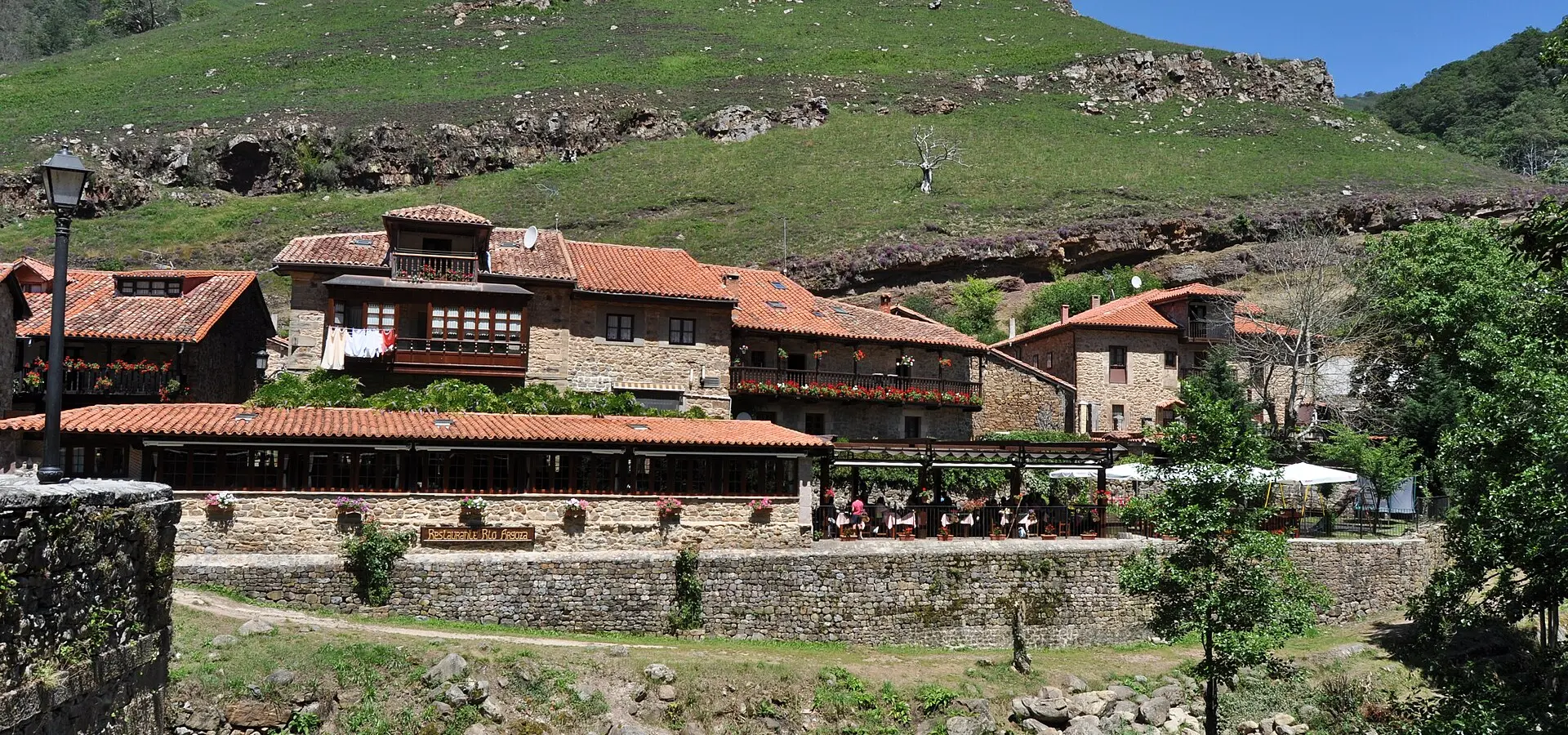
Saja-Besaya: Bárcena Mayor and Reinosa
Best Season
Frequent rain. Spectacular autumn.
The Saja-Besaya Natural Park hides one of the most authentic villages in Cantabria, Bárcena Mayor, and lonely roads between oak and beech forests.
Highlights
- 1Bárcena Mayor: Historic Centre
- 2Palombera Pass (1,260 m)
- 3Ebro Reservoir
- 4Saja-Besaya Natural Park
About this route
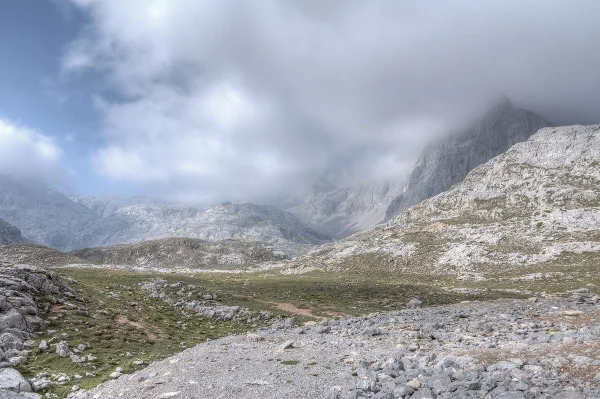
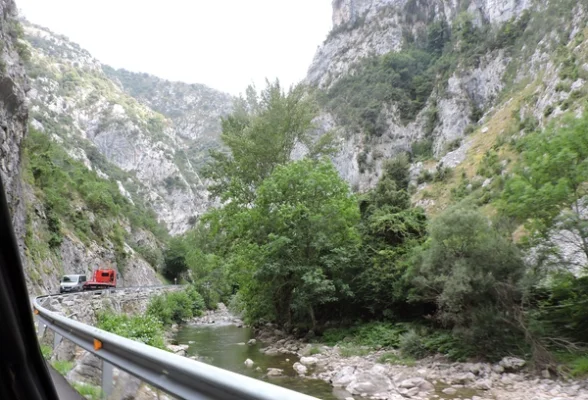
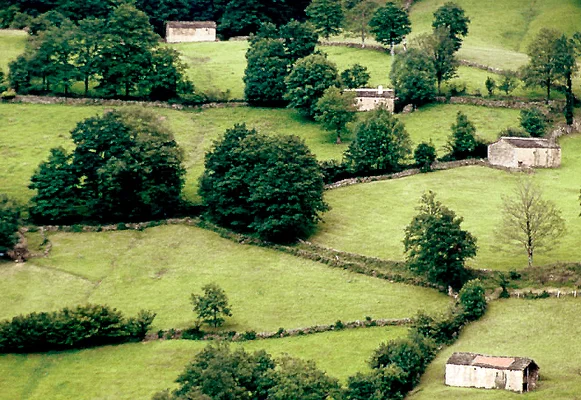
The Saja-Besaya Natural Park covers more than 24,000 hectares in the very heart of Cantabria and is one of the best-preserved forest areas in the entire Cantabrian mountain range. It is dominated by centuries-old beech and oak forests, with higher areas of alpine meadow and some areas of glacially formed peat bogs. For motorcyclists, the most appealing aspect of the park is that it is criss-crossed by secondary roads in very good condition and with virtually no traffic, allowing for days of riding deep within the Cantabrian Atlantic forest, bathed in that special greenish light that only beech woods provide in the height of summer.
Bárcena Mayor, the park’s hidden gem, is probably the most authentic village in the whole of Cantabria. It has been designated a National Historic Site since 1979, and all its houses retain the traditional Cantabrian architecture of the 17th and 18th centuries: stone mansions with wooden balconies, red-tiled roofs, coats of arms and an intact medieval town layout. The reason for such authenticity is a tragic one: Bárcena Mayor was virtually abandoned during the 20th century and has only been revived in the last three decades as a rural tourism destination. This has made it possible to restore the buildings without ‘modernising’ them and to preserve an urban landscape that has been lost forever in other parts of the north.
The Palombera Pass (1,260 m), which links the Saja-Besaya Park with the Reinosa area, is one of those lesser-known but delightful mountain passes that curious motorcyclists love so much. The climb from Saja along the CA-280 passes through primeval beech forests with trees dating back several centuries, and the viewpoints at the top of the pass offer a unique panoramic view of the whole of southern Cantabria, including the Ebro Reservoir to the north and the Cantabrian mountain range to the west. The road is well maintained and there is virtually no traffic outside of summer weekends.
Reinosa, to the south of the park, is the capital of the Campoo region and one of the highest and coldest towns in Cantabria. This is where the River Ebro, Spain’s largest river by volume, has its source, at a spring called Fontibre, just five kilometres from the town. Visiting it is a fascinating geographical experience: seeing the river that will eventually flow through the whole of Spain to the Mediterranean spring from a crevice. The Ebro reservoir, just north of Reinosa, has a tragic history: it was built in the 1940s and flooded several entire villages in the valley, whose inhabitants had to be rehoused. The bell towers of the submerged churches can still be seen during years of severe drought.
For motorcyclists, this route combines the best of inland Cantabria: dense forests, authentic villages, lesser-known mountain passes and very little traffic. The best time of year is from May to October. In winter, the Puerto de Palombera may be closed due to snow. Fill up with petrol in Cabezón de la Sal at the start and in Reinosa halfway along the route. For lunch, in Bárcena Mayor, the Mesón Río Argoza serves ‘cocido montañés’ (the Cantabrian version of cocido) and meat from the local Tudanca cattle. In Reinosa, the Frey Manuel bakery makes the best polvorones in Cantabria: a Campurrian baking tradition well worth discovering. One final note: in autumn, the beech forests of the Saja turn golden, and the display of colours is one of the most beautiful in the north of the peninsula, rivalled only by the beech forest of Otzarreta in the Basque Country.
Route stops
Bárcena Mayor
Village
Cantabrian Historic Site.
Puerto de Palombera
Viewpoint
Pass at 1,260 m.
Practical information
Weather
Frequent rain. Spectacular autumn.
Traffic
Low traffic.
Fuel stops
Petrol stations in Cabezón de la Sal and Reinosa.
Where to stay on this route
The towns this route passes through — useful for splitting it into stages or sleeping near the start. Book ahead in high season.
- Bárcena MayorSee places to stay
- Cabezón de la SalSee places to stay
Affiliate links: if you book through them, Nomadiq earns a small commission at no extra cost to you.