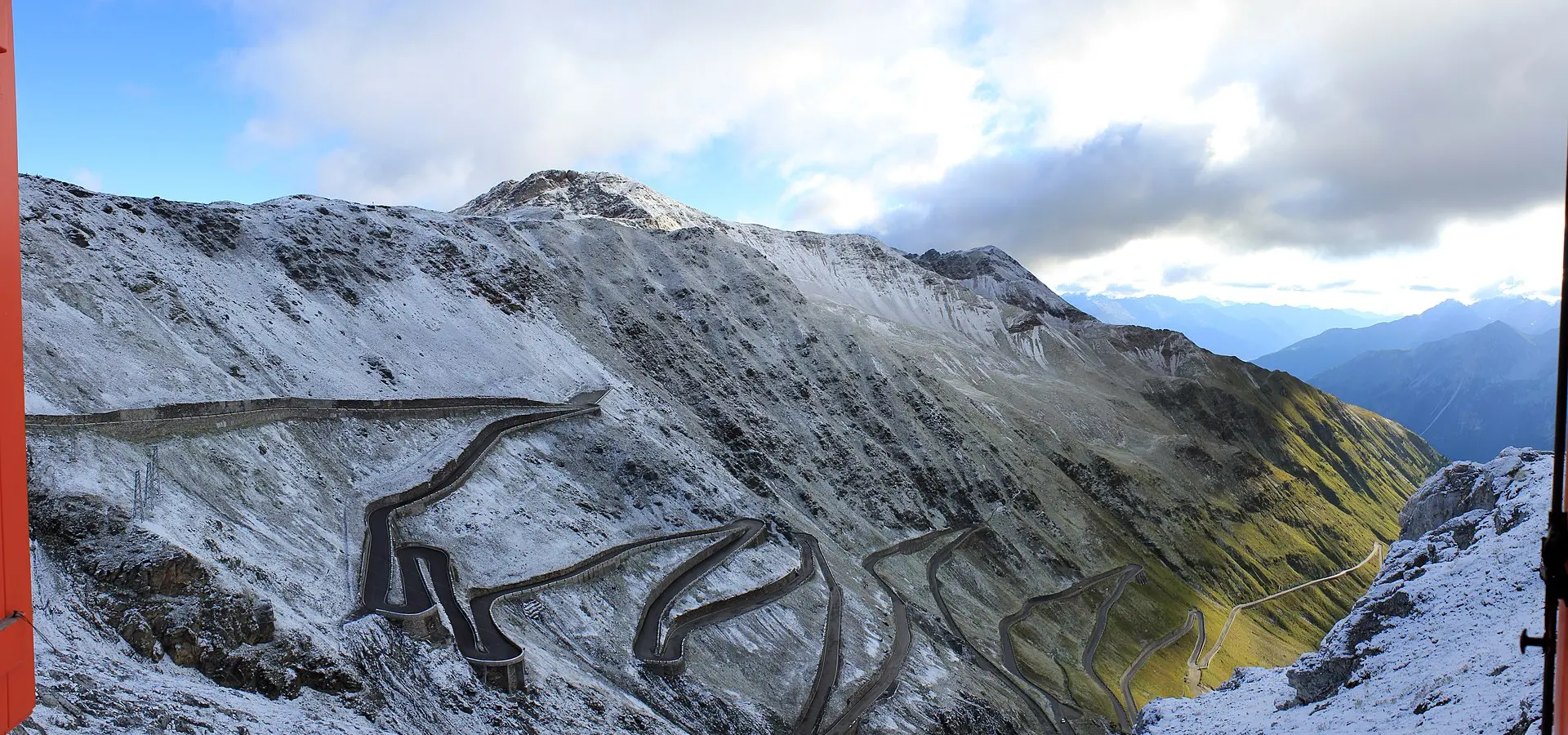
Stelvio Pass: the Legendary 48 Hairpins
Best Season
Open late May-mid October. Snow possible even in summer at the top. Sudden fog frequent. Temperature 5C at summit in August.
The Stelvio Pass (2,757 m) is the second-highest paved pass in Europe and the world's most famous mountain road. Its 48 numbered hairpin bends on the Bormio side are an icon of alpine motorcycling.
Highlights
- 1Stelvio (2,757 m): second-highest paved pass in Europe
- 248 numbered hairpin bends on the Bormio side
- 3Stelvio Glacier: summer skiing
- 4Bormio: Roman thermal baths and Valtellina pizzoccheri
About this route
The Passo dello Stelvio is, quite simply, the most famous mountain road on the planet. Built by the Austrian Empire between 1820 and 1825 to connect the province of Tyrol with Lombardy across the Alps, the Stelvio reaches 2,757 metres above sea level, making it the second-highest paved pass in Europe (behind only the Col de l'Iseran in France, and that by a mere 13 metres). But what makes the Stelvio a legend is not just its altitude: it is the sheer spectacle of its layout, especially on the eastern side from Bormio, where 48 perfectly numbered hairpin bends climb up the mountain wall in a succession of zigzags that, seen from above, look like a child's attempt to fill an entire hillside with scribbles.
The geology of the Stelvio is purely Alpine: gneiss, mica schists and metamorphic rocks from the Precambrian and Palaeozoic eras that form the crystalline core of the Central Alps. At the summit, the exposed rocks are over 500 million years old and have been compressed, folded and metamorphosed by the Alpine orogeny into twisted shapes visible in the road cuts. The Stelvio Glacier (Ghiacciaio dello Stelvio), which hangs above the road on the southern side, is one of the last Alpine glaciers that still allows summer skiing, although it retreats dramatically each year due to climate change.
The Bormio side (east) is the most famous and most photographed: the 48 bends, marked with wooden posts, climb 1,533 metres of elevation gain over 21.5 km, with maximum gradients of 14% and a width that allows two vehicles to pass with reasonable clearance (though the moments of tension when you meet a tourist coach on a tight hairpin are memorable). The Prato allo Stelvio side (north) is longer (24.3 km) but less visually spectacular, with a more open layout through alpine meadows. The Swiss side (via the Umbrailpass) is the narrowest and least trafficked.
Bormio, the gateway town on the eastern side, is an Alpine thermal spa town with a history stretching back to Roman times (its hot springs were already known to Pliny the Elder). The Bagni Nuovi and Bagni Vecchi offer the experience of bathing in 40°C thermal waters with views of the snow-capped Alpine peaks. The cuisine of the Valtellina (the valley of Bormio) is one of the richest in northern Italy: pizzoccheri (buckwheat pasta with cheese, potato and cabbage), bresaola (beef cured in the Alpine air), sciatt (crispy cheese fritters) and the Sforzato and Sassella wines from the valley.
Practical tips for riders: the Stelvio is normally open from late May to mid-October, but the dates vary each year depending on snowfall. In July and August, traffic is very heavy (cars, motorbikes, motorhomes, cyclists, coaches); the only way to enjoy it is to get up early and be in Bormio by 7:00, climbing with the first light. Toll: free. Fuel stations: in Bormio and Prato allo Stelvio; none at the summit. The temperature at the top can be as low as 5°C even in August, and sudden fog can reduce visibility to zero within minutes.
Route stops
Bormio
Village
Alpine thermal town, base for the Stelvio climb.
Passo dello Stelvio (2.757 m)
Viewpoint
Summit of Europe's second-highest pass with glacier.
Prato allo Stelvio
Village
Tyrolean village on the northern side of the pass.
Practical information
Weather
Open late May-mid October. Snow possible even in summer at the top. Sudden fog frequent. Temperature 5C at summit in August.
Traffic
Very heavy traffic July-August. Early start essential. Tourist buses on the hairpins.
Fuel stops
Petrol stations in Bormio and Prato allo Stelvio. Nothing at the summit.
Where to stay on this route
The towns this route passes through — useful for splitting it into stages or sleeping near the start. Book ahead in high season.
- BormioSee places to stay
- Prato allo StelvioSee places to stay
Affiliate links: if you book through them, Nomadiq earns a small commission at no extra cost to you.
Related routes
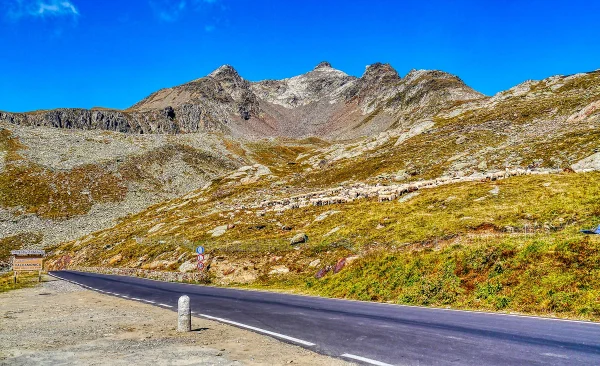
Gavia Pass: the Wild Pass
Dolomites and Italian Alps
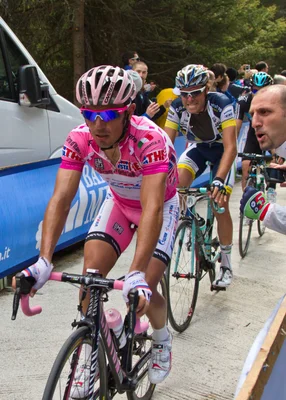
Mortirolo Pass: Cycling's Steepest Ramp
Dolomites and Italian Alps
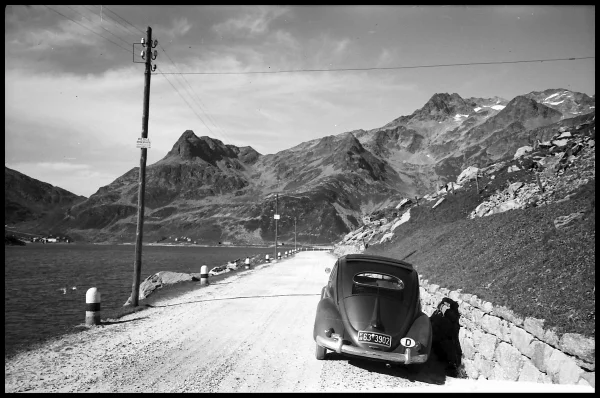
Splugen Pass: the Historic Italo-Swiss Route
Dolomites and Italian Alps
Lake Garda: the Gardesana Occidentale
Dolomites and Italian Alps