Lake Garda: the Gardesana Occidentale
Best Season
Mediterranean climate. Accessible all year. Northerly wind (Ora) in the afternoon. Hot in summer.
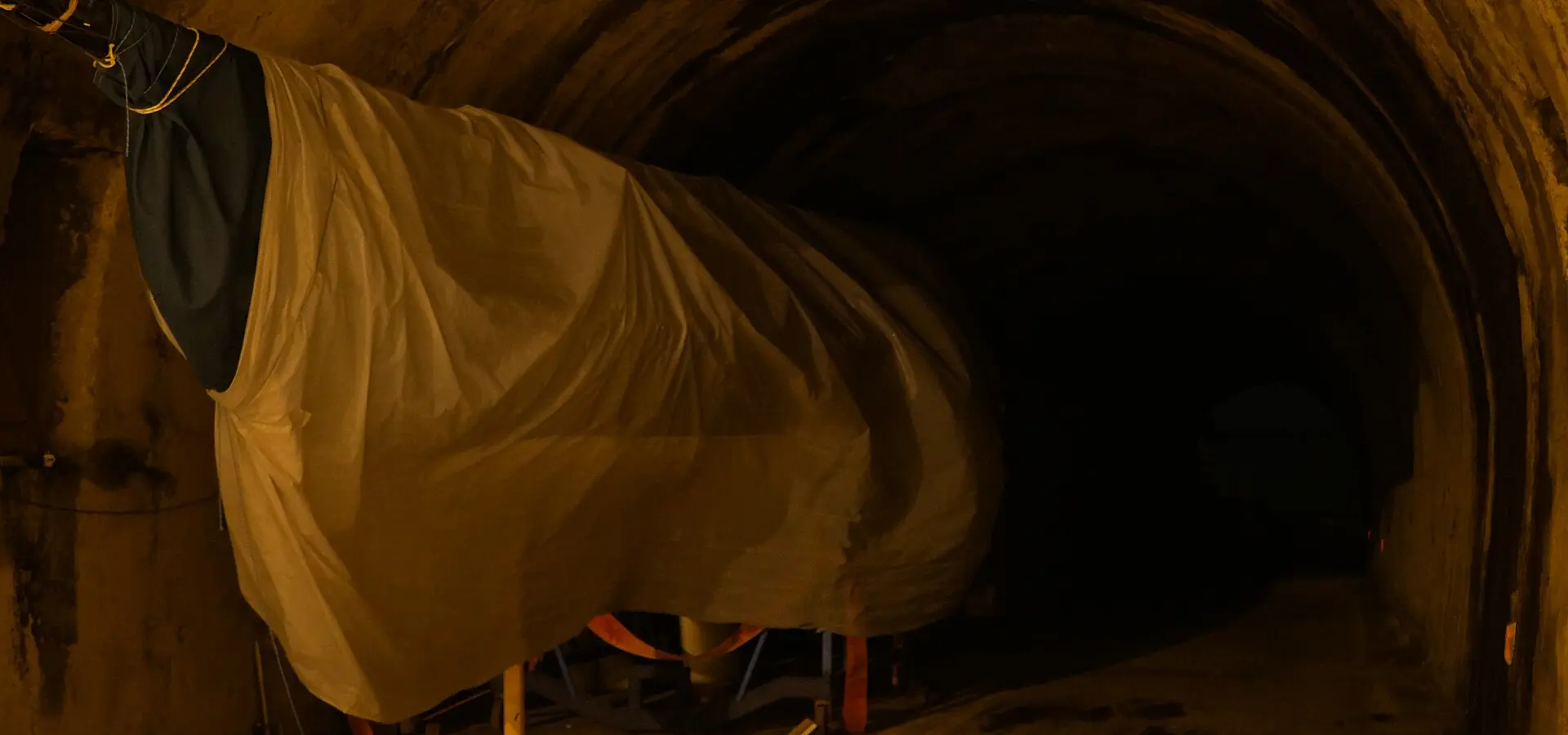
Lake Garda, Italy's largest lake, offers a legendary coastal road: the Gardesana Occidentale, with tunnels carved in rock, vertical cliffs above the water and picture-postcard medieval villages.
Highlights
- 1Gardesana Occidentale: tunnels carved in rock and cliffs over the lake
- 2Limone sul Garda: lemon houses dating to the 13th century
- 3Riva del Garda: Renaissance town at the foot of the Alps
- 4DOP Garda olive oil and Lugana wine
About this route
Lago di Garda is Italy's largest lake (370 km2) and a fascinating geographical anomaly: a lake with an almost Mediterranean climate nestled in the Lombard pre-Alps, where lemon trees, olive groves and bougainvillea grow just an hour away from the perpetual snows of the Alps. The Gardesana Occidentale (SS45bis), the road that traces the western shore from Salo to Riva del Garda, is one of the most spectacular coastal roads in all of Europe: 45 km of tunnels carved into the living rock, balconies hanging over the blue void of the lake, tight bends between cliffs and medieval villages where the houses are reflected in the water.
The geology of Lago di Garda is that of a giant glacial valley carved during the Quaternary ice ages. The Garda glacier, descending from the Alps, gouged out a basin 346 metres deep (the northern part of the lake is an alpine fjord) and deposited the moraine hills that close off the southern outlet. The vertical limestone walls that flank the Gardesana Occidentale are part of the pre-Alpine bedrock, cut cleanly by the road in the early twentieth century in an engineering feat that required years of work with dynamite.
The Gardesana passes through some of the most charming villages in northern Italy. Limone sul Garda, wedged between cliff and water, is famous for its historic lemon houses (the limonaie, lemon greenhouses protected by stone walls dating back to the thirteenth century). Gargnano preserves the palace where D.H. Lawrence wrote part of his work and where Mussolini established the Republic of Salo in 1943. Riva del Garda, at the northern tip, is a Renaissance town with a fortress on the water and the starting point for excursions to the spectacular Lago di Tenno.
The cuisine of the Garda is one of the most refined in northern Italy. Garda olive oil (DOP) is one of the northernmost in the world and has a delicate, fruity flavour. The lemons of Limone (IGP) are used in liqueurs, desserts and fish dishes. The lake fish — especially carpione (lake trout), sardina di lago and coregone (whitefish) — are prepared grilled, as carpaccio or pickled. And Lugana wine, a white from the southern shore, is one of Italy's most elegant whites.
Practical tips for riders: the Gardesana is accessible year-round, but in July and August traffic is hellish (it is the busiest road on Italy's lakes). The tunnels with inadequate lighting demand caution — keep your visor up or switch to a clear one. The best strategy is to ride the Gardesana early in the morning (leave Salo by 7:30) and arrive in Riva del Garda for lunch. Fuel stations in Salo, Gargnano and Riva del Garda. For a full day, combine the Gardesana with the climb up Monte Baldo (1,760 m) via the road from Malcesine.
Route stops
Gargnano
Village
Historic village with D.H. Lawrence's palazzo and lemon groves.
Limone sul Garda
Village
Village squeezed between cliffs with 13th-century lemon houses.
Riva del Garda
Village
Renaissance town at the northern tip of the lake.
Practical information
Weather
Mediterranean climate. Accessible all year. Northerly wind (Ora) in the afternoon. Hot in summer.
Traffic
Terrible traffic July-August. Dark tunnels: caution. Best to start early.
Fuel stops
Petrol stations in Salo, Gargnano and Riva del Garda.
Where to stay on this route
The towns this route passes through — useful for splitting it into stages or sleeping near the start. Book ahead in high season.
- GargnanoSee places to stay
- Limone sul GardaSee places to stay
- Riva del GardaSee places to stay
Affiliate links: if you book through them, Nomadiq earns a small commission at no extra cost to you.
Related routes
Mortirolo Pass: Cycling's Steepest Ramp
Dolomites and Italian Alps
Road of the 52 Tunnels (Pasubio): the Great War Road
Dolomites and Italian Alps
Gavia Pass: the Wild Pass
Dolomites and Italian Alps
Stelvio Pass: the Legendary 48 Hairpins
Dolomites and Italian Alps