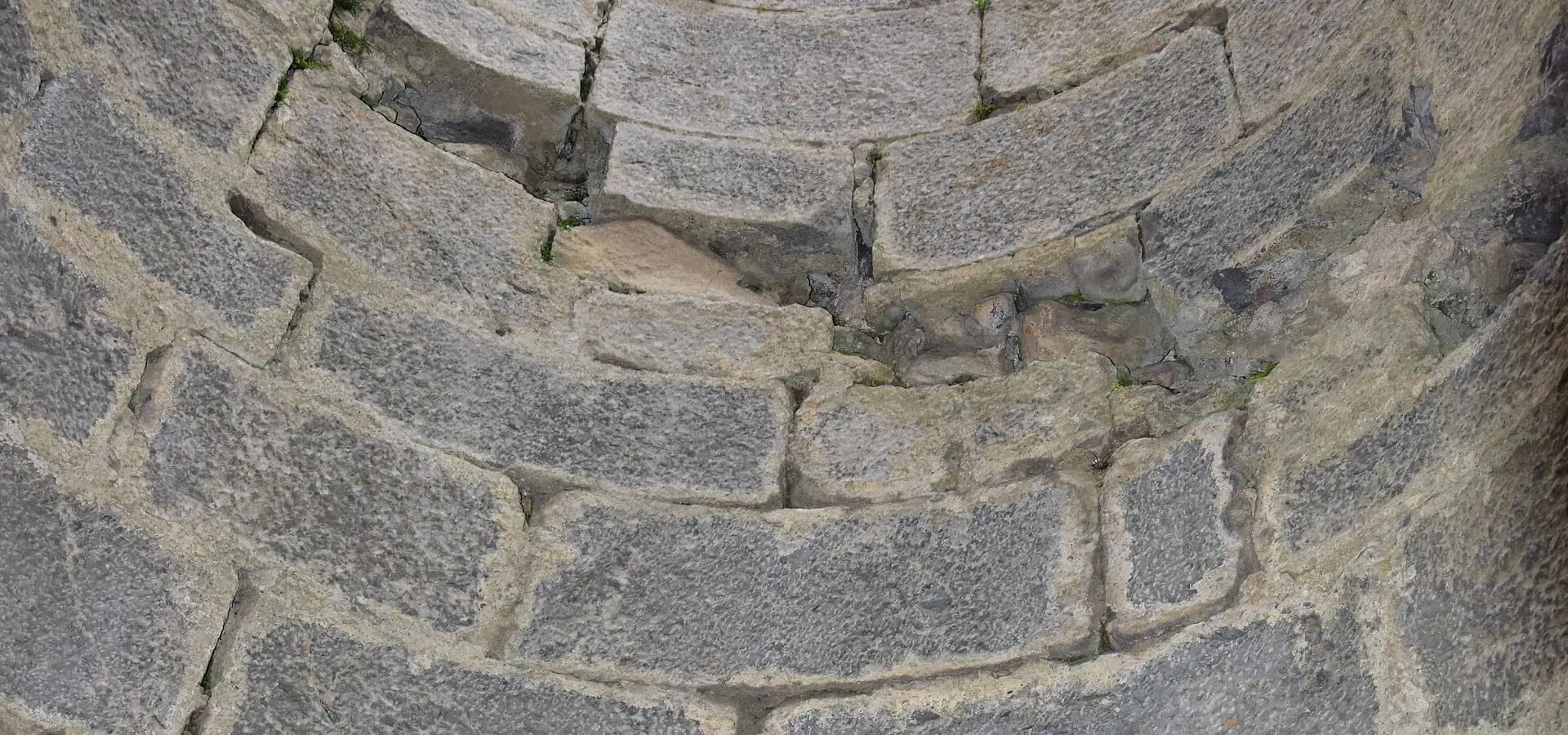
Foix, Montségur and the Cathar castles of Ariège
Best Season
Accessible almost all year round. High passes with snow in winter. Best April-November.
Cathar castles in the Ariège: Montségur, Roquefixade, the castle of Foix. Impossible fortresses on vertical cliffs, a tragic history and empty roads in the mid-French Pyrenees.
Highlights
- 1Montségur: Cathar castle and site of the 1244 martyrdom
- 2Château de Foix: three towers on a crag
- 3Grotte de Niaux: Paleolithic cave paintings (detour)
- 4Ariège roads: empty and well-surfaced
About this route
The Ariège is probably the least known and wildest department in the entire French Pyrenees, and precisely for that reason it is a paradise for riders. While cyclists crowd the Tourmalet and skiers flock to Cauterets, the Ariège remains off the mass tourist trail, preserving a solitude and authenticity that are hard to find elsewhere in southern France. Its back roads are excellent (the French maintain even the most remote country lanes), traffic is nearly nonexistent outside the summer months, and the landscape blends high Pyrenean peaks with the farming valleys of the mid-Pyrenees.
Montségur is the most symbolically charged place in all of Cathar history. Here, in March 1244, more than 200 Cathars — men, women and children who had taken refuge in the fortress during the ten-month siege of the Albigensian Crusade — were burned alive in a mass pyre at the foot of the castle after refusing to renounce their faith. The current castle (later rebuilt on the ruins) sits atop a sheer cliff at 1,207 m and can be reached on foot in about 30 minutes from the parking area. The views from the top take in the entire Ariège Pyrenees, and the history of the site gives the landscape an emotional depth that is hard to match.
The Château de Foix, capital of the department, is another must-see monument on the route. Three medieval towers crown a limestone crag right in the heart of town, visually dominating the entire Ariège valley. Foix was for centuries the capital of the independent County of Foix, one of the most powerful lordships in southern France, and it was the Count of Foix himself who gave refuge to many Cathars persecuted during the Albigensian Crusade. The castle can be visited and houses a museum devoted to Cathar history and the Occitan Middle Ages.
The roads of the Ariège are a rider's delight. The D117 between Foix and Lavelanet, the D9 toward Montségur, the D909 through the Vicdessos Valley: all are well-surfaced roads with gentle but constant curves, and traffic on weekdays is virtually nil. The scenery is classic mid-Pyrenees: forested hills, small farming valleys, crystal-clear rivers and stone villages that seem not to have changed in five centuries.
Rider's notes: the Ariège is accessible nearly year-round, although the higher passes (Port de Lers, Col de Port) can be snowbound in winter. The best season runs from April to November. Refuel in Foix or Lavelanet. For lunch, in Foix the Restaurant Le Phoebus (in the old town) serves Ariégeoise cuisine with Pyrenean products. A tip: if you have the time, the detour to the Grotte de Niaux (one of the most important prehistoric painted caves in France, open to the public with limited visits) perfectly rounds out the route with a fascinating prehistoric dimension.
Route stops
Castillo de Foix
Monument
Three medieval towers on a cliff.
Montségur
Monument
Cathar castle, site of martyrdom in 1244.
Roquefixade
Monument
Ruins of a Cathar castle on a cliff.
Practical information
Weather
Accessible almost all year round. High passes with snow in winter. Best April-November.
Traffic
Very low traffic. One of the emptiest areas in France.
Fuel stops
Petrol stations in Foix, Lavelanet and Tarascon-sur-Ariège.
Where to stay on this route
The towns this route passes through — useful for splitting it into stages or sleeping near the start. Book ahead in high season.
- Castillo de FoixSee places to stay
- MontségurSee places to stay
- RoquefixadeSee places to stay
Affiliate links: if you book through them, Nomadiq earns a small commission at no extra cost to you.
Related routes
Ordino-Arcalis and the Tristaina Lakes
Andorra
Châteaux Cathares: Peyrepertuse, Quéribus and Puilaurens
Languedoc and Cathar Country
Madriu-Perafita-Claror Valley (UNESCO)
Andorra
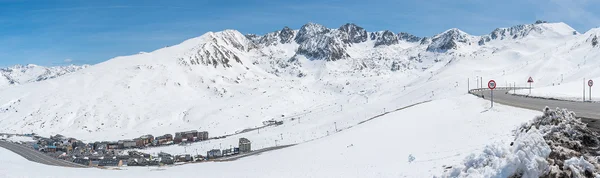
Port d'Envalira (2,408 m): Roof of the Pyrenees
Andorra