Coll de Pal and Cadí - Berguedà
Best Season
Road not maintained in winter: closed due to snow from November to May. June to October is the season.
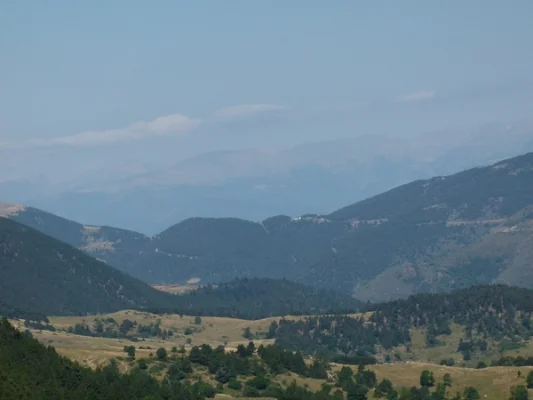
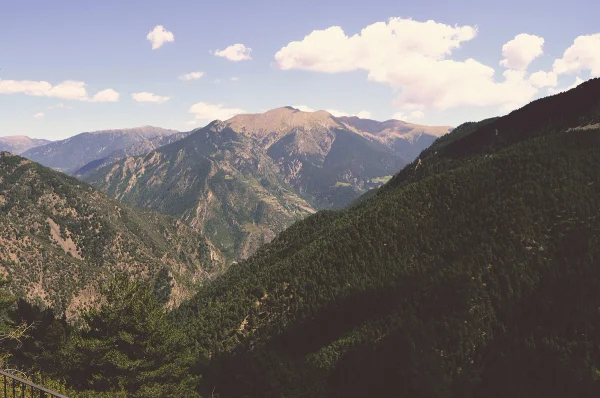
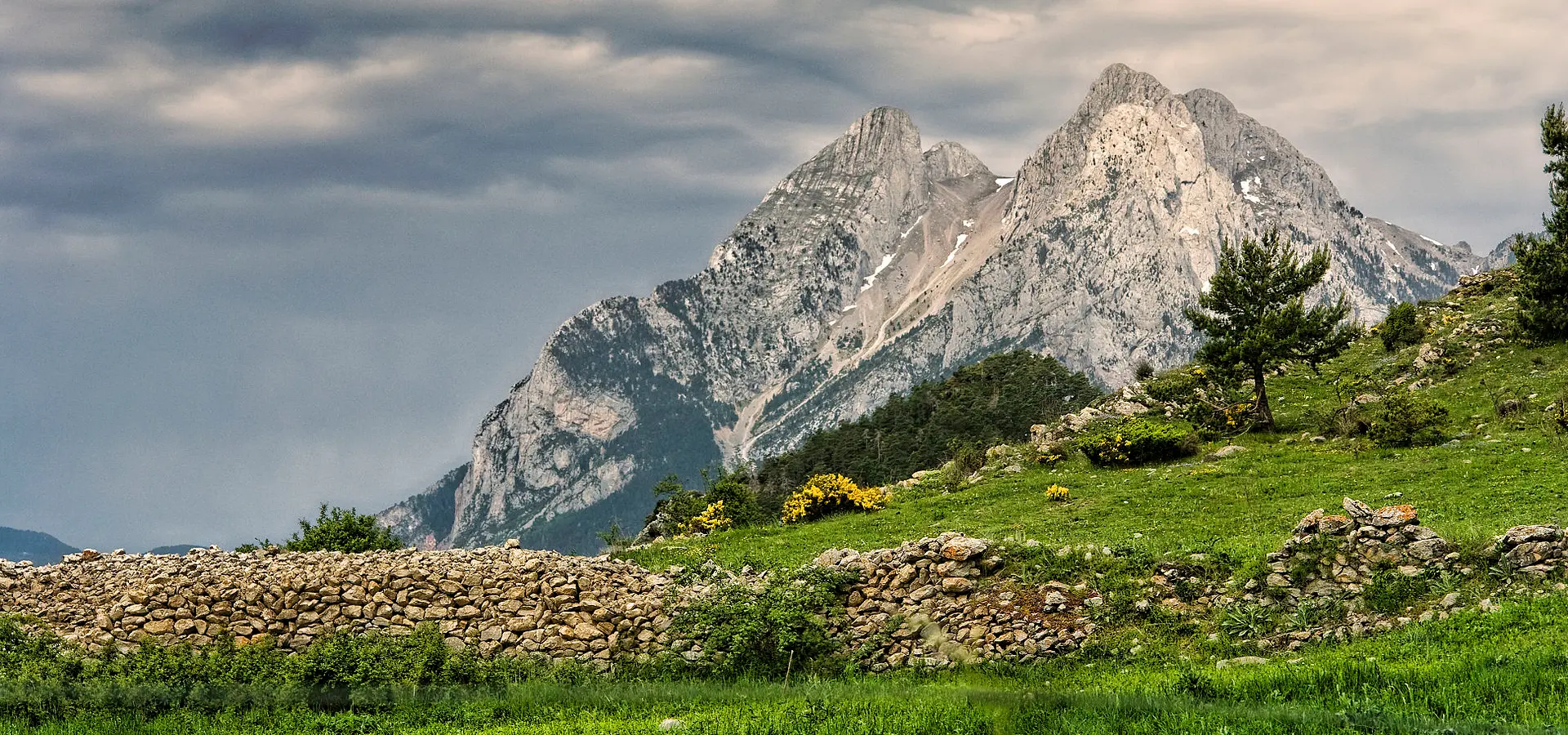
Coll de Pal (2,106 m), a spectacular balcony overlooking the Pedraforca massif. Ascent from Bagà along the BV-4024 with continuous bends and views of the Cadí-Moixeró.
Highlights
- 1Coll de Pal (2,106 m): a balcony over the Cadí
- 2Views of the Pedraforca
- 3Parc Natural Cadí-Moixeró
- 4Villages of the Berguedà: Gósol and Saldes
About this route
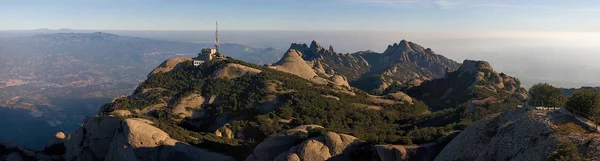
The Coll de Pal (2,106 m) is one of the highest paved passes in Catalunya and yet one of the least known outside local biker circles. It lies in the north of the Berguedà, right at the foot of the Cadí-Moixeró —a spectacular limestone range that separates the Pyrenees from the Catalan pre-Pyrenees— and its road (the BV-4024) is practically a dead-end leading only to the pass itself and a small ski station. Far from being a drawback, this is the best thing about the route: zero traffic, zero services, and the feeling of riding through a Pyrenees that very few people truly know.
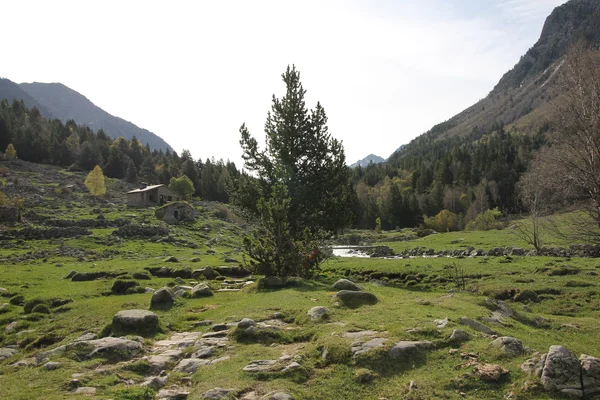
The climb from Bagà is one of the longest in all of Spain: 22 km of continuous ascent without a single flat kilometer, with a cumulative elevation gain of more than 1,500 m. To put it in perspective, it is comparable in difficulty to Asturias's Alto de l'Angliru, famous from the stages of the Vuelta. The road is narrow, technical and absolutely spectacular: it crosses beech and fir forests, traverses alpine meadows and ends in an open hollow at the foot of the Pedraforca, one of Catalunya's most emblematic mountains. The asphalt is generally well maintained but the rider must take care: there can be loose animals here, meltwater, and in autumn plenty of wet leaves that compromise grip.
The Pedraforca (2,506 m) deserves a special mention. Its unmistakable silhouette —two twin peaks separated by a central col, forming a perfect "stone pitchfork"— is the visual icon of the Berguedà and one of the most recognizable symbols of Catalan mountaineering. The first documented ascent of the Pedraforca dates from 1697 and since then it has been the stage for some of the most legendary feats of Catalan alpinism. From the Coll de Pal you can see the massif's north face in all its rawness, a view no biker easily forgets.
To round out the route, the logical thing is to descend from the Coll de Pal on the other side towards Gósol and Saldes, two villages of the Alt Berguedà tucked at the foot of the Pedraforca. Gósol, in particular, has a charming historical detail: in the summer of 1906, a young Pablo Picasso took refuge here for several weeks with his partner Fernande Olivier to escape the heat of Barcelona. The paintings and drawings he made during that stay —several of them of landscapes and villagers— mark a turning point in his artistic evolution, and art historians consider the "Gósol period" as the immediate prelude to Cubism. There is a small museum in the village dedicated to this stay.
Biker practicalities: the Coll de Pal is closed from November to May due to snow, and the road receives no winter maintenance. The biking season runs strictly from June to October. It's best to set out early: by mid-morning cyclists usually appear (climbing the Coll de Pal is a classic challenge of Catalan cycling) and you should ride patiently. Fill up to the max in Berga before climbing: in the Alt Berguedà gas stations are scarce and closed on Sundays. For eating, in Gósol the Mesón Cal Francisco serves oven-roasted lamb and local beans like few other places. If you have extra time, don't miss a visit to the ruins of the Castell de Gósol, at the top of the village, with immense views over the Pedraforca.
Route stops
Bagà
Village
Medieval village at the base of Coll de Pal.
Coll de Pal
Viewpoint
Mountain pass at 2,106 m with views of Cadí and Pedraforca.
Gósol
Village
Village at the foot of Pedraforca.
Practical information
Weather
Road not maintained in winter: closed due to snow from November to May. June to October is the season.
Traffic
Very low traffic. Some cyclists and hikers.
Fuel stops
Petrol stations in Berga and Bagà. No services at altitude.
Where to stay on this route
The towns this route passes through — useful for splitting it into stages or sleeping near the start. Book ahead in high season.
- BagàSee places to stay
- GósolSee places to stay
- BergaSee places to stay
Affiliate links: if you book through them, Nomadiq earns a small commission at no extra cost to you.