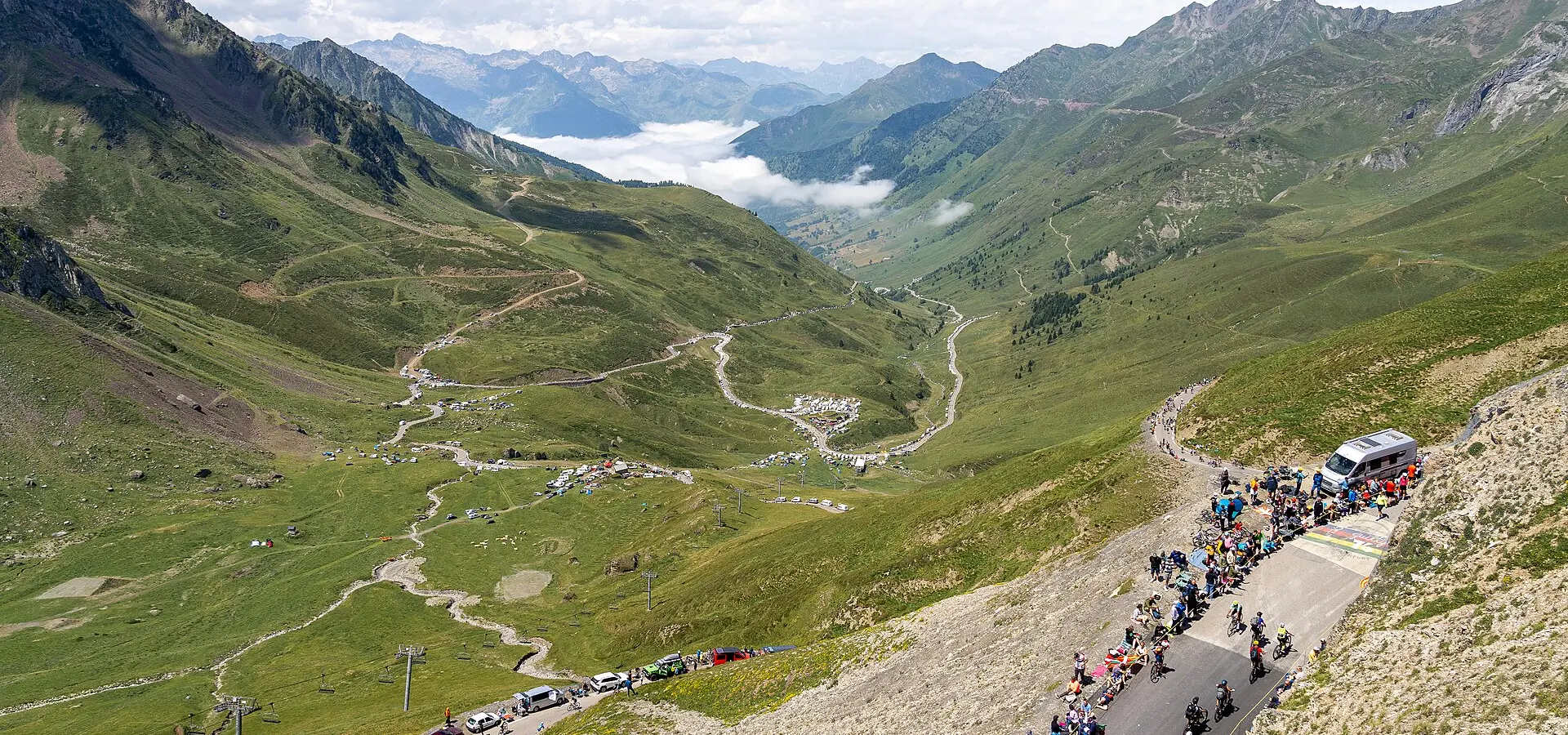
Col du Tourmalet and Luz-Saint-Sauveur
Best Season
Harbour closed from November to May. Frequent afternoon thunderstorms in July-August. Best mornings from June to October.
The Col du Tourmalet (2,115 m), the most legendary pass of the Tour de France, with its legendary climb from Luz-Saint-Sauveur. Technical bends, perfect tarmac and first-class Alpine scenery.
Highlights
- 1Col du Tourmalet (2,115 m): the most mythical pass in Tour de France history
- 2Luz-Saint-Sauveur: Napoleonic thermal baths and Templar church
- 3Pic du Midi de Bigorre: 360° panorama of the Pyrenees (detour)
- 4D918: perfect tarmac and technical curves over 19 km
About this route
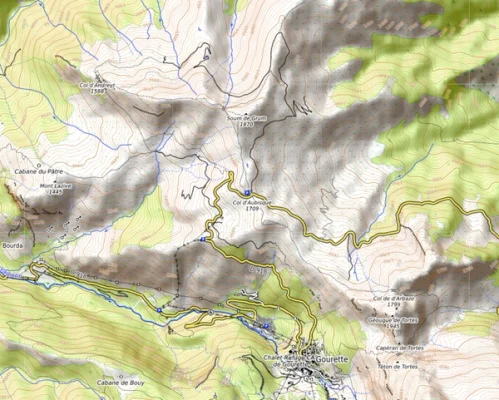
The Tourmalet is not just a mountain pass: it is probably the most legendary name in the history of world cycling, and by extension one of the most symbolic passes in European motorcycling. It has featured in more than 80 editions of the Tour de France since 1910, has seen every great champion ride over it — from Fausto Coppi and Eddy Merckx to Miguel Induráin and Tadej Pogačar — and its ascent from Luz-Saint-Sauveur via the D918 is a compulsory pilgrimage for any two-wheel enthusiast. The road climbing up to the Tourmalet was originally a mule track that Napoleonic engineers widened in the 19th century to allow artillery to pass through, and you can still see the original retaining walls in some sections today.
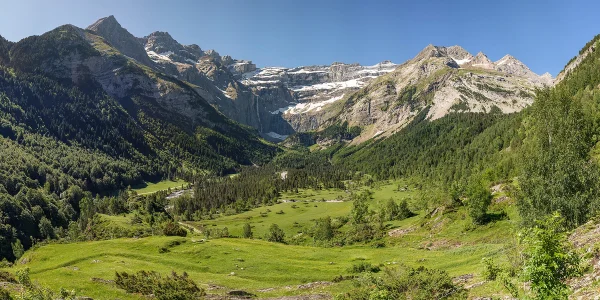
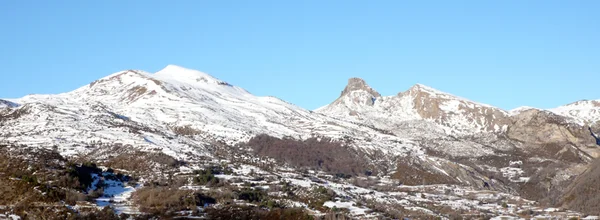
The climb from Luz-Saint-Sauveur is the classic side: 19 km of continuous ascent with an average gradient of 7.4%, but with isolated ramps that exceed 10% in the final kilometres before the summit. The tarmac is excellent (the French obsessively maintain their cycling passes), the bends are wide and technical, and the landscape changes radically every kilometre: first dense forests of beech and fir, then alpine meadows, then mountain scrub, and finally the bare summit zone with views of the Néouvielle and Vignemale massifs. At the top stands a statue of the 'Géant du Tourmalet', a bronze cyclist that has become the visual icon of the pass.
Luz-Saint-Sauveur, the base of the climb, is a Pyrenean thermal gem that has been drawing visitors since the 18th century. Napoleon III and Empress Eugénie came here every summer to take the sulphurous waters, and the village's architecture preserves that 19th-century elegance: stone hotels with wrought-iron balconies, a Belle Époque casino and a 12th-century Templar church with intact Romanesque murals. The thermal baths still operate today and are perfect for relaxing tired muscles after a day of mountain riding.
To complete the circular route, the logical move is to descend the Tourmalet on the other side towards La Mongie and Campan, and return to Luz via the Col d'Aspin (1,489 m) or through the Adour valley. The descent towards La Mongie is gentler than the climb and offers spectacular views of the glacial cirque on the north face. If you still have energy, the detour up to the Pic du Midi de Bigorre (2,877 m, reached by cable car from La Mongie) offers one of the widest panoramas in the entire range: on clear days you can see the Pyrenees from end to end.
Rider's practical notes: the Tourmalet is normally open from mid-June to late October, depending on snow. Watch out for cyclists, especially in July (Tour de France) and August: there are hundreds of them and overtaking requires patience. Refuel in Luz-Saint-Sauveur or Bagnères-de-Bigorre. For food, in Luz the Restaurant Le Montaigu serves authentic Pyrenean cuisine (garbure, axoa, confit de canard) at reasonable prices by French standards. One tip: climb at dawn. The light of the first sun on the Tourmalet summit, with valley mists still hanging at mid-altitude, is one of the most powerful experiences a rider can have in the Pyrenees.
Route stops
Barèges
Village
Thermal village at the foot of the Tourmalet.
Col du Tourmalet
Viewpoint
Pass at 2,115 m, an icon of world cycling.
La Mongie / Pic du Midi
Viewpoint
Ski resort and cable car to the Pic du Midi.
Practical information
Weather
Harbour closed from November to May. Frequent afternoon thunderstorms in July-August. Best mornings from June to October.
Traffic
Lots of cyclists in summer, especially July. Moderate the rest. Better on weekdays.
Fuel stops
Petrol stations in Luz-Saint-Sauveur, La Mongie and Bagnères-de-Bigorre.
Where to stay on this route
The towns this route passes through — useful for splitting it into stages or sleeping near the start. Book ahead in high season.
- BarègesSee places to stay
- Luz-Saint-SauveurSee places to stay
Affiliate links: if you book through them, Nomadiq earns a small commission at no extra cost to you.