Col de Peyresourde and Bagnères-de-Luchon
Best Season
Port open May-November. Luchon accessible all year round.
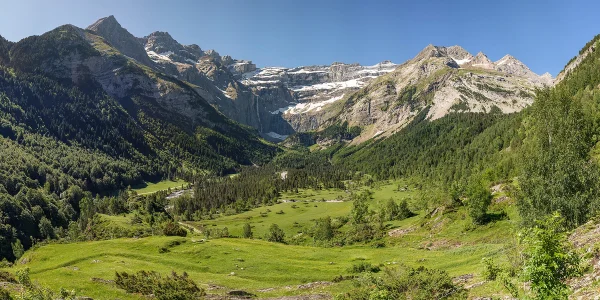
The Col de Peyresourde (1,569 m), a Tour classic, links up with Bagnères-de-Luchon, the "Queen of the Pyrenees". Roman baths, bends and the connection with the Spanish Val d'Aran via the Portillón.
Highlights
- 1Bagnères-de-Luchon: "Queen of the Pyrenees", Roman baths
- 2Col de Peyresourde (1,569 m): a Tour de France classic
- 3Col du Portillon: gateway to the Spanish Val d'Aran
- 4Louron Valley: Romanesque churches and authenticity
About this route
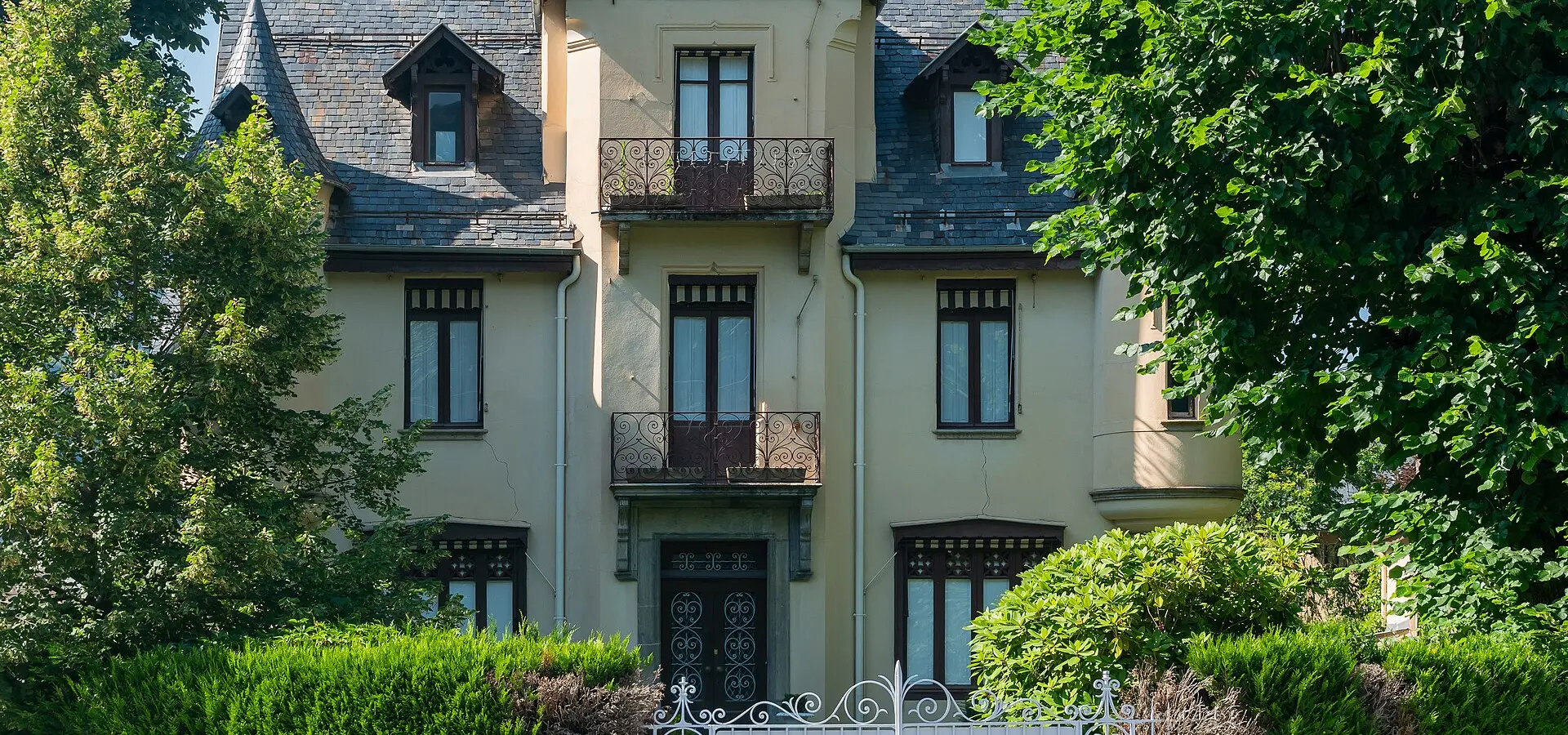
Bagnères-de-Luchon, known simply as "Luchon" to the locals, has held the title of "Queen of the Pyrenees" since the 19th century, earned through its thermal elegance, its privileged location at the foot of the highest peaks in the range, and the sophistication of its belle-époque architecture. The baths of Luchon are the oldest in the French Pyrenees: they were already known and used by the Romans, who called them "Ilixo", and remains of the original 1st-century AD Roman thermal pool are still preserved in the basement of the current building. During the 19th century, Luchon was the favorite destination of French and European aristocracy, and the architecture of the town center preserves that grandeur: casino, landscaped promenade, five-story hotels with wrought-iron balconies.
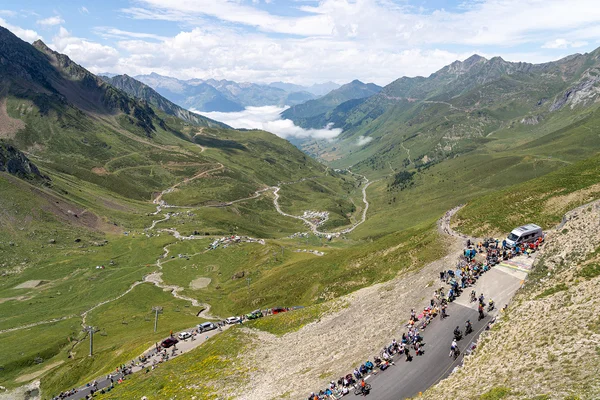
The Col de Peyresourde (1,569 m) is the pass connecting Luchon with the Louron Valley to the west. The climb from Luchon via the D618 is one of the most elegant in the Pyrenees: wide curves, perfect asphalt, a moderate gradient (6% average), and constant views of the snow-capped peaks of the Maladeta massif to the south. At the top, the panorama opens westward, with the Louron Valley at your feet and, on clear days, the silhouette of the Néouvielle massif in the distance. The Peyresourde has featured in more than 60 editions of the Tour de France and is one of those "accumulation" passes the peloton dreads the most: not especially difficult on its own, but placed at the end of a long stage it can be devastating.
The most interesting feature of this route for the Spanish rider is the proximity of the Val d'Aran: from Luchon you can cross into Spain via the Col du Portillon (1,293 m, the lowest border crossing in the central Pyrenees) and be in Vielha in less than 30 minutes. This makes it possible to combine a French Pyrenean route with a lunch stop in the Val d'Aran, which for many riders from northeastern Spain is the perfect long-weekend plan.
The Louron Valley, on the other side of the Peyresourde, is another of the secrets of the central French Pyrenees. Smaller and less touristy than the neighboring Aure and Luchon valleys, it preserves an authenticity that many Pyrenean valleys have lost: little stone villages with 12th-century Romanesque churches, alpine meadows where summer transhumance is still practiced, and nearly empty back roads. The D618 between the Peyresourde and Arreau is probably one of the most enjoyable descents in the Pyrenees: just technical enough, perfect asphalt, sweeping views of the valley.
Rider's notes: the Peyresourde normally opens in May and closes in November. Refuel in Luchon or Arreau. For lunch, in Luchon the Hôtel d'Étigny serves traditional Gascon cuisine in a spectacular belle-époque dining room. A tip: if you cross into the Val d'Aran via the Portillon, stop for lunch at Era Mòla in Vielha — top-notch Aranese cooking with views over the town and reasonable prices.
Route stops
Col de Peyresourde
Viewpoint
Pass at 1,569 m, a classic of the Tour.
Arreau
Village
Medieval village at the confluence of valleys.
Col du Portillon
Viewpoint
Border with the Val d'Aran.
Practical information
Weather
Port open May-November. Luchon accessible all year round.
Traffic
Moderate traffic in summer. Low the rest of the year.
Fuel stops
Petrol stations in Luchon, Arreau and Vielha (Spain).
Where to stay on this route
The towns this route passes through — useful for splitting it into stages or sleeping near the start. Book ahead in high season.
- ArreauSee places to stay
- Bagnères-de-LuchonSee places to stay
Affiliate links: if you book through them, Nomadiq earns a small commission at no extra cost to you.