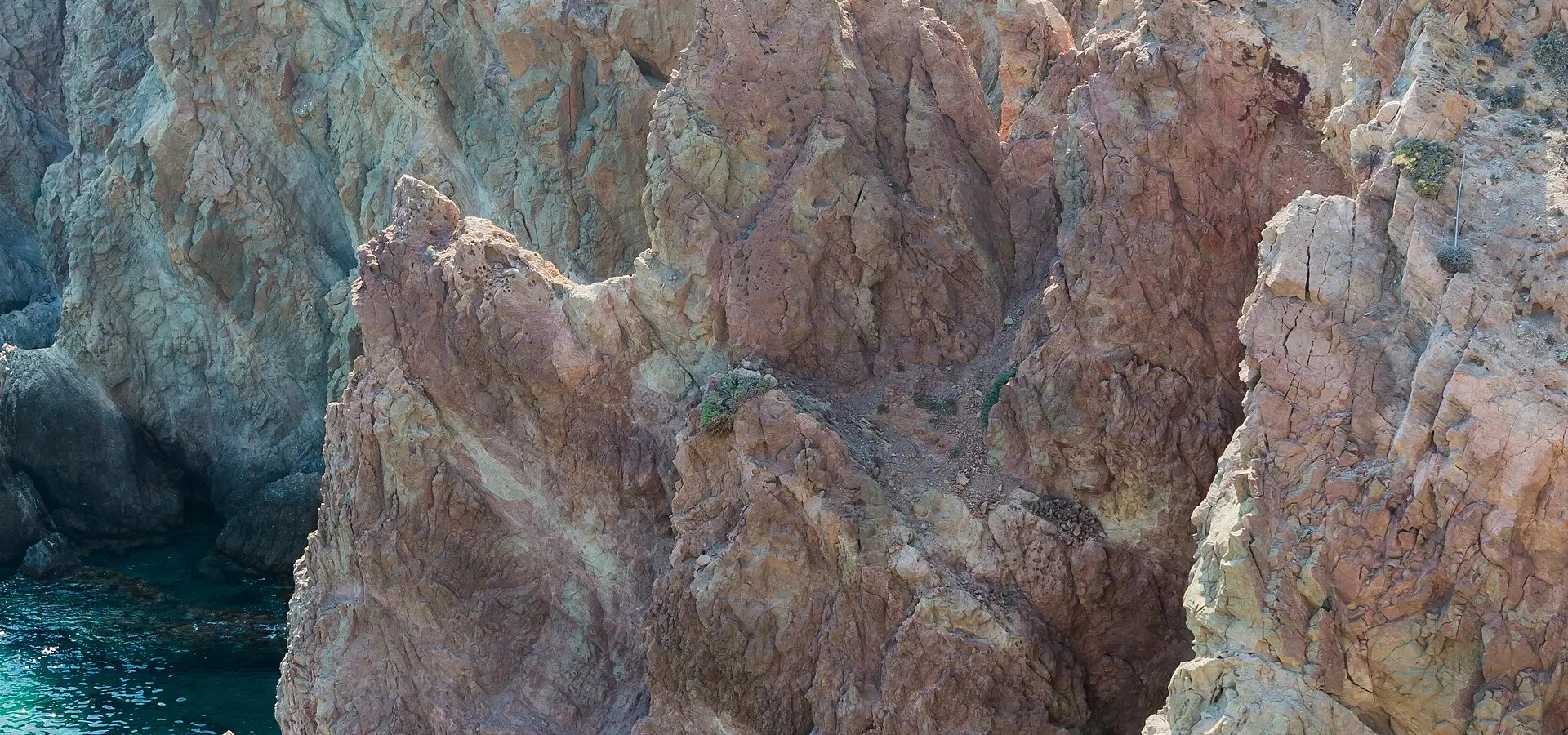
Cabo de Gata: desert and sea
Best Season
Excellent all year round. Hot summer and very touristic.
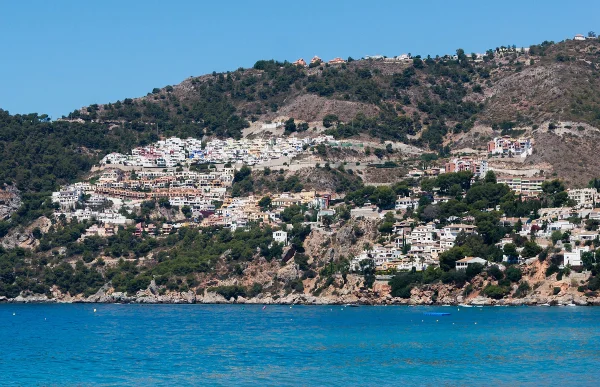
The Cabo de Gata Natural Park is the most unique corner of the Spanish coast: semi-desert volcanic landscape, unspoilt beaches and white villages.
Highlights
- 1Faro del Cabo de Gata
- 2Beaches of Mónsul and los Genoveses
- 3Fishing villages of Las Negras and Agua Amarga
- 4Unique volcanic landscape
About this route
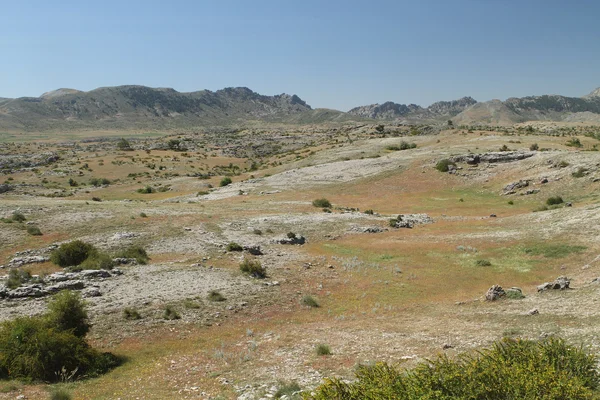
Cabo de Gata is probably the most singular corner of the entire Spanish coast and, paradoxically, one of the least understood. People who come looking for "just another beach" do not get what they are doing there, and those who come expecting a nature reserve are surprised to find a landscape that looks like Mars. The key lies in the geology: Cabo de Gata is the only significant volcanic zone on the entire continental Iberian Peninsula. Between 16 and 6 million years ago, this was a belt of submarine volcanoes analogous to today's Aeolian Islands in Italy, and the whole cape is what remains of that activity. Hence the reddish hues, the columnar formations, the perfect cones and, above all, that American desert feel that has made the cape a regular filming location for westerns since the 1960s.
To that geological rarity add a climatic one: Cabo de Gata is the driest point in continental Europe, with average annual rainfall below 200 mm. It practically never rains here, and when it does, it comes in torrential autumn downpours lasting hours. That extreme aridity has produced unique vegetation: prickly pears, agaves, dwarf fan palms and, above all, spectacular formations of Ziziphus lotus — the jujube — a plant that is nearly extinct across the rest of the Mediterranean but here forms rounded vegetable hillocks like islands in a sea of dust.
By motorbike, the classic route starts from Almería along the N-332 towards Cabo de Gata village and the salt flats. These salt flats are one of the most important wetlands in the western Mediterranean: thousands of flamingos stop here on their migratory route, and seeing them in vivid pink against the blue backdrop of the salt pans is one of those sights that makes the trip worthwhile. Further on, the road turns technical — narrow, with tight bends and plenty of elevation change — until you reach the Faro del Cabo de Gata, standing on the cliffs where millions of years ago the volcano hurled lava into the sea.
San José is the logical base for exploring the cape. From the village, tracks lead to the most spectacular beaches: Mónsul, with its dunes and rounded rocks polished by the sea, where Spielberg filmed the famous horseback chase scene from "Indiana Jones and the Last Crusade"; and los Genoveses, the largest cove and possibly the most beautiful, with a kilometre and a half of golden sand without a single building in sight. Note: the tracks to the beaches are restricted in summer and it is worth checking the current regulations; on a motorbike you can park closer than in a car.
A veteran's tip for the cape: forget about coming in July and August. The heat is brutal, every beach is packed and the desert charm evaporates. The magical months are March, April, October and November, when there is pleasant sunshine at 22–25°C, no wind (or just enough to keep things fresh), and the beaches are yours. In winter, the almond trees are also in bloom throughout the interior — a surreal vision of white blossoms against red volcanic rock. And one last thing: try the "tortilla del Cabo" at one of the roadside ventas in the area, made with white beans and potatoes. It is not what you expect, but you end up ordering seconds.
Route stops
San José
Village
Main coastal town of the park.
Faro del Cabo de Gata
Viewpoint
Iconic lighthouse at the end of the headland.
Agua Amarga
Village
White fishing village.
Practical information
Weather
Excellent all year round. Hot summer and very touristic.
Traffic
Moderate traffic. A lot of tourism in August.
Fuel stops
Petrol stations in Almería, San José and Níjar.
Where to stay on this route
The towns this route passes through — useful for splitting it into stages or sleeping near the start. Book ahead in high season.
- San JoséSee places to stay
- Agua AmargaSee places to stay
- AlmeriaSee places to stay
Affiliate links: if you book through them, Nomadiq earns a small commission at no extra cost to you.