Arribes del Duero
Best Season
Hot summer. Better in spring and autumn.
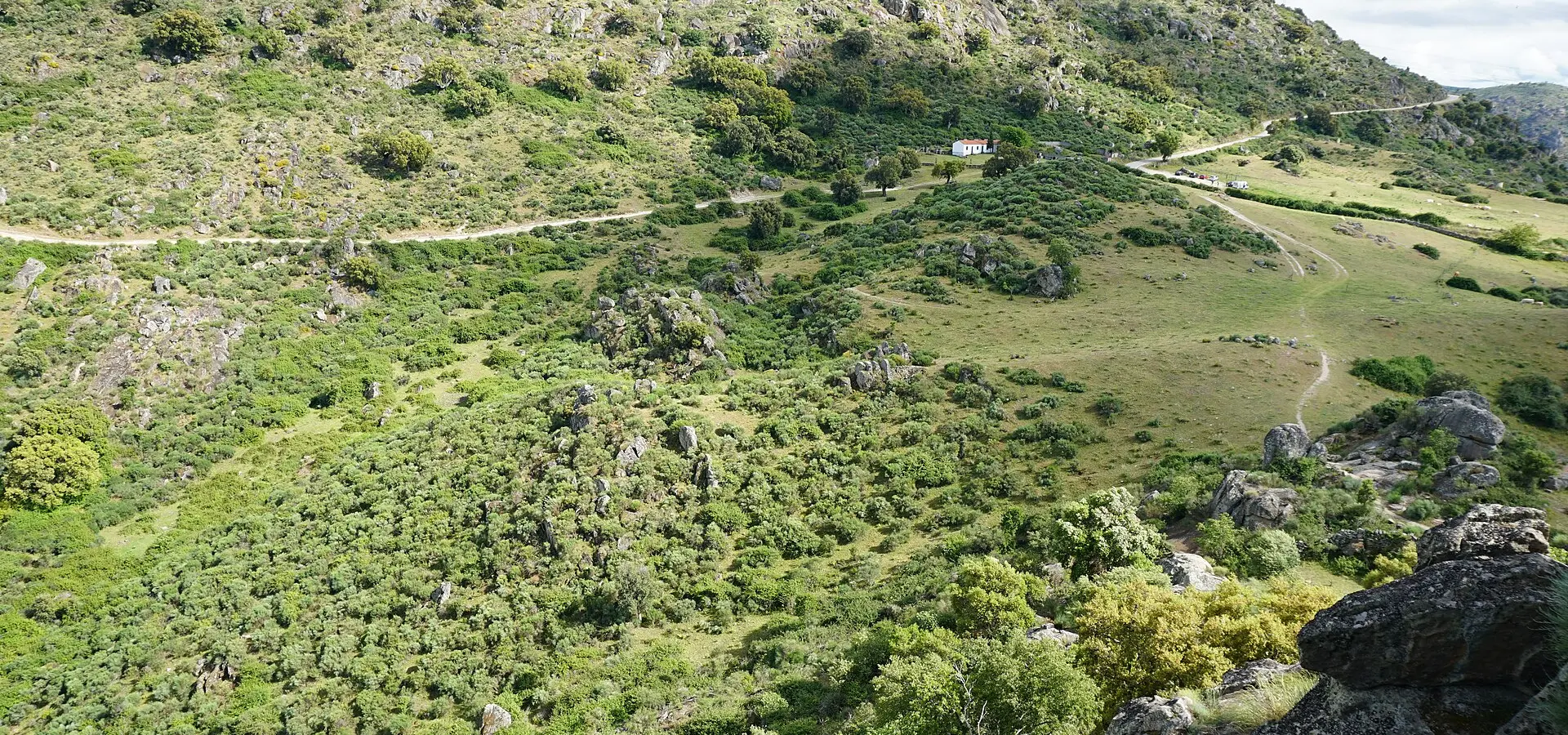
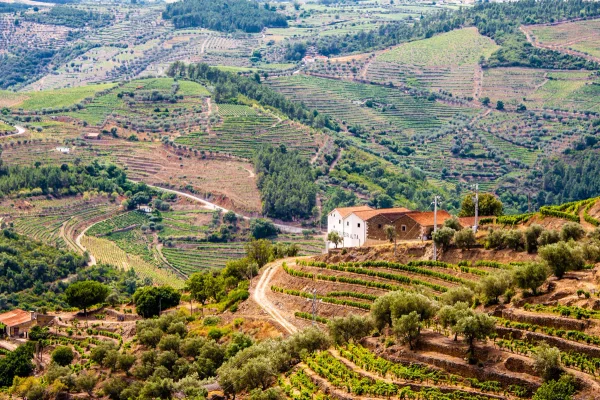
The Arribes del Duero form a natural border with Portugal of canyons up to 400 m high. Lonely roads between spectacular viewpoints and forgotten villages.
Highlights
- 1Arribes del Duero Natural Park
- 2Mirador del Fraile and Aldeadávila dam
- 3Natural border with Portugal
- 4Empty roads through a depopulated area
About this route
The Arribes del Duero are one of the most spectacular yet least known corners of the western peninsula. They form one of Europe's most impressive natural borders: the River Duero, which for 122 km marks the boundary between Spain and Portugal, has carved over millions of years a river canyon up to 400 metres deep through a massif of granite and slate. The result is a landscape reminiscent of the great American canyons in miniature — sheer vertical walls, natural viewpoints, deeply incised tributary valleys, and an abundance of wildlife, especially raptors, exceptional for modern Western Europe.
The density of birds of prey in the Arribes is probably the highest in all of Spain, comparable only to certain spots in Extremadura or Andalucía. More than 1,000 breeding pairs of black stork nest here — one of the most important concentrations on the continent — along with griffon vultures, Egyptian vultures, golden eagles, Bonelli's eagles, peregrine falcons, and occasionally even the extremely rare bearded vulture. The reason lies in the combination of vertical cliff faces (providing inaccessible nesting sites), constant thermal currents (allowing effortless soaring), and abundant prey in the surrounding dehesas. Virtually any viewpoint in the Arribes offers a near-certain chance of watching several raptors gliding overhead.
The Mirador del Fraile, perched directly above the Aldeadávila dam, is probably the most spectacular balcony along the entire canyon. The dam itself is a landmark of 20th-century Spanish hydraulic engineering: at 140 m tall with its curved double-arch wall, it was one of the largest and most advanced in Europe when it was built in the 1950s. The reservoir it creates holds more than 100 million cubic metres of water and supplies half of Spain with electricity. Below the dam, the canyon continues for dozens of kilometres more, with tributary valleys where Mediterranean vegetation mingles with Atlantic elements to form a unique ecological mosaic.
What gives the Arribes their cultural identity are the traditional villages of the area: Hinojosa de Duero, Saucelle, Vilvestre, Aldeadávila de la Ribera, Mieza, Pereña... Tiny settlements — some with fewer than 100 year-round inhabitants — all built from the same local granite, all perched on the canyon rim in strategic positions that allowed them to watch over the border for centuries. The traditional architecture is remarkably uniform: low houses with red tile roofs, enclosed interior courtyards, small windows to shield against the extreme summer heat and winter cold. This area also produces some of the most interesting extra-virgin olive oils in Castilla y León.
Practical tips for riders: the roads through the Arribes are single-lane in each direction, with generally good tarmac, no traffic — perfect for a relaxed ride with frequent viewpoint stops. The ideal season is spring and autumn (in summer the heat in the canyon is brutal). Fill up in Vitigudino or Lumbrales before heading into the area, as there are only two or three petrol stations inside with irregular opening hours. For dining, Mesón La Cigüeña Negra in Aldeadávila serves oven-roasted kid and local olive oils on a terrace overlooking the canyon. And a tip: if you go in spring (April–May), do not miss a river cruise on the Duero from the Vega Terrón jetty — two hours sailing through the canyon with vultures gliding overhead is a one-of-a-kind experience.
Route stops
Aldeadávila de la Ribera
Viewpoint
Viewpoint over the Duero canyon.
Hinojosa de Duero
Village
Village of the Arribes.
Practical information
Weather
Hot summer. Better in spring and autumn.
Traffic
Zero traffic. One of the emptiest areas in Spain.
Fuel stops
Petrol stations in Lumbrales and Vitigudino.
Where to stay on this route
The towns this route passes through — useful for splitting it into stages or sleeping near the start. Book ahead in high season.
- Hinojosa de DueroSee places to stay
- VitigudinoSee places to stay
Affiliate links: if you book through them, Nomadiq earns a small commission at no extra cost to you.
Related routes
Sierra de Francia and La Alberca
Castile and Leon
Las Hurdes and Sierra de Gata: Spain's Most Remote Corner
Extremadura
Jerte Valley and La Vera: Cherry Blossoms and Yuste Monastery
Extremadura
Douro Valley: Port Wine and Terraces
Portugal