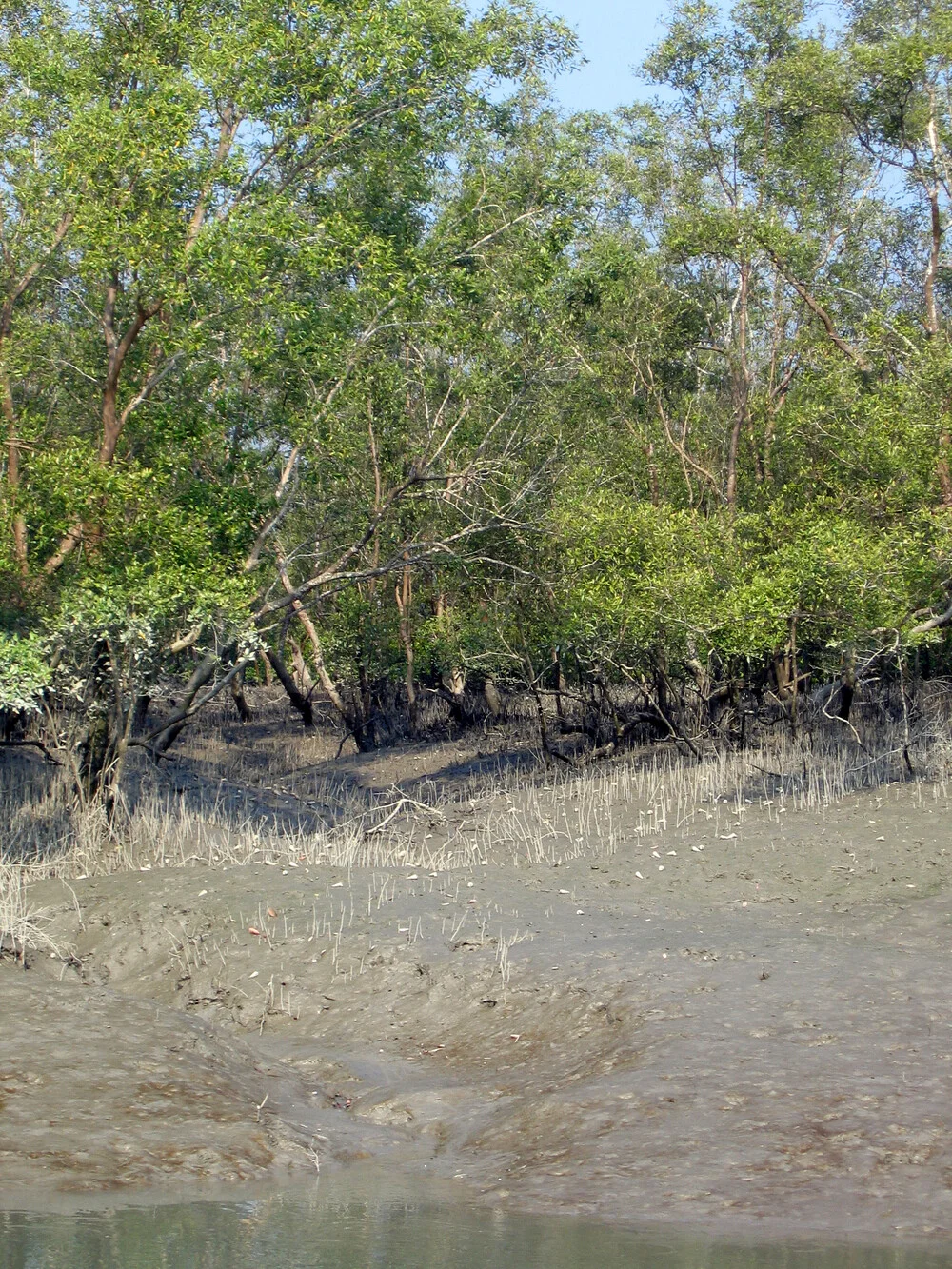
The Sundarbans
Bangladesh / India ·
Description
In the Ganges Delta, where the sacred river meets the Bay of Bengal, the Sundarbans display 10,000 km² of mangroves and islands that no map can fully represent. This labyrinth of channels is the only place where tigers regularly swim, adapted to hunting deer on islands and fish in the water. Honey collectors risk their lives among the big cats while saltwater crocodiles patrol the channels.
Why It's a World Heritage Site
The Sundarbans constitute the world's largest mangrove ecosystem, protecting the largest Bengal tiger population and numerous endangered species. The delta documents the complex geomorphological and ecological processes of the land-sea transition.
UNESCO Criteria
Frequently Asked Questions
It's difficult but possible. Tigers are shy and dense mangroves make sightings challenging. Multi-day boat excursions increase odds. Seeing tracks is more common than seeing tigers.
From Kolkata (India) or Khulna (Bangladesh), 1-3 day boat tours navigate the channels. Permits are mandatory and entry is only possible with authorized operators.
Bangladesh has more protected area and fewer tourists. India has better tourist infrastructure. Both sides have tigers and similar ecosystems.
October-March is dry season with better visibility. Monsoons (June-September) make tours difficult or impossible.
With authorized operators and following safety rules, risks are minimal. Never disembark except in designated areas — tigers attack humans.