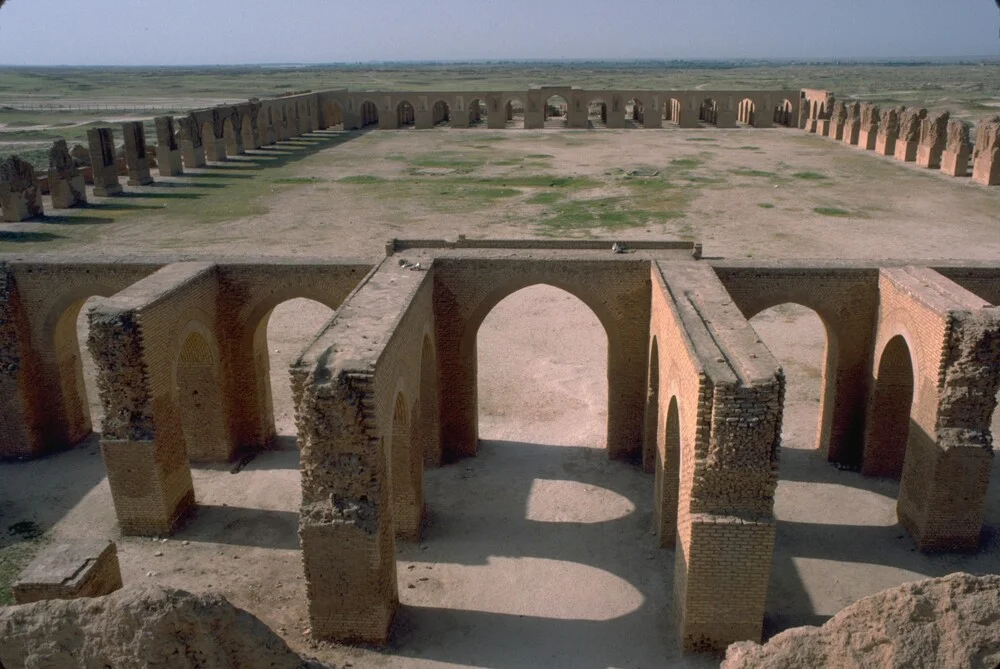
Samarra Archaeological City
Iraq ·
Description
When Baghdad became too small, Caliph Al-Mutasim founded Samarra in 836 as the new capital of the world's most powerful caliphate. At its peak, 1.5 million people inhabited a city 35 km long. The Malwiya, a 52-meter spiral minaret inspired by Mesopotamian ziggurats, dominates the landscape alongside the Great Mosque, the largest of its time. The city was abandoned just 56 years later, preserving Abbasid architecture intact.
Why It's a World Heritage Site
Samarra is the only surviving example of a great medieval Islamic capital that maintained its original plan and architecture without later development. The site exceptionally documents Abbasid period architecture, art, and urbanism at its creative peak.
UNESCO Criteria
Frequently Asked Questions
Samarra has been a conflict zone. Security varies significantly. Check official travel advisories before planning any visit and consider traveling only with specialized operators.
When security conditions allow, yes. The exterior spiral ramp allows climbing all 52 meters with views over the Tigris and city remains.
The Great Mosque (roofless but impressive), Balkuwara Palace, Abu Dulaf Mosque with another spiral minaret, and kilometers of partial excavations.
Tourist facilities are very limited. Most visitors come as day trips from Baghdad (130 km) when conditions permit.
Later caliphs returned to Baghdad and Samarra lost its function. Without population or maintenance, the mud-brick city was abandoned to the elements.